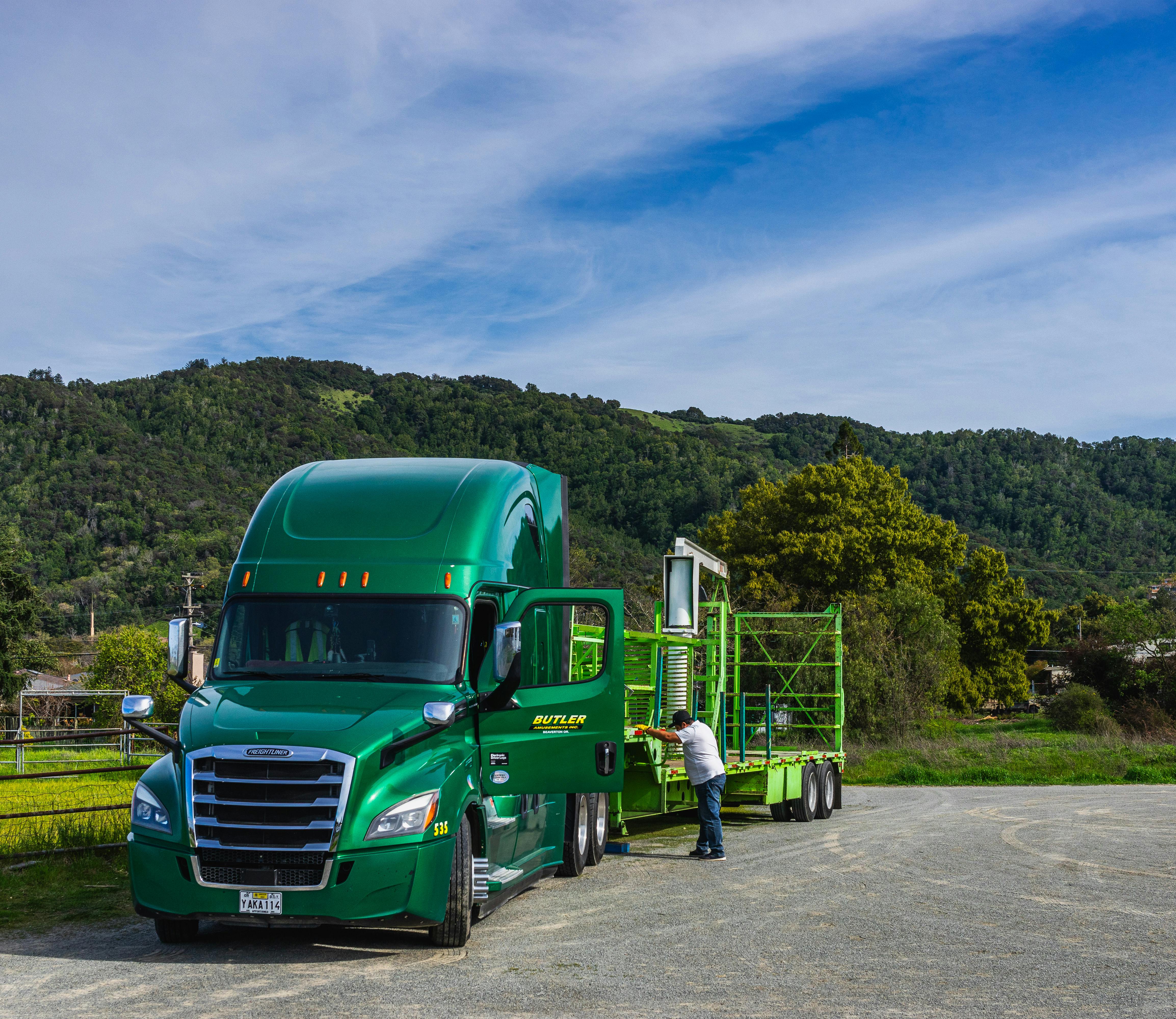

Many fleet managers hesitate to adopt tracking technology because of common myths. They worry that batteries need constant charging or that the devices are only useful after a theft has already occurred. The reality is that modern technology has made these concerns a thing of the past. A high-quality battery powered gps tracker for trailer can last for years on a single set of batteries and provides powerful proactive tools like geofencing and instant movement alerts. This article will debunk the myths and give you the facts, showing you how these reliable and low-maintenance devices provide pinpoint accuracy and a full suite of management features.
Key Takeaways
- Prioritize proactive security, not just recovery: The best trailer trackers help prevent theft before it happens by using features like geofencing and instant motion alerts, giving you the power to act immediately.
- Balance battery life with your operational needs: A tracker's performance depends on its location update frequency and operating conditions, so look for smart sleep modes to ensure long-term tracking without constant maintenance.
- Evaluate the software, not just the hardware: A durable tracker is essential, but an intuitive software platform and mobile app are what transform location data into valuable insights for managing your entire fleet.
Choosing the right battery-powered GPS tracker for your trailers
Selecting the right battery-powered GPS tracker for your trailers is a big decision. These devices are your first line of defense in protecting valuable assets, so it’s important to find one that fits your operational needs. With so many options available, it helps to focus on a few key areas to make sure you get a reliable and effective solution. Think about what you need most: is it long-term monitoring for trailers that sit for weeks, or real-time updates for assets constantly on the move?
The first thing to consider is battery life. A tracker with a long-lasting battery gives you peace of mind, knowing your asset is protected without needing constant maintenance or battery swaps. This is especially important for trailers that may be left at job sites or in storage yards for extended periods. Next, look at the device's durability. Your trailers are exposed to everything from heavy rain to extreme heat, so you need a tracker that is rugged and weather-resistant. A tough, waterproof casing ensures your device will keep transmitting data no matter the conditions.
Beyond the hardware, the tracking capabilities and the software platform are what truly make a difference. A top-tier solution will offer more than just a dot on a map. Look for features like real-time location updates, instant motion alerts, and the ability to set up geofences. These tools allow you to proactively manage your asset management and respond immediately if a trailer moves unexpectedly.
Finally, consider how the tracker integrates with your overall operations. The best systems provide an intuitive software platform and a mobile app that gives you access to location history, reports, and alerts from anywhere. A comprehensive fleet tracking solution allows you to see your trailers alongside your vehicles, giving you a complete picture of your entire fleet. Balancing these factors will help you find a tracker that not only secures your trailers but also supports your business goals.
What is a battery-powered trailer GPS tracker?
A battery-powered trailer GPS tracker is a small, tough, wireless device designed for trailers and other equipment that doesn't have its own power source. Think of it as a self-sufficient security guard for your most valuable unpowered assets. Because they are completely wireless, these trackers can be installed discreetly on almost any piece of equipment, from flatbeds and dry vans to containers and construction machinery. Their primary purpose is to prevent theft and help you recover stolen items quickly, which is a major concern for any fleet manager.
For any business that relies on trailers, losing one isn't just an inconvenience; it's a significant disruption that affects schedules, customer commitments, and your bottom line. These assets are often left unattended for long periods, making them easy targets. A dedicated asset management solution gives you the visibility you need to protect these critical tools of your trade. By placing a reliable tracker on your trailer, you always know where it is, giving you peace of mind whether it's on the road, at a job site, or parked in a remote lot. This technology transforms your unpowered equipment from a liability into a secure, trackable part of your operation.
How do battery-powered trackers work?
These trackers operate using their own internal batteries, sending location data to your computer or mobile app through a cellular network. A key feature is their ability to send instant alerts if your trailer moves unexpectedly. This function, sometimes called a "movement alert," acts as a virtual fence. If the asset is moved without authorization, you get a notification immediately, allowing you to take action. This proactive approach is crucial for theft recovery.
Since they aren't connected to a vehicle's electrical system, battery life is a major design focus. Many modern trackers are incredibly efficient, with some models lasting for years on a single set of batteries. This long-term performance makes them a low-maintenance and highly reliable solution for monitoring assets over extended periods.
Comparing wired and battery-powered trackers
When choosing a GPS tracker, you have two main options: battery-powered models or those wired directly into your trailer's power system. Battery-powered trackers offer unmatched flexibility. You can install them in minutes without any complex wiring, making them perfect for assets without a built-in power source or for situations where you need to move trackers between different trailers.
On the other hand, a wired tracker draws continuous power from the trailer's electrical system. This eliminates the need to ever change batteries, which can be a great advantage for trailers that are constantly in use and have a reliable power source. The right choice depends entirely on your specific needs, the type of trailer you're tracking, and how it's used in your daily operations.
Key features of a trailer GPS tracker
When you start looking at battery-powered GPS trackers, you’ll quickly see that the features can vary quite a bit. The best solutions go beyond simply showing a dot on a map. They offer a suite of tools designed to protect your assets, streamline your operations, and give you peace of mind. Think of it as the difference between a simple locator beacon and a comprehensive security and management system. A powerful tracker integrates seamlessly into your daily workflow, providing actionable information that helps you make smarter decisions.
The goal is to find a device that delivers reliable data when you need it most. This means looking for features that actively monitor your trailers and alert you to potential issues before they become major problems. From real-time location services that help you optimize routes to instant alerts that can stop a theft in progress, every feature should serve a clear purpose. A robust tracker is also built to last, capable of withstanding the harsh conditions your trailers face on the road and at job sites. Finally, all this powerful technology should be easy to access and manage, ideally through a user-friendly platform and mobile app. Let’s look at the essential features that make a trailer GPS tracker a truly valuable tool for your fleet.
Pinpoint location with real-time tracking
The most fundamental feature of any GPS tracker is its ability to tell you where your assets are. With real-time fleet tracking, you can see your trailer's exact location at any moment, typically through a web-based platform or a mobile app on your phone. This immediate visibility is crucial for both logistics and security. If a customer calls for an ETA, you can give them a precise answer. If you need to dispatch the nearest trailer to a new job, you can do so with confidence. In the unfortunate event of a theft, having a live location feed dramatically increases the chances of a quick recovery, allowing you to coordinate effectively with law enforcement.
Set up geofences and instant alerts
Geofencing is one of the most powerful features for asset protection. It allows you to create virtual boundaries around specific locations, like your yard, a job site, or a storage facility. The tracking system then monitors your trailer’s position relative to these zones. As one provider notes, you can get alerts if your trailer leaves a certain area. If a trailer is moved outside of its designated geofence or during non-working hours, the system instantly sends you an alert via text or email. This proactive monitoring means you’re the first to know about unauthorized movement, turning your asset management system into a powerful theft deterrent.
Ensure durability and weather resistance
Trailers and the equipment on them are constantly exposed to the elements. They endure rain, snow, extreme heat, dust, and vibrations from the road. A GPS tracker designed for trailers must be tough enough to handle these conditions without failing. Look for devices that are described as rugged and waterproof, often with an IP68 rating. This rating means the device is fully protected against dust and can be submerged in water for a period of time. A durable, weather-resistant tracker ensures you receive consistent, reliable data, no matter where your trailer is or what conditions it’s facing. This is especially important for valuable equipment management.
Access data history on a mobile app
While real-time data is essential, having access to historical location data is just as important for managing your fleet effectively. A good tracking solution will store this information and make it easily accessible through a mobile app. You can review past routes to verify service calls, analyze trailer utilization to identify underused assets, or investigate any discrepancies in billing or timelines. Furthermore, a smart system also monitors itself. For instance, the system can tell you when the tracker’s batteries are getting low, giving you plenty of notice to replace them. The Azuga Fleet Mobile App puts all this information, from live tracking to device health, right at your fingertips.
Understanding battery life in GPS trackers
When you're managing a fleet of trailers, the last thing you want to worry about is a dead battery on your tracker. Understanding how battery life works is key to choosing a device that fits your operational needs without creating extra maintenance headaches. The lifespan of a battery-powered tracker isn't a single number; it’s a range that depends on several important factors, from how you use the device to the environment it operates in. By getting familiar with these variables, you can make a much more informed decision and find a solution that provides reliable tracking without constant upkeep.
What affects battery performance?
The battery life advertised for a GPS tracker is often based on ideal conditions, so it's important to know what can affect its real-world performance. The single biggest factor is the "ping rate," or how often the device reports its location. A tracker set to update every few minutes will use significantly more power than one that checks in once a day. Extreme temperatures, both hot and cold, can also strain a battery and reduce its lifespan. Additionally, if a trailer is stored in an area with poor cellular or GPS signal, the tracker will use more energy trying to connect. Some advanced trackers can last for years on a single set of batteries by intelligently managing these factors, so it's worth asking about the technology behind the asset management solution you're considering.
Active tracking vs. sleep mode
Most battery-powered trackers operate in different modes to conserve energy. "Active tracking" is when the device is sending frequent location updates, giving you a real-time view of your trailer's journey. This mode is essential when an asset is on the move but is also the most power-intensive. To counteract this, trackers use a "sleep mode." When the trailer is stationary for a set period, the device enters a low-power state, waking up only to send occasional check-ins or if it detects movement. This smart switching between modes is what allows a battery to last for months or even years. A good fleet tracking platform will let you customize these settings, balancing your need for real-time data with the goal of extending battery life.
Considering hardwiring for continuous power
If your trailers have their own power source (like those with refrigeration units or auxiliary batteries), a hardwired tracker is an excellent alternative to a battery-only device. Hardwiring connects the tracker directly to the trailer's electrical system, providing a continuous and reliable source of power. This completely eliminates the need to monitor or replace batteries, reducing maintenance tasks for your team. It’s a true "set it and forget it" approach that ensures your tracker is always on and reporting. This is an ideal solution for any powered assets in your fleet, simplifying your overall equipment management strategy and giving you one less thing to worry about.
What to look for in a top-tier tracking solution
When you're choosing a GPS tracker, it's about more than just the hardware. A top-tier solution is a complete system designed to make your job easier and protect your assets. The best providers offer a combination of robust hardware, intuitive software, and the flexibility to grow with your business. Look for a partner that understands the challenges of managing a fleet and provides tools that solve real-world problems, from preventing theft to streamlining daily operations.
A focus on asset protection and recovery
Your trailers and the equipment they carry are valuable, and your tracking solution should protect them. The primary goal is to prevent theft and enable quick recovery if it happens. A quality system provides precise, real-time location data so you always know where your trailers are. Look for instant alerts that notify you of unauthorized movement. This proactive approach means you can manage your assets effectively and react immediately to potential threats. A reliable tracker gives you peace of mind, knowing your equipment is secure whether it's on the road or parked at a job site.
Seamless software and mobile app integration
A durable tracker is only as good as its software. A top-tier solution comes with a user-friendly platform that you can access from anywhere. You should be able to see your trailer's location, review its history, and manage alerts with just a few clicks. A dedicated fleet mobile app is essential for on-the-go management, allowing you to check on assets from a phone or tablet. The software should feel intuitive, not like something you have to fight with. This seamless integration turns raw data into actionable insights, helping you make smarter decisions.
Scalable solutions for your entire fleet
Whether you have two trailers or two hundred, your tracking solution should handle your needs without missing a beat. Scalability means the system can manage a growing fleet efficiently. A top-tier platform provides a centralized dashboard where you can see all your assets at once. As your business grows, you can easily add new trackers and manage them alongside your existing ones. This ensures that your fleet tracking capabilities expand with your operations, providing consistent visibility and control no matter the size of your fleet.
The benefits of GPS tracking for trailers
Investing in GPS trackers for your trailers goes far beyond simply knowing their location. It’s about transforming how you manage your assets, protect your investments, and streamline your operations. From preventing theft to improving your bottom line, the advantages are clear. A robust tracking system provides the data you need to make smarter decisions, secure your equipment, and keep your business running smoothly. By equipping your trailers with this technology, you gain a powerful tool for security and efficiency that works for you around the clock.
Prevent theft and recover assets faster
Trailers are valuable assets, but they are often left unattended at job sites or in yards, making them easy targets for theft. A battery-powered GPS tracker is your first line of defense. If a trailer is moved without authorization, you can receive an instant alert on your phone or computer. This immediate notification allows you to act quickly. With precise, real-time location data, you can coordinate with law enforcement to dramatically increase the chances of a swift recovery. This proactive approach to asset management turns a potential total loss into a manageable incident, saving you from replacement expenses and operational disruptions.
Gain complete visibility of your fleet
Do you know where all your trailers are right now? Without a tracking system, answering that question can involve multiple phone calls and guesswork. GPS tracking provides a single, clear view of your entire trailer fleet on one map. This complete visibility helps you verify that trailers are where they should be, improving accountability and preventing unauthorized use. It also simplifies logistics. When you need to dispatch a trailer to a new job, you can quickly identify the closest available one, reducing fuel consumption and saving time. This level of fleet tracking allows you to optimize asset utilization and keep your projects on schedule.
Improve insurance rates and reduce liability
Insurance providers look favorably on businesses that take proactive steps to mitigate risk. Implementing GPS trackers on your trailers demonstrates a serious commitment to asset security. Many insurance carriers offer reduced premiums for fleets protected by tracking technology because it lowers the likelihood of theft and increases the probability of recovery. Furthermore, detailed location history can help reduce your liability. If a dispute arises over a trailer's location or use, the data from your tracker provides a clear, time-stamped record, offering valuable evidence to protect your business. This contributes to a broader culture of driver safety and operational responsibility.
Scale tracking across fleets of any size
Whether you have two trailers or two hundred, a flexible GPS tracking solution can adapt to your needs. Modern tracking systems are designed to be scalable, allowing you to start with a few devices and easily add more as your business grows. A unified platform lets you monitor your entire fleet from a single dashboard, regardless of its size. This makes managing a growing inventory of equipment simple and efficient. You can apply the same settings, alerts, and reports across all your assets, ensuring consistent oversight as you expand. This scalability ensures your tracking solution remains a valuable tool for years to come.
Common myths about battery-powered GPS trackers
When you're looking for a tracking solution for your trailers, it's easy to get tangled in misinformation. Battery-powered GPS trackers, in particular, are often misunderstood. Let's clear the air and look at some of the most common myths. Understanding the truth behind these devices will help you make a confident and informed decision for your fleet.
"They need constant recharging"
The idea that a battery-powered tracker needs constant charging is one of the biggest myths. While battery life varies, modern devices are built for endurance. They often feature a "sleep mode" that conserves energy when a trailer is stationary, waking only when movement is detected or at pre-set intervals. Depending on how often you need location updates, a single charge can last for months or even years. This makes them a perfect "set it and forget it" solution for effective asset management without constant hands-on maintenance.
"They're only useful after a theft"
Thinking a GPS tracker is only for theft recovery misses its biggest benefits. These devices are powerful proactive tools. By setting up geofences, you get instant alerts the moment a trailer moves outside its designated area, letting you act immediately. Beyond security, this real-time visibility helps you understand how your assets are being used. You can see which trailers are sitting idle and which are on the move, helping you improve utilization. This data is a core part of a smart fleet safety and management strategy.
"They are less accurate than wired trackers"
Some people worry that "battery-powered" means less powerful, especially when it comes to accuracy. This simply isn't true. Today's battery-powered trackers use the same advanced GPS technology and reliable cellular networks as their hardwired counterparts. A high-quality device will provide pinpoint location data whether it's wired or running on its own battery. The accuracy you get depends on the quality of the hardware and the supporting software, not the power source. A robust fleet tracking system ensures you have precise location information when you need it.
"All trackers work without a subscription"
This is a common point of confusion. While you purchase the physical tracker, the device needs a way to communicate its location back to you. This is done over a cellular network, which requires an active service plan. Think of it like a cell phone; the hardware is one part, but the service plan is what allows it to connect. A subscription for your tracker covers this cellular data, access to the software platform, and mobile app features. It’s what turns a simple device into a complete asset and equipment management solution.
How to select the right tracker for your fleet
Choosing the right GPS tracker is about finding a solution that fits your operational needs. A thoughtful selection process ensures you get a reliable system that protects your assets and provides valuable insights. To make the best choice, focus on three key areas: device compatibility, signal placement, and the software platform.
Match the device to your trailer type
The first step is to choose a device designed for your specific trailer type. Whether you manage flatbeds, enclosed cargo trailers, or refrigerated units, the right tracker is engineered to meet the demands of that asset. Some devices are built with rugged casings for harsh weather, while others are more compact for discreet placement. You can also choose between battery-powered trackers for flexibility or devices wired into your trailer’s power system. The best choice depends on how you use your trailers. A comprehensive asset management solution will offer options for all your equipment.
Find the best placement for a strong signal
Proper placement is essential for optimal performance. The tracker needs a clear line of sight to the sky to receive GPS signals and a strong cellular connection to transmit data. Placing it under thick metal can block these signals, so look for a spot on the trailer that minimizes interference, like on the tongue or high on the frame. The goal is to balance a secure location with the need for a reliable signal. This ensures you receive accurate location updates and can access a full history of past travel, which is invaluable for fleet tracking and asset recovery.
Evaluate the software and support services
A GPS tracker is only as good as the software behind it. When evaluating options, look beyond the hardware. Does the provider offer a user-friendly web platform and a robust mobile app for tracking on the go? A quality solution should include regular software updates, detailed reporting, and reliable technical support. The right platform transforms raw location data into actionable insights, helping you manage your entire fleet more effectively. The Azuga Fleet mobile app, for example, gives you full control over your assets directly from your phone, making it easy to monitor your trailers from anywhere.
Start protecting your trailer fleet today
Taking proactive steps to safeguard your valuable trailers is one of the smartest decisions a fleet manager can make. Investing in a battery-powered GPS tracker is more than just a security measure; it's a foundational move toward complete operational awareness. These devices are specifically designed to prevent theft and provide real-time location updates, giving you constant peace of mind that you know where your trailers are at all times. Whether a trailer is at a job site, in your yard, or on the road, you gain the visibility needed to protect it from unauthorized use or loss, which is critical for maintaining your operational schedule and your bottom line.
A reliable tracker also provides instant movement alerts and a detailed history of past travel, which is invaluable for both management and recovery efforts. But the true benefit comes from integrating this data into a larger system. A comprehensive platform allows you to manage your assets and equipment from a single dashboard, turning simple tracking data into powerful business insights. Instead of just reacting to theft, you can monitor utilization, streamline dispatching, and ensure your assets are working for you, not sitting idle. This means you can quickly identify underused trailers and reallocate them to where they're needed most, improving overall fleet productivity. By choosing a solution with integrated features, you ensure your trailers are not only monitored but are also contributing to a more efficient operation.
Related Articles
- How GPS Trailer Tracking Can Improve Fleet Management
- How to Hardwire a GPS Tracker for Your Fleet
- Long Life Asset Tracker - Rechargeable Asset Tracker | Azuga
- GPS Fleet Tracking Software & Vehicle Tracking System | Azuga
- What is Commercial GPS Tracking? | Azuga
Frequently Asked Questions
What's the best way to manage my tracker's battery life? The key is to balance your need for frequent updates with the goal of long-term performance. Most modern tracking platforms allow you to customize the "ping rate," which is how often the device reports its location. For trailers that are stationary for long periods, you can set the tracker to check in just once or twice a day. This uses very little power and can extend the battery life for years. When the trailer starts moving, the device can automatically switch to more frequent updates.
Is it difficult to install a battery-powered tracker, and where should I put it for the best results? Not at all, and that’s one of their biggest advantages. Since they are completely wireless, installation is incredibly simple. You can typically mount them in just a few minutes using heavy-duty adhesive or screws. For the best signal, you should place the tracker in a spot with a relatively clear view of the sky, like on the trailer's tongue or high on the frame. This helps it connect to GPS satellites and cellular networks without interference from large metal surfaces.
When should I choose a battery-powered tracker instead of a wired one? A battery-powered tracker is the perfect choice for any asset that doesn't have its own power source, like most standard trailers, containers, or other unpowered equipment. They also offer great flexibility if you need to move trackers between different assets. A wired tracker is a better fit for vehicles or powered equipment (like refrigerated trailers) that have a constant electrical system to draw from, as it eliminates the need to think about battery replacement altogether.
What does the service plan for a GPS tracker typically include? Think of the service plan as what brings the tracker to life. The physical device needs a way to send its location data back to you, and it does this over a cellular network. The subscription covers that cellular data connection. It also gives you access to the software platform and mobile app where you can see your trailer's location, set up alerts, and review historical reports. Essentially, the plan provides the complete service that makes the hardware a useful management tool.
Can I see my trailers and my vehicles on the same platform? Yes, a comprehensive tracking solution will absolutely let you do this. The best platforms provide a single dashboard where you can see your entire fleet at a glance, including powered vehicles with wired trackers and unpowered trailers with battery-powered ones. This unified view is incredibly helpful for dispatching and logistics, as it allows you to see the complete picture of all your assets and make smarter operational decisions.