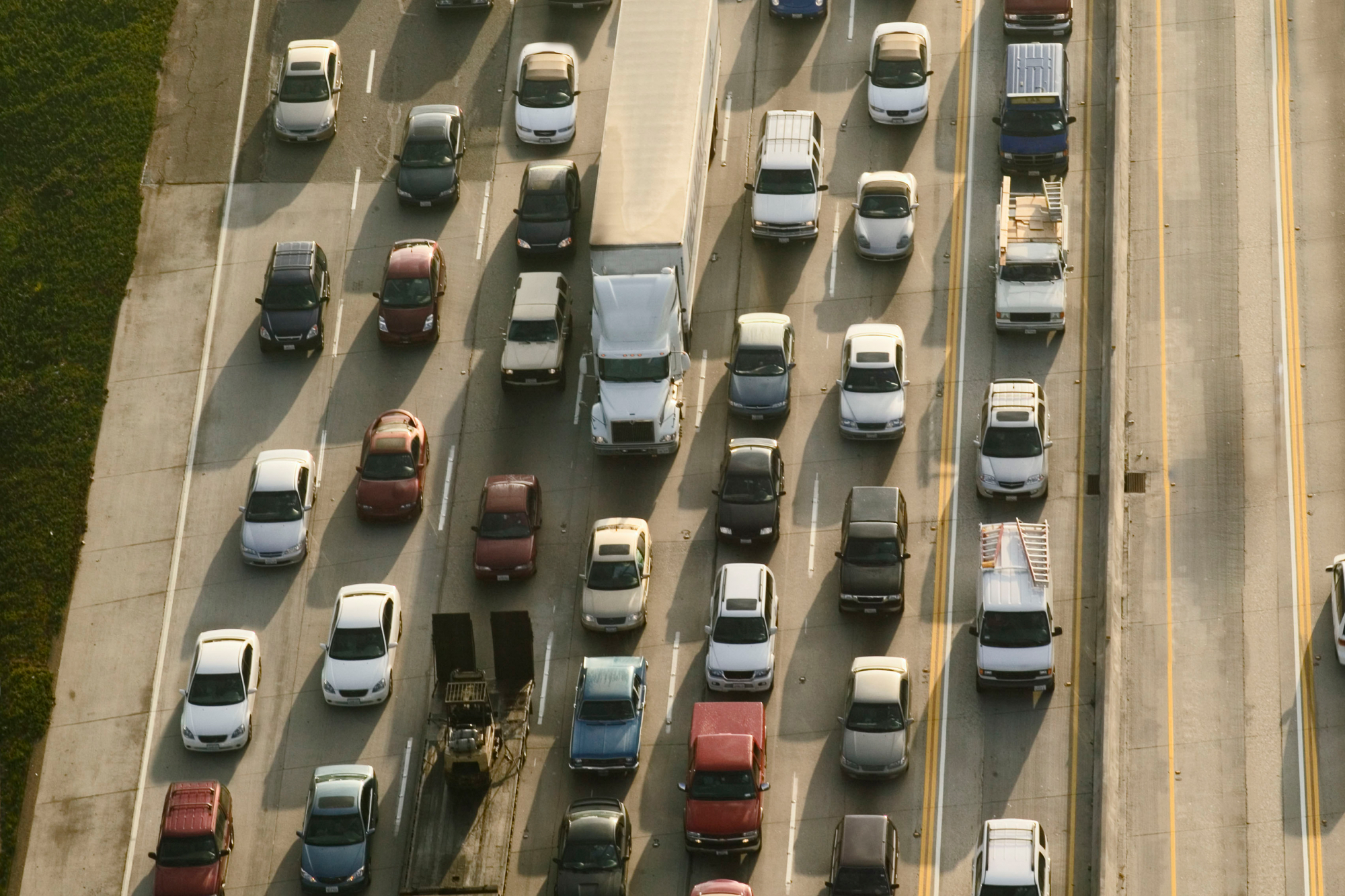
A major international soccer tournament is now underway across North America, with US matches continuing through mid-July in Los Angeles, Dallas, Atlanta, Miami, Houston, Seattle, and the New York/New Jersey area. For commercial fleets operating in or near these metros, the tournament means heavier congestion, more road closures, and higher driver risk for several weeks. This guide explains what to expect and gives you five concrete strategies to keep drivers safe and routes on schedule.
Key Takeaways
- A major international soccer tournament is driving higher traffic volumes across seven US host metros through mid-July, creating real operational and safety challenges for commercial fleets.
- Proactive route planning, real-time GPS visibility, and geofencing reduce disruptions and protect service-level performance during event surges.
- Fleets using Azuga's safety platform have reported a 38% average reduction in accidents and 57% fewer traffic citations — a meaningful safety margin when roads get this crowded.
How Do Major Sporting Events Affect Fleet Operations?
Major sporting events compress a huge amount of extra travel into a short window. Fans, media, and support workers move between airports, hotels, entertainment districts, and stadiums, and that surge lands directly on the same corridors your drivers use every day. The result is longer travel times, restricted-access zones around venues, and far more pedestrian activity than usual.
The scale is well documented. During the 2022 international soccer tournament in Qatar, more than one million visitors arrived in the host country, and researchers flagged road congestion, crashes, and traffic disruptions as primary operational risks before the tournament even began, in a resiliency assessment of road networks during the 2022 tournament. A Forbes analysis of tournament traffic across US host cities reached a similar conclusion for 2026.
The pattern isn't unique to soccer. Research on traffic crashes around the Super Bowl and studies in the Federal Highway Administration's planned special events handbook show that vehicle activity near event venues spikes sharply, driving longer travel times, more idling, and higher driver workload throughout the event period.
During the tournament, fleet operators should expect:
- Longer travel times between stops
- Higher fuel consumption from idling in congestion
- Reduced driver productivity
- Missed delivery and service windows
- More complex scheduling
- Greater exposure to roadway risk
Even small delays cascade. One missed appointment early in a route pushes back every stop behind it, hitting customer satisfaction, efficiency, and profitability at once.
Which US Cities Are Hosting Matches This Summer?
Seven US metros are hosting matches, each with a major stadium that pulls heavy traffic onto already-busy corridors. Here's what fleets in each region should watch.
Los Angeles
LA is one of the most congested metros in the country before any added demand. With SoFi Stadium sitting between LAX and the I-405/I-110 interchange, match-day traffic compounds airport and commuter volume. Fleets in the basin should expect longer travel times and shifting traffic patterns around the Inglewood corridor on match days.
Dallas
Dallas–Fort Worth is one of the nation's largest logistics hubs, so commercial vehicle volume is already high. AT&T Stadium sits on the I-30 corridor connecting the two downtowns, a route many fleets depend on daily. Expect added pressure on that corridor and the surrounding airport approaches.
Atlanta
Atlanta's I-75/I-85 Downtown Connector is a chronic bottleneck, and Mercedes-Benz Stadium sits right beside it. Layering tournament traffic onto existing commuter and freight volume will increase travel-time variability and make stop-to-stop scheduling harder.
Miami
Miami carries heavy tourism traffic year-round. Hard Rock Stadium in Miami Gardens feeds onto I-95 and the Palmetto Expressway, two of the region's busiest arteries. Fleets will need extra route flexibility to navigate congestion while holding service windows.
Houston
NRG Stadium sits inside the I-610 Loop near the Texas Medical Center, an area that already sees dense daily traffic. Match-day demand on top of medical and commuter flows can slow nearby corridors significantly.
Seattle
Lumen Field is in Seattle's SODO district, directly served by I-5 through downtown — the region's primary north-south spine and a frequent choke point. Event traffic here can ripple across the entire metro because there are few alternatives to I-5.
New York/New Jersey
MetLife Stadium in the Meadowlands draws from the NJ Turnpike, Route 3, and the Hudson River crossings into Manhattan. This is among the densest transportation environments in the country, and tournament demand will stress already-saturated approaches.
What Are the Driver Safety Risks During Heavy Congestion?
Driver safety is the most important consideration during event surges, and this is where fleet technology earns its keep. Organizations using Azuga's safety platform have reported a 38% average reduction in accidents and 57% fewer traffic citations — exactly the margin that matters when roads are this crowded. You can see how the program works on the Azuga fleet safety platform. Four risks rise during congestion:
Distracted driving. Crowded roads force drivers to process more information and react more often. Navigation changes, heavy pedestrian activity, and unfamiliar event traffic all pull attention away from the road.
Driver fatigue. Longer travel times mean more hours behind the wheel. Extended exposure to stop-and-go traffic contributes to fatigue, which slows reaction time and degrades decision-making.
Increased collision exposure. The longer a vehicle is on the road, the more chances for an incident. Heavy traffic multiplies sudden braking, lane changes, and merge conflicts — the situations that cause most crashes.
Schedule pressure. When delays pile up, drivers feel pressure to make up time. Without planning and dispatch support, that pressure turns into speeding and aggressive driving that raise fleet risk.
Five Strategies Fleets Can Use During Major Sporting Events
1. Optimize routes before congestion peaks
Build alternative routes in advance rather than reacting on match day. Route planning and optimization tools let dispatchers find efficient paths, model expected traffic, and pre-stage detours around venue zones so drivers aren't improvising in gridlock.
2. Monitor traffic in real time
Traffic patterns shift fast during events. Real-time GPS fleet tracking shows vehicle locations live, so managers can spot delays as they form, reroute drivers around closures, and make informed calls throughout the day instead of after the fact.
3. Reinforce driver safety coaching
Event conditions demand sharper awareness. Safety coaching backed by telematics and driver-behavior monitoring reinforces defensive driving, speed management, following distance, and distraction prevention — and the data shows where each driver needs the most support. The Azuga fleet safety platform ties coaching directly to observed behavior.
4. Use geofencing around high-traffic areas
Set geofences around stadiums, airports, and entertainment districts. Managers get alerts when vehicles enter or exit these zones, gaining clear visibility into how event traffic is affecting operations and where to redirect resources.
5. Improve dispatch-to-driver communication
Fast, clear communication keeps drivers safe and informed. Timely updates on closures, route changes, and schedule shifts cut confusion and prevent the risky improvising that happens when drivers are left to figure out detours alone.
Why Real-Time Fleet Visibility Matters During Major Events
Visibility matters most when conditions are unpredictable — and tournament traffic is the definition of unpredictable. Closures appear with little notice, visitor movement surges around match times, and event traffic reshapes familiar routes day to day.
With real-time GPS fleet tracking, route performance data, and driver activity insights, fleet managers can:
- Identify delays earlier
- Make faster, better dispatch decisions
- Support driver safety initiatives
- Improve route efficiency
- Maintain service reliability
These capabilities keep fleets productive while lowering risk during the busiest stretches of the tournament.
How Azuga Supports Fleet Safety and Efficiency
Preparing for an event of this scale takes more than a plan — it takes the ability to see vehicles, support drivers, and respond as conditions change. Azuga's platform combines GPS fleet tracking, telematics, route optimization, geofencing, and driver safety tools so managers keep operational control when traffic is at its worst.
By surfacing real-time vehicle and driver-performance data, Azuga helps fleets make informed decisions, improve safety outcomes, and protect efficiency throughout the tournament. Learn more on the Azuga GPS fleet tracking page.
Conclusion
A major international soccer tournament is putting sustained traffic pressure on seven US metros through mid-July. The fleets that come through it best are the ones that plan routes ahead, watch traffic in real time, and back their drivers with coaching and clear communication. June is also National Safety Month — a fitting moment to evaluate the strategies and technology that improve both safety and efficiency.
Ready to Improve Fleet Safety and Visibility?
Contact Azuga today to see how GPS fleet tracking, telematics, route optimization, and driver safety tools can help your fleet navigate event traffic and operate more efficiently.
Frequently Asked Questions
Which US cities are hosting matches this summer?
Seven US metros are hosting matches: Los Angeles (SoFi Stadium), Dallas (AT&T Stadium), Atlanta (Mercedes-Benz Stadium), Miami (Hard Rock Stadium), Houston (NRG Stadium), Seattle (Lumen Field), and the New York/New Jersey area (MetLife Stadium).
How can fleets prepare for major sporting event traffic?
Optimize and pre-stage alternate routes before match days, monitor traffic in real time with GPS tracking, reinforce driver safety coaching, set geofences around venues and airports, and tighten dispatch-to-driver communication.
Does fleet safety technology reduce accidents in heavy traffic?
Yes. Organizations using Azuga's safety platform have reported a 38% average reduction in accidents and 57% fewer traffic citations, which is especially valuable during high-congestion periods like a major tournament.
What are the biggest driver safety risks during major sporting events?
The main risks are distracted driving from crowded conditions, fatigue from longer time behind the wheel, higher collision exposure from extended road time, and unsafe driving caused by schedule pressure when delays accumulate.
How long will event traffic affect US cities?
US host cities will see elevated traffic throughout the tournament, which runs through mid-July 2026, with the heaviest impact concentrated around match days near each stadium