


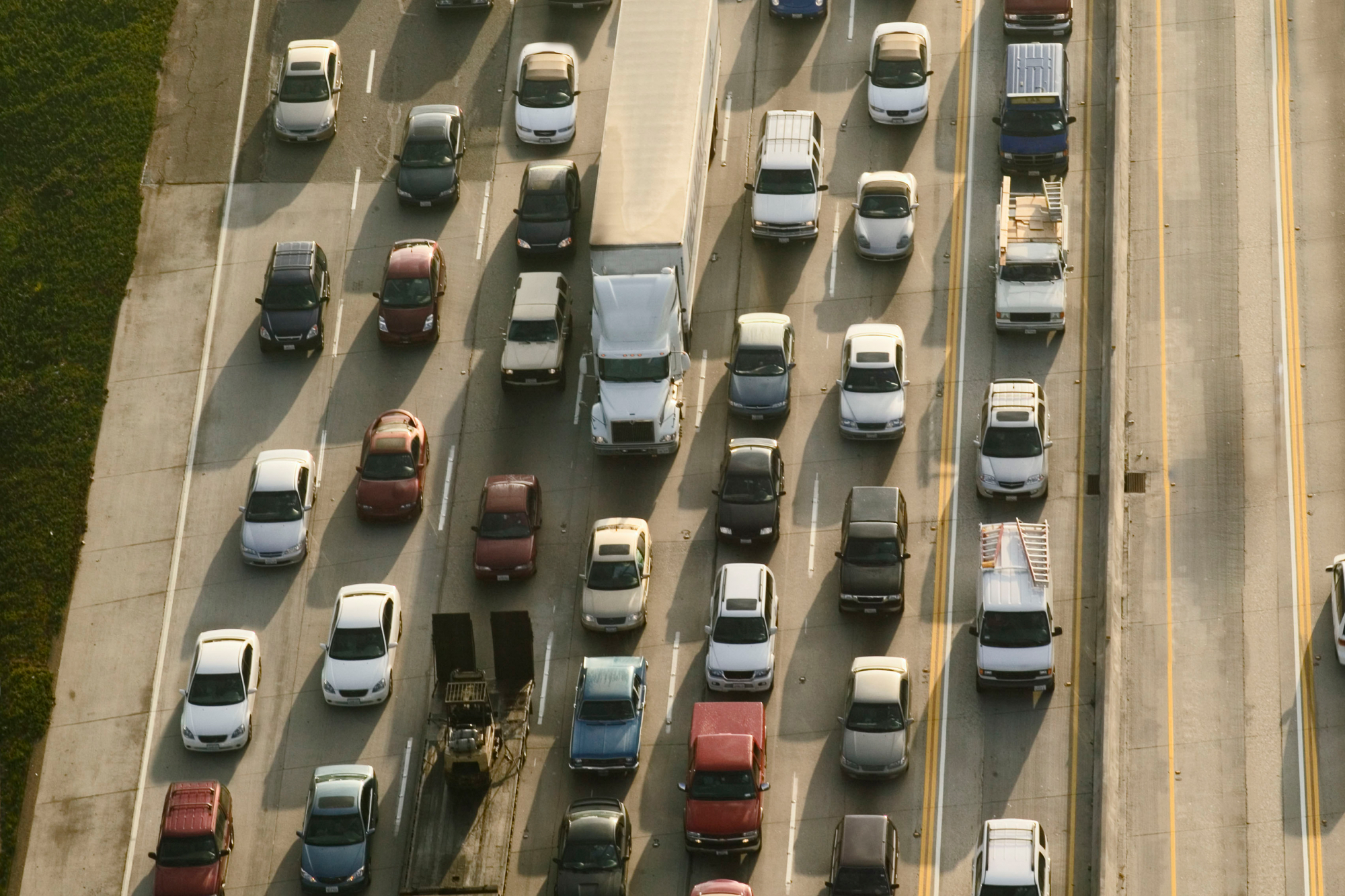

Major events raise fleet fuel costs by creating congestion, stop-and-go traffic, road closures, and extended idling that force vehicles to burn more fuel while completing less work. The good news: most of this waste is operational, not just a function of fuel prices, which means it can be measured and reduced with the right visibility into idle time, routing, and driver behavior.
Fuel is one of the largest controllable expenses for commercial fleets. Yet during major sporting events, concerts, festivals, and other large public gatherings, many fleet operators unknowingly spend thousands of dollars more on fuel than necessary.
Most fleet managers associate major events with traffic congestion and delayed deliveries. What often goes unnoticed is the direct impact these disruptions have on fuel consumption. Longer travel times, excessive idling, stop-and-go traffic, and route inefficiencies can significantly increase operating costs across an entire fleet. According to the Federal Highway Administration (FHWA), traffic congestion reduces transportation efficiency and creates conditions that increase fuel consumption and operating costs. For fleets running dozens, hundreds, or even thousands of vehicles, those inefficiencies quickly compound into substantial expenses.
The challenge is that fuel waste is rarely caused by a single event. Instead, it accumulates through hundreds of small inefficiencies occurring throughout the day. This article explains how major events increase fleet fuel costs, why those costs are so hard to identify, and what fleet managers can do to improve fuel efficiency while protecting productivity.
Why Do Major Events Increase Fleet Fuel Costs?
Large events dramatically alter normal traffic patterns. Whether it's a championship game, music festival, convention, or citywide celebration, thousands of additional vehicles enter the road network over a short period of time. As traffic volume climbs, fleets commonly experience:
- Extended travel times
- Stop-and-go traffic
- Temporary road closures
- Increased pedestrian activity
- Last-minute detours
- Congested venue corridors
- Reduced route predictability
These conditions create an environment where vehicles spend more time consuming fuel while accomplishing less work. A delivery vehicle that normally completes 15 stops in a shift may only finish 12 or 13 due to congestion. The vehicle burns fuel all day, but productivity drops, creating a hidden cost problem: the fleet consumes more fuel while generating less operational output.
Over time, these inefficiencies erode fuel spend, cost per mile, vehicle utilization, labor costs, and customer service performance. For fleets operating in metropolitan areas, even a single large event can create ripple effects that extend well beyond the immediate venue.
The Hidden Cost of Vehicle Idling
One of the most overlooked contributors to fuel waste during major events is idling. When traffic slows to a crawl, vehicles spend more time sitting still while their engines keep running. According to FHWA idle-reduction guidance, heavy-duty trucks can consume roughly one gallon of diesel fuel per hour while idling.
That may seem insignificant for one vehicle. But consider a fleet of 100 vehicles. If each one spends an additional 30 minutes idling due to event-related congestion, the cumulative fuel impact becomes substantial over the course of a week or month.
The financial impact extends well beyond fuel. Excessive idling also contributes to increased engine wear, higher maintenance costs, reduced equipment lifespan, additional emissions, and lower overall fleet efficiency. Unfortunately, many fleets don't actively monitor idle time, making it difficult to pinpoint where fuel is being wasted. Without visibility into idle behavior, organizations often assume rising fuel costs are driven solely by fuel prices rather than operational inefficiencies.
Why Stop-and-Go Traffic Consumes More Fuel
Fuel efficiency depends heavily on maintaining consistent vehicle speeds, and major events create the exact opposite environment. Drivers are forced to repeatedly accelerate, brake, stop, merge, and reroute. Each cycle places additional demand on the vehicle and increases fuel consumption. FHWA freight research has consistently shown that congestion reduces transportation efficiency because vehicles operate less effectively under stop-and-go conditions.
For commercial fleets, the impact can be especially pronounced because vehicles are often heavier, delivery schedules are time-sensitive, routes involve multiple stops, and drivers operate throughout the highest-traffic periods. As the National Academies' Transportation Research Board notes in its report Reducing Fuel Consumption in Medium- and Heavy-Duty Vehicles, vehicle weight and duty cycle have an outsized effect on real-world fuel economy, which is exactly why congestion hits commercial fleets harder than passenger vehicles. The result is lower fuel economy and higher operating costs across the fleet.
How Congestion Impacts Fleet Productivity
Fuel waste is only part of the story. The broader cost of congestion shows up in how efficiently fleets operate, and the U.S. Department of Transportation has documented how surface-transportation congestion imposes significant economic costs on freight and commercial operations.
Reduced Productivity
Every minute spent sitting in traffic is time that can't be spent completing deliveries, servicing customers, or generating revenue. Longer travel times often translate into fewer completed jobs, lower route efficiency, reduced revenue per vehicle, and missed service windows.
Increased Overtime Costs
When routes take longer to complete, labor costs climb. Drivers may need overtime to finish scheduled work, adding expenses beyond fuel.
Lower Asset Utilization
Fleet assets generate value when they're moving efficiently and completing work. Congestion reduces vehicle productivity and lowers the return on your fleet investment.
Increased Cost Per Mile
When fuel consumption rises and productivity falls at the same time, overall cost per mile increases, which can meaningfully erode profitability for organizations running large fleets.
Why Fuel Waste Is Often Invisible
Most fleet managers track fuel expenses. Far fewer track the operational behaviors causing those expenses, and that gap is the core problem. A fleet may notice rising fuel costs without understanding whether they stem from congestion, excessive idling, route inefficiencies, driver behavior, or vehicle performance issues.
Without detailed operational data, identifying the root cause becomes difficult, so many organizations focus on fuel prices while overlooking the behaviors that actually drive consumption. The fleets that successfully reduce fuel costs are usually the ones that gain visibility into the factors driving it. Understanding how vehicles are being used is the first step toward improving efficiency.
Fuel Waste During Major Events Is a Business Problem, Not Just a Traffic Problem
Many organizations treat event-related congestion as an unavoidable inconvenience. In reality, the fuel waste it causes is an operational issue that can usually be managed. Organizations that proactively monitor fleet activity can identify opportunities to reduce idle time, improve route planning, sharpen dispatch decisions, increase driver awareness, and minimize unnecessary mileage.
These improvements don't just lower fuel costs, they also improve productivity and customer service. Major events may be unavoidable. Fuel waste is not.
Five Ways Fleets Can Reduce Fuel Waste During Major Events
Traffic disruptions may be unavoidable, but fuel waste doesn't have to be. The most efficient fleets focus on visibility, planning, and proactive decision-making, using data to identify inefficiencies before they become expensive problems.
1. Monitor Vehicles in Real Time
You can't manage what you can't see. Real-time GPS fleet tracking provides immediate visibility into vehicle locations, route progress, and traffic conditions, allowing dispatchers to spot congestion before it significantly impacts operations. With real-time visibility, fleet managers can identify traffic bottlenecks, detect delays as they occur, redirect drivers around congestion, improve dispatch decisions, and reduce unnecessary fuel consumption. When major events create unexpected traffic patterns, that data lets organizations make informed operational decisions quickly.
2. Optimize Routes Dynamically
Traditional route plans work well when traffic stays predictable. Major events change that as road closures, surging traffic volumes, and venue activity quickly render planned routes inefficient. Dynamic route optimization helps fleets avoid congested corridors, reduce mileage, improve arrival accuracy, minimize idle time, and improve fuel efficiency. Instead of forcing drivers through traffic, optimized routing keeps vehicles moving rather than waiting, and across hundreds of vehicles and thousands of miles, those improvements add up to meaningful fuel savings.
3. Reduce Excessive Idling
Idling is one of the easiest sources of fuel waste to identify and correct, yet also one of the most overlooked. Many fleet managers know their fuel costs are rising but don't realize how much of that increase comes from excessive idle time. By monitoring idle events, organizations can identify problem routes, detect unnecessary engine run time, improve driver awareness, reduce fuel consumption, and lower maintenance costs. Even modest reductions in idle time produce measurable improvements in fleet efficiency.
4. Use Geofencing Around High-Traffic Areas
Geofencing lets fleets create virtual boundaries around locations such as stadiums, concert venues, airports, convention centers, and entertainment districts. When vehicles enter or leave these areas, fleet managers receive alerts and operational insights that show how event traffic is affecting routes, which locations create the greatest delays, where vehicles spend excessive time, and how resources should be allocated. Over time, geofencing data improves planning and reduces fuel waste during future events.
5. Analyze Historical Traffic Trends
The best fleets don't simply react to congestion, they prepare for it. Historical traffic analysis helps organizations identify recurring patterns and predict where disruptions are most likely. Using that data, fleets can adjust schedules, plan alternate routes, reassign vehicles, improve staffing decisions, and reduce fuel-consuming delays. This proactive approach maintains productivity while controlling operating costs.
How Azuga Helps Fleets Improve Fuel Efficiency
Reducing fuel costs starts with visibility. Fleet managers need to understand exactly where fuel is being consumed and which operational behaviors are driving unnecessary expense. Azuga provides the tools to identify and address fuel-wasting activities across the fleet.
Real-Time GPS Fleet Tracking
Azuga's GPS fleet tracking platform gives managers real-time visibility into vehicle locations and route performance, helping dispatchers respond faster to traffic disruptions and improve route efficiency.
Idle-Time Monitoring
Excessive idling can quietly inflate fuel costs across an entire fleet. Azuga helps organizations monitor idle activity and find opportunities to reduce unnecessary engine run time.
Route Optimization
Optimized routes reduce mileage, avoid congestion, and improve fuel efficiency. By helping drivers spend less time in traffic, route optimization directly supports lower operating costs.
Driver Behavior Monitoring
Driving habits play a major role in fuel consumption. Harsh acceleration, speeding, and aggressive driving significantly reduce fuel efficiency. Azuga helps organizations identify these behaviors and support driver-coaching initiatives that improve both safety and fuel economy.
Fleet Reporting and Analytics
Fuel management requires more than data collection, it requires actionable insight. Azuga's reporting tools help fleet managers understand fuel-related trends, route performance, idle time, driver behavior, and vehicle utilization so they can make data-driven decisions that improve efficiency over time.
Building a Fuel-Efficient Fleet Strategy
Reducing fuel costs isn't about finding a single solution, it's about building a system. The most successful fleets combine real-time visibility, route optimization, driver coaching, idle-time management, and data-driven decision-making to create a culture of efficiency that extends across the entire operation.
Organizations that prioritize fuel efficiency often see benefits beyond fuel savings, including improved productivity, lower maintenance costs, better asset utilization, reduced emissions, and stronger operational performance. As fuel prices fluctuate and transportation networks grow more congested, efficiency becomes a competitive advantage, and the fleets that invest in visibility and optimization today will be better positioned to control costs tomorrow.
Frequently Asked Questions
How does traffic congestion increase fuel consumption?
Congestion creates stop-and-go driving conditions that require frequent acceleration, braking, and idling. These conditions reduce fuel efficiency and increase overall fuel consumption, a pattern the FHWA has documented in its congestion research.
How much fuel does a truck use while idling?
Federal transportation guidance commonly estimates that heavy-duty trucks consume approximately one gallon of diesel fuel per hour while idling, depending on vehicle type and operating conditions.
Why do major events increase fleet operating costs?
Major events increase congestion, extend travel times, create route disruptions, and contribute to fuel waste through excessive idling and inefficient routing, all of which raise cost per mile and reduce productivity.
How can route optimization reduce fuel costs?
Route optimization helps fleets avoid congestion, reduce unnecessary mileage, minimize idle time, and improve overall fuel efficiency, especially during high-traffic events.
What role does GPS tracking play in fuel management?
GPS tracking provides visibility into vehicle locations, route performance, and traffic conditions, helping organizations identify inefficiencies and improve operational decision-making.
How can Azuga help reduce fleet fuel costs?
Azuga combines GPS fleet tracking, route optimization, idle-time monitoring, driver behavior insights, and fleet analytics to help organizations identify fuel-wasting activities and improve efficiency.
Reduce Fuel Waste Before It Impacts Your Bottom Line
Fuel costs remain one of the largest controllable expenses for commercial fleets. With real-time GPS tracking, route optimization, idle-time monitoring, and fleet analytics, Azuga helps organizations identify inefficiencies, reduce fuel waste, and improve fleet performance.

