
Introduction
For many fleets, improving side and rear visibility is not just atechnology decision, it is a hardware challenge. Trucks often lack the spaceneeded to install standard auxiliary cameras, especially on narrow mirror armsor limited exterior mounting surfaces.
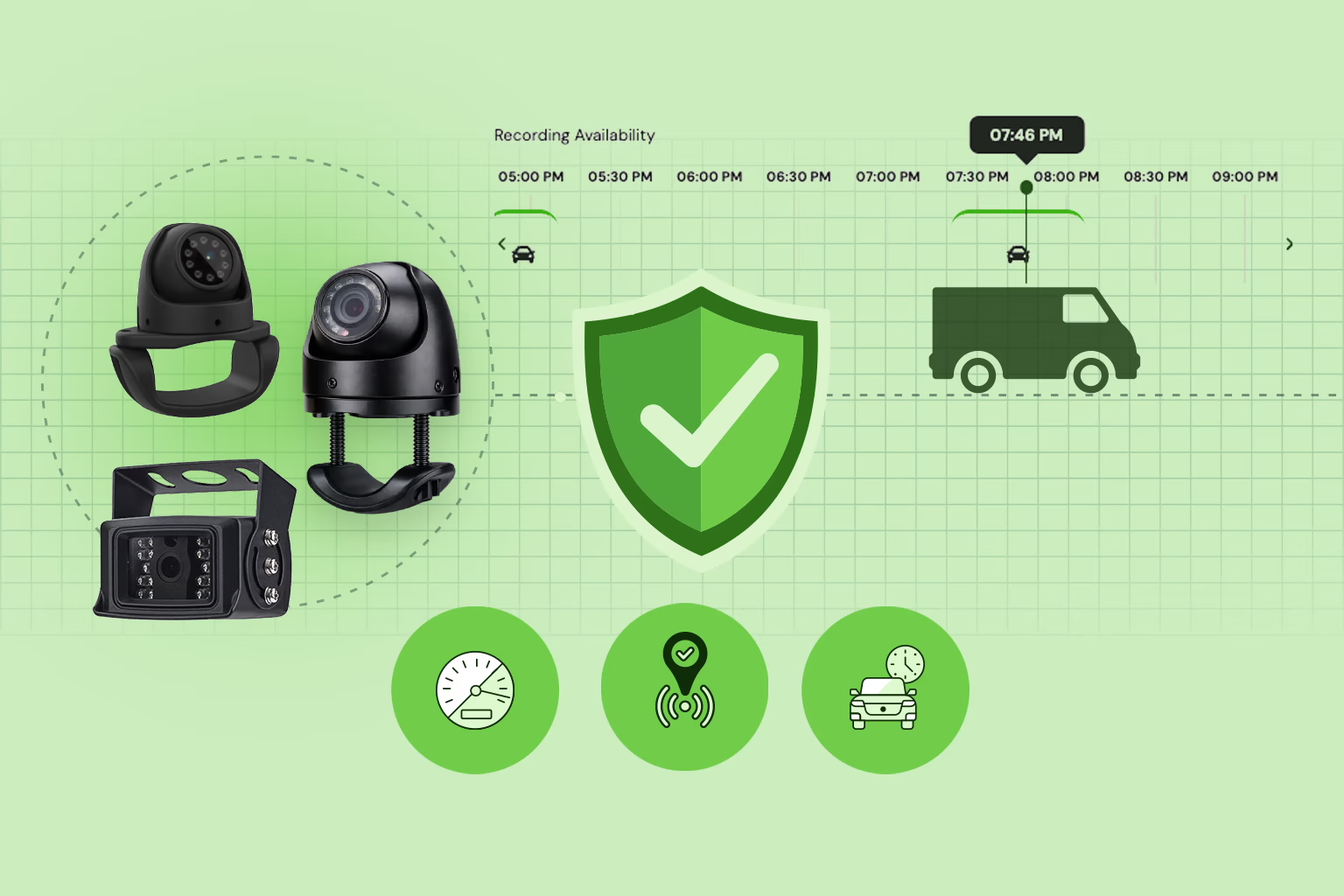
A new category of compact auxiliary cameras for fleet vehicles isdesigned to address this constraint. By fitting into tighter spaces, thesecameras make it possible to expand video coverage without modifying vehicles orcompromising placement.
The Challenge: Limited Mounting Space in Fleet Vehicles
In industries like construction, waste management, and delivery, vehicledesign often restricts where cameras can be installed.
Common issues include:
- Mirror arms that cannot support larger camera housings
- Limited flat surfaces for mounting
- Inconsistent installations across different vehicle types
These constraints can lead to:
- Blind spots around the vehicle
- Gaps in video coverage
- Reduced effectiveness of video telematics systems
A More Practical Approach: Compact Auxiliary Camera Design
Smaller, low-profile cameras are designed specifically for real-worldfleet conditions. Their compact form factor allows installation in areas wheretraditional cameras may not fit.
This enables fleets to:
- Standardize camera placement across more vehicles
- Improve coverage in previously inaccessible areas
- Avoid custom modifications during installation
By removing physical limitations, fleets can better align cameraplacement with safety needs.
Built for Harsh Fleet Environments
Durability remains a critical requirement for exterior fleet cameras.Compact designs can still meet these standards when built with rugged materialsand protective ratings.
Key durability considerations include:
- IP69K rating for resistance to water, dust, and high-pressure washdowns
- Shock resistance (≥10G) for rough road conditions
- Wide operating temperature range (-30°C to +85°C) for different climates
These features help ensure consistent performance in demandingenvironments.
Maintaining Video Quality in All Conditions
Camera size does not eliminate the need for clear, reliable footage.Effective auxiliary cameras still need to deliver consistent video quality.
Important capabilities include:
- 720p resolution at 30 fps for clear playback
- Wide field of view (around 120°+) to reduce blind spots
- Low-light performance for nighttime visibility
- Infrared support for near-dark conditions
These features help fleets capture usable footage across a range ofdriving conditions.
Scaling Fleet Camera Coverage
Modern video telematics systems support multiple auxiliary cameras pervehicle, making it easier to expand coverage.
This allows fleets to:
- Add cameras based on vehicle type or risk areas
- Capture multiple angles for better incident context
- Maintain a consistent setup across the fleet
Flexible configurations are especially useful for mixed fleets withvarying operational needs.
Why This Matters for Fleet Safety
Solving mounting limitations can have a direct impact on safety andoperations.
When fleets can install cameras where they are actually needed, theycan:
- Reduce blind spots and improve driver awareness
- Capture more complete incident footage
- Support more effective driver coaching
- Strengthen documentation for claims and disputes
Improved camera placement leads to more reliable data and betterdecision-making.
Key Takeaways
- Limited mounting space is a common barrier to fleet camera adoption
- Compact auxiliary cameras make installation possible in tighter areas
- Rugged designs ensure durability in harsh environments
- Strong video performance supports day and night visibility
- Flexible setups allow fleets to scale coverage across vehicles