How much time does your team spend manually entering job details, fuel receipts, and mileage logs? This tedious work is not only slow but also prone to errors. It’s time you can’t get back. The key to reclaiming your day is effective QuickBooks fleet management. By using a fleet maintenance software with QuickBooks integration, you can put these repetitive tasks on autopilot. When a job is completed or a fuel card is swiped, the information flows directly into your books. This guide explains how to build this automated workflow for a more efficient business.
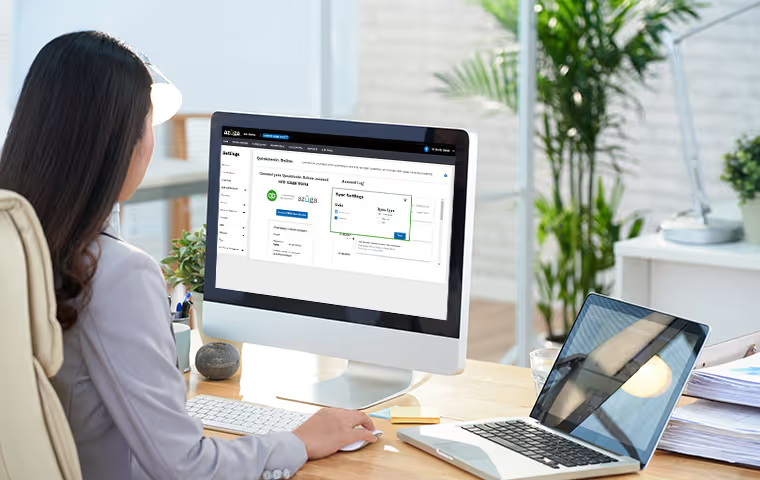
QuickBooks integrations software like Azuga Works is your best bet for managing your accounting needs. Whenever you make an entry in Azuga Works, it automatically updates the customer records and invoices in your QuickBooks Online account, so you’re ready to crunch numbers! Find out everything that you can do with QuickBooks in Azuga Works in this article!
Why Integrate Fleet Management Software with QuickBooks?
Juggling fleet operations and financial bookkeeping in separate systems can feel like a constant back-and-forth. You have powerful data about your vehicles and drivers in one place, and all your financial information in another. The real magic happens when these two worlds connect. Integrating your fleet management software with QuickBooks bridges that gap, creating a seamless flow of information that saves time, reduces manual entry errors, and gives you a crystal-clear view of your business's financial health. Instead of spending hours reconciling fuel receipts or manually entering job data for invoicing, an integration automates these tasks. This allows you to move from simply managing data to using it strategically to make smarter decisions for your entire operation.
What is Fleet Management Software?
At its core, fleet management software is a tool designed to help businesses manage their vehicles, whether you have a few service vans or a large fleet of trucks. Think of it as a central hub for everything related to your fleet. According to QuickBooks, this type of software helps you keep track of your vehicles and the drivers who operate them. It provides the visibility and control needed to run an efficient and safe operation. By centralizing information about vehicle location, maintenance needs, and driver activity, you can streamline daily tasks and get a better handle on your mobile assets.
Core Goals of Fleet Management
The primary goal of any good fleet management system is to make your job easier. It’s about simplifying the complex logistics of managing vehicles and drivers so you can reclaim your time and energy. As QuickBooks Canada notes, the software aims to help you focus on growing your business rather than getting bogged down in administrative tasks. By automating tracking, reporting, and scheduling, it helps you run a more efficient and productive fleet. This ultimately translates to better service for your customers, a safer environment for your drivers, and a healthier bottom line for your business.
Key Features to Look for in a Fleet Management Solution
When you're ready to pair a fleet management solution with QuickBooks, it's important to know which features will deliver the most value. The right software goes beyond simple dots on a map; it offers a comprehensive suite of tools that gives you a 360-degree view of your operations. Look for a solution that provides real-time data on everything from vehicle location and health to driver behavior and fuel consumption. These features not only improve day-to-day efficiency but also provide the detailed data needed for accurate financial tracking in QuickBooks. A robust platform ensures that the information flowing into your accounting system is timely, accurate, and complete, giving you a true picture of your operational performance.
GPS Tracking and Navigation
Knowing where your vehicles are at all times is fundamental to effective fleet management. GPS fleet tracking provides this real-time visibility, which is a game-changer for dispatching and customer service. As QuickBooks points out, this allows you to accurately predict service times, keep your customers informed, and quickly dispatch the nearest vehicle to an urgent job. This level of insight not only improves operational agility but also ensures that the mileage and location data feeding into your accounting system for job costing and invoicing is precise. It’s the foundation for building a more responsive and efficient field operation.
Preventive Maintenance
Keeping your fleet on the road and out of the shop is crucial for business continuity. A key feature to look for is a system for managing preventive maintenance. This tool helps you stay ahead of vehicle issues by tracking maintenance schedules and sending timely reminders for service. By catching small problems before they become major, expensive breakdowns, you can keep your vehicles running safely and reliably. This proactive approach minimizes unexpected downtime, extends the life of your assets, and ensures your team has the dependable equipment they need to get the job done right every time.
How Azuga Scheduled Maintenance Helps
Unexpected vehicle downtime can throw a wrench in your entire schedule. The Azuga Scheduled Maintenance feature provides automated reminders for routine service, ensuring your fleet stays in optimal condition. By tracking vehicle diagnostic trouble codes (DTC) and setting custom service schedules, you can reduce the risk of surprise breakdowns and keep your operations running smoothly. This proactive approach helps you maintain vehicle health, protect your investments, and ensure your team is always ready to hit the road with confidence.
Fuel and Mileage Monitoring
Fuel is one of the largest operational expenses for any fleet, making close monitoring essential. A strong fleet management solution will track fuel consumption, mileage, and vehicle speed, giving you the data to make informed decisions. This information helps you identify and plan the most efficient routes, which saves both time and fuel. It also allows you to spot and correct inefficient driving habits, like excessive idling or speeding, that can unnecessarily drive up your fuel spend. When integrated with QuickBooks, this data provides an accurate record of fuel expenses and mileage for precise job costing and tax reporting.
Driver Hour Tracking and ELD Compliance
Accurately tracking driver hours is critical for both payroll and regulatory compliance. Fleet management software automates this process, creating precise records that simplify payroll and tax preparation. More importantly, it helps you monitor driver workloads to prevent fatigue and improve safety on the road. For many fleets, this also means ensuring ELD compliance with Hours of Service (HOS) regulations. An integrated system not only keeps you compliant but can also demonstrate a commitment to safety that may lead to benefits with your insurance provider.
Mobile Apps for Drivers
Empowering your drivers and technicians with the right tools can significantly improve their efficiency and effectiveness in the field. A mobile app for drivers gives them immediate access to critical information right on their smartphones. According to QuickBooks, this allows technicians to view job details and customer history on the spot, helping them make smarter decisions without having to call back to the office. This direct line of communication streamlines workflows, improves first-time fix rates, and enhances the overall customer experience by ensuring your team arrives prepared and informed.
Understanding QuickBooks' Native Tools
Before diving into a third-party integration, it’s helpful to understand what QuickBooks already offers for businesses with mobile teams. QuickBooks has developed its own set of tools designed to help manage field operations and track employee time. These native solutions, like QuickBooks Field Service Management and QuickBooks Time, provide foundational features that can support certain business needs. Understanding their capabilities helps you see where they excel and where a more specialized fleet management integration can fill in the gaps to create a truly comprehensive system for managing your vehicles, assets, and people.
QuickBooks Field Service Management
QuickBooks Field Service Management is designed to connect your office staff with technicians in the field. Its main purpose is to streamline the workflow between creating a work order, scheduling the job, and invoicing the customer. This tool helps you manage your service operations by providing a digital link between your back office and your mobile workforce. It’s a solid solution for businesses that need to improve their scheduling and dispatching processes and ensure that job information is communicated clearly and efficiently to the team on the ground.
QuickBooks Time (Formerly TSheets)
QuickBooks Time, which you might remember as TSheets, is a software focused on tracking employee work hours. It’s built to help businesses manage employee schedules, monitor time on different projects, and simplify the payroll process. By providing an easy way for employees to clock in and out, whether in the office or on a job site, it ensures that time tracking is accurate and transparent. This data flows directly into QuickBooks for payroll, reducing manual data entry and ensuring employees are compensated correctly for their time.
Benefits of Accurate Time Tracking
The impact of accurate time tracking goes straight to your bottom line. According to QuickBooks, businesses using their time tracking tools can see significant savings on payroll. By eliminating manual timesheets and guesswork, you ensure you're only paying for the exact hours worked. This precision also streamlines the entire payroll process, cutting down the administrative time required to run it. It’s a clear example of how a simple digital tool can create tangible efficiencies and financial benefits for your business.
How Integration Streamlines Your Accounting
This is where everything comes together. Integrating a comprehensive fleet management solution with QuickBooks transforms your accounting from a reactive, manual process into a streamlined, automated workflow. When your fleet software and accounting system talk to each other, data flows seamlessly between them. For example, with a solution like Azuga Works, every entry you make—from a completed job to a fuel purchase—can automatically update the corresponding customer records and invoices in your QuickBooks Online account. This eliminates the need for double entry, drastically reduces the chance of human error, and ensures your financial records are always up-to-date. You get a real-time view of your business's financial performance tied directly to your fleet's daily activities, giving you the power to make faster, more informed decisions.
Sort Fleet Transactions on Autopilot
Automated features such as automated bank feeds and transaction sorting streamline bookkeeping tasks. With these features, you don’t have to waste time on tedious and time-consuming manual data entry. Azuga Works will link a customer’s transactions, receipts, and statements to the correct client’s file in QuickBooks, so you can access customer data whenever you need it. QuickBooks will even recognize recurring items as you sort through bills, then transactions and automatically sort them for you. It’s a helpful tool that saves a lot of time!
Keep Your Fleet Tax-Ready
QuickBooks Online Accountant helps you file T1 and T2 returns quickly without exporting or grabbing data from all of your different sources. Azuga Works gathers all of that data in QuickBooks for you, so all you have to do is follow the software’s quick and easy steps to get your taxes filed in no time! Features like T1 Express Data Entry and Active Auditor allow you to file the most accurate tax returns even faster than ever before.
Create Workpapers in a Click
Workpapers makes it easy to view all of your files’ information in one place. No need to transfer between tools as you work. With Workpapers, everything is easy to access at the click of a button. With one click, you can view your year-end workflow. It’s simple to make adjustments, add attachments, mappings, and notes, and create custom financial statements within QuickBooks Online. As with all QuickBooks features, you can ensure that your data is accurate and up-to-date. Workpapers make your year-end paperwork easy as pie, so there’s no need to stress in the last quarter anymore.
Give Your Team Secure Account Access
If you have multiple managers working with your customers, it won’t be a challenge for QuickBooks! You can easily set up accountants to work on specific customer accounts, so they are the primary contact for that client. You can even have clients request specific specialists to improve customer service. This feature makes it easy to delegate responsibilities and ensure everyone can access the information they need without the clutter of information they don’t need.
Run a Smoother Month-End Review
Month-End Review helps you sum up all of your transactions at the end of each month to check in on how your business is doing. QuickBooks will let you know if there are any issues in your data so you can correct them before they start causing problems. It even creates an itemized list of month-end tasks to ensure you are doing everything you need to do to be successful. It’s much easier to close client books when you have this feature at your disposal.
Choosing the Right Integrated Software
Moving your fleet's financial tracking from spreadsheets to a dedicated software is a big step. While QuickBooks offers tools to help manage vehicles, the real power comes from integrating it with a specialized fleet management platform. This combination helps you streamline everything from route planning to maintenance schedules and issue response. The goal is to create a seamless flow of information, where operational data from your fleet automatically informs your financial records. This eliminates the need for manual data entry, which not only saves time but also drastically reduces the chance of human error.
When your fleet management software and accounting system talk to each other, you get a complete, real-time picture of your business. Think about it: a completed job in your fleet software can automatically generate an invoice in QuickBooks. A fuel card swipe can be instantly logged against a specific vehicle's operating record. This level of integration means your financial reports are always based on the most current and accurate operational data. It transforms your accounting from a backward-looking chore into a forward-looking strategic tool, giving you the insights needed to run a more efficient and profitable operation.
What to Consider for Your Fleet
Many fleet managers find themselves in the same boat: juggling around 25 vehicles and realizing that spreadsheets just aren’t cutting it anymore. The core needs are usually the same—a system to handle maintenance scheduling, track fuel usage, and provide basic reports. When you’re looking for a solution, it’s tempting to go for the one with the most bells and whistles, but it’s crucial to focus on usability. The best software is the one your team will actually use. An intuitive interface that is easy for everyone to learn is far more valuable than a dozen extra features that go untouched. A platform that is simple for drivers to use on the go with a mobile app ensures you get the accurate, real-time data you need.
A Quick Note on QuickBooks Updates
If you’ve been using QuickBooks for a while, you’ve probably heard whispers about changes to the Desktop version. It’s easy to get concerned when a tool so central to your business is evolving. However, these changes aren’t a reason to panic. Instead, they present a perfect opportunity to evaluate your current accounting and fleet management setup. Think of it as a scheduled check-in to ensure your systems are not only working for you today but are also prepared for the future. After all, your business doesn't stand still, and neither should the tools you rely on.
Relying on outdated software can create significant security vulnerabilities and compatibility headaches, especially when it’s integrated with other business-critical systems. This is where cloud-based platforms truly shine. With a solution like Azuga, which integrates seamlessly with QuickBooks Online, you’re always on the latest version. Updates happen automatically in the background, so you can be confident that your data is secure and your tools will always communicate effectively. This approach future-proofs your operations, letting you focus on running your business instead of managing software updates.
Is QuickBooks Desktop Going Away?
So, let’s get straight to the point: is QuickBooks Desktop disappearing? The short answer is no, but with a few important caveats. Intuit is clearly shifting its focus toward its online product. While the software itself remains available, support for older versions is being phased out. For example, support for the Desktop 2023 versions will end in May 2026. This "sunsetting" means no more security updates, bug fixes, or customer support for that version. Continuing to use it past that date puts your financial data at risk. This industry shift makes a strong case for migrating to a modern, cloud-based setup with a reliable partner for your compliance and fleet management needs.
Ready to Connect Your Fleet and Finances?
Azuga Works’s integration with QuickBooks is everything you need to handle the accounting side of your business. It’s easy to manage, accurate, and reliable. Everything you need is always available when you need it. Find out how you can get started with Azuga Works today by trying out a demo.
Frequently Asked Questions
Why should I connect my fleet management software to QuickBooks? Connecting your fleet software to QuickBooks automates your accounting workflow. Instead of manually entering job details, fuel receipts, or mileage logs, the information flows directly from your fleet operations into your financial records. This saves a significant amount of time, reduces the risk of human error, and gives you an accurate, real-time view of your business's financial health.
What's the difference between QuickBooks' own tools and a dedicated fleet integration? QuickBooks offers native tools like Field Service Management and QuickBooks Time, which are great for basic job scheduling and employee time tracking. However, a dedicated fleet management integration, like Azuga, provides a more complete solution. It adds critical fleet-specific data, such as GPS tracking, vehicle maintenance alerts, fuel consumption, and ELD compliance, creating a comprehensive picture of your operational performance and its financial impact.
My team isn't very tech-savvy. Will this be difficult to implement? The best integrated solutions are designed with usability in mind. Look for a platform with an intuitive interface and a straightforward mobile app for your drivers. The goal is to find a system that is easy for everyone to learn and use daily. A user-friendly platform ensures high adoption rates, which is key to gathering the accurate, real-time data needed to make the integration successful.
I heard QuickBooks Desktop is being phased out. Should I be worried? While Intuit is shifting its focus to QuickBooks Online, the Desktop version isn't disappearing entirely. However, support for older versions is ending, which means no more security updates or bug fixes. This makes it a good time to consider moving to a cloud-based system. Integrating a platform like Azuga with QuickBooks Online ensures you are always on the latest, most secure version without needing to manage manual updates.
How does this integration help with tax preparation? An integrated system simplifies tax time by automatically organizing all your fleet-related financial data in one place. Information on mileage, fuel expenses, and labor hours is captured accurately and assigned to the correct jobs or vehicles. This eliminates the need to manually gather data from different sources, ensuring your records are complete and ready for filing, which can make the entire process faster and more accurate.
Key Takeaways
- Automate Your Accounting Workflow: Integrating fleet management software with QuickBooks eliminates manual data entry for job details, fuel receipts, and mileage logs. This direct data flow saves time, reduces human error, and keeps your financial records consistently accurate.
- Gain a Complete Operational View: When your fleet and accounting systems are connected, you get a real-time view of your business's performance. This allows you to tie daily activities directly to financial outcomes, enabling smarter decisions about job profitability and operational spending.
- Focus on Core Fleet Management Features: The right integrated solution offers more than just GPS tracking. Prioritize features like preventive maintenance scheduling, fuel monitoring, and driver hour tracking to improve efficiency, ensure compliance, and feed detailed data into QuickBooks for precise bookkeeping.