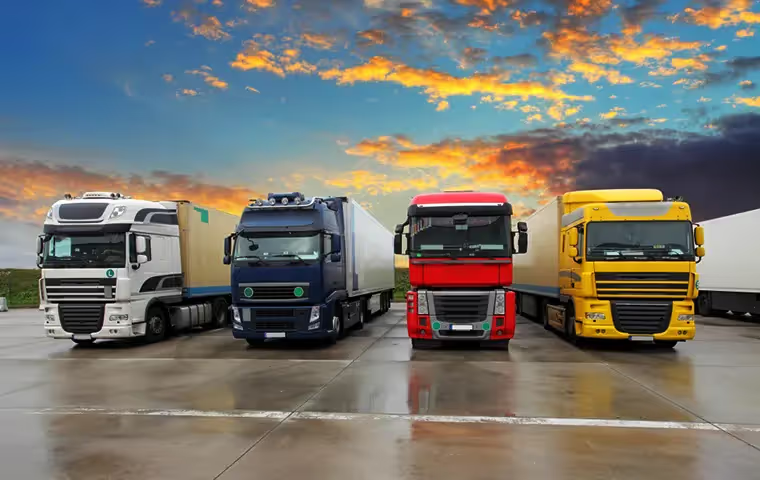
What is a corporate fleet? It’s easy to say it’s just a group of company vehicles, but that simple answer misses the bigger picture. A fleet is also your drivers, the valuable equipment they carry, and your brand’s logo seen by thousands every day. It’s a dynamic, public-facing part of your company. Because it’s so much more than just metal and wheels, effective corporate fleet management is critical. If you’re new to the industry or looking to become a fleet manager, let's go back to basics and explore what that really means.
A group of vehicles owned or leased by a business is a corporate fleet. These vehicles can include cars, trucks, or vans. Various industries use vehicle fleets to deliver goods, transport employees, or provide services. It’s important to understand these basics if you’re entering this industry.
What Does a Corporate Fleet Vehicle Mean for Your Business?
Corporate fleets are crucial in various industries, performing different jobs and functions. Here are some key examples:
- Delivery and Logistics: Fleets are essential in ensuring that goods are transported efficiently from warehouses to retail outlets or directly to customers. This is especially vital in e-commerce, where timely delivery is critical to customer satisfaction.
- Employee Transportation: Companies use fleet vehicles to shuttle employees between locations for business travel or fieldwork.
- Service Fleets: Service-oriented businesses, such as maintenance, repair, and home services, rely on fleets to carry equipment and personnel to various job sites. This functionality allows them to offer prompt and effective service to their clients.
- Emergency Response: In sectors like healthcare, security, and disaster management, fleets are indispensable for quick response to emergencies, transporting medical personnel, security teams, or relief supplies.
- Public Transportation: Government or private entities may operate fleets of buses, vans, or shuttles to provide public transportation services, enhancing mobility and accessibility for the community.
Using fleet vehicles enables businesses to meet customer demands, enhance service quality, and maintain a competitive edge in their industries.
The Core Goals of Fleet Management
Simply having a fleet isn't enough; you need a strategy to manage it. Effective fleet management is the key to getting the most out of your vehicles and drivers. It’s a comprehensive approach that helps businesses run smoothly by overseeing everything from vehicle maintenance to driver performance. The primary objective is to improve efficiency, minimize risks, and ensure all operations meet legal standards. By focusing on these core areas, you can transform your fleet from a simple group of vehicles into a powerful asset that drives your business forward and supports your operational goals.
Increasing Productivity and Efficiency
One of the main reasons businesses rely on corporate fleets is to manage deliveries, transportation, and employee travel more efficiently. A well-managed fleet ensures that your team can get more done in less time. This involves more than just getting from point A to point B; it’s about finding the smartest way to do it. With tools for route optimization, you can plan the most effective paths for your drivers, reducing fuel consumption and idle time. This means your service technicians can fit in another job, or your delivery drivers can complete their routes faster, directly impacting your bottom line and improving customer satisfaction.
Reducing Risk and Improving Safety
A proactive approach to driver safety is non-negotiable. Protecting your drivers, your vehicles, and the public is a fundamental responsibility of any business with a fleet. Good fleet management helps you build a strong safety culture by identifying risky behaviors like speeding or harsh braking and providing opportunities for coaching. Technologies like AI dashcams can offer clear insights into on-road events, helping you understand what really happened and protect your drivers from false claims. A safer fleet not only prevents accidents but also reduces downtime, insurance claims, and repair bills, safeguarding both your employees and your business’s reputation.
Ensuring Regulatory Compliance
Navigating the web of local, state, and federal regulations can be a major challenge for fleet operators. Companies must ensure all vehicles used for business are safe, properly insured, and compliant with all legal requirements. This includes everything from Hours of Service (HOS) tracking with an Electronic Logging Device (ELD) to maintaining up-to-date vehicle inspection records (DVIRs). Failing to comply can lead to hefty fines and operational delays. A robust fleet management system helps automate these processes, making it easier to stay on top of paperwork and ensure your entire operation remains fully compliant, giving you peace of mind.
Types of Vehicles and Assets in a Fleet
When you hear the word "fleet," you might picture a line of identical white vans, but the reality is much more diverse. A fleet is simply a group of assets a business uses, and it can include many different kinds of vehicles depending on the company's specific needs. From construction vehicles that build our cities to the service vans that keep our homes running, each fleet is unique. The composition of a fleet is tailored to its purpose, ensuring that the right tools are available for the job, no matter the industry.
Specialized Commercial Vehicles
The type of vehicle in a fleet directly reflects the work being done. For a logistics company, this might mean a fleet of semi-trucks or refrigerator trucks for transporting temperature-sensitive goods. A construction business will rely on heavy-duty vehicles like dump trucks and excavators. Meanwhile, a local plumbing or HVAC company depends on a fleet of service vans stocked with tools and parts. Even industries like taxi services and car rentals operate their own specialized fleets. Each vehicle is a crucial piece of equipment chosen to meet the specific demands of the business and its customers.
Non-Vehicle Assets and Equipment
Fleet management isn't just about things with wheels. Many businesses rely on valuable, unpowered assets that are critical to their operations. Think about generators on a job site, shipping containers in a yard, or expensive trailers that carry specialized equipment. These items are just as important as the trucks that tow them, and losing track of them can cause significant delays and financial loss. That's why modern asset management extends to all of a company's important equipment, providing visibility into its location and status, whether it's moving down the highway or sitting at a work site.
The "Grey Fleet": Using Personal Vehicles for Business
Not all vehicles used for work are owned by the company. Many businesses have employees who use their private cars for work-related tasks, a practice that creates what is known as the "grey fleet." While this might seem like a simple solution for companies that don't want to maintain a full fleet, it introduces a unique set of challenges. Businesses are still responsible for ensuring these vehicles are safe, properly insured, and used appropriately for business purposes. Managing a grey fleet requires a clear policy and a reliable system for tracking mileage, documenting usage, and confirming that drivers and their vehicles meet company safety standards.
Benefits Beyond Logistics
A well-managed corporate fleet offers advantages that go far beyond simple transportation and logistics. These vehicles are a visible, moving part of your company and can play a significant role in shaping your brand identity and company culture. When you view your fleet as more than just a tool for getting work done, you can find new opportunities to strengthen your business from the outside in. From turning your vehicles into mobile advertisements to using them as a perk for your employees, the benefits are multifaceted and impactful.
Brand Visibility on the Road
Your fleet vehicles are often the most visible representation of your company to the public. When your trucks or vans are decorated with the company's logo and colors, they act as moving billboards that advertise your business wherever they go. A clean, well-maintained, and professionally branded vehicle projects an image of reliability and quality, building trust with potential customers before your team even rings the doorbell. This constant presence in the community reinforces your brand and keeps your business top-of-mind, turning every service call or delivery into a marketing opportunity.
Improving Employee Satisfaction
Providing employees with access to company vehicles can be a major benefit that improves their daily work lives. It can make their travel for work easier and reduce the wear and tear on their personal vehicles, which can make them happier and more engaged at their jobs. You can take this a step further by creating a culture of safety and recognition. Implementing a driver rewards program that acknowledges safe driving habits not only encourages better performance but also shows your employees that you value their well-being. This focus on employee satisfaction can lead to higher retention rates and a more positive work environment for everyone.
A Practical Approach to Corporate Fleet Management
Effective management and maintenance are crucial to ensure fleets can perform the duties outlined above. Here's how businesses ensure their fleets remain in top condition:
- Fleet Management Software: Modern businesses often rely on specialized software to oversee their fleets. This technology helps track vehicle locations, monitor fuel consumption, schedule maintenance, and analyze driver behavior. By providing real-time data, fleet managers can make informed decisions.
- Regular Maintenance Schedules: Adhering to a routine maintenance schedule is essential to prolong the life of fleet vehicles and prevent breakdowns. Scheduled maintenance includes regular oil changes, tire rotations, brake checks, and other preventive measures. By catching issues early, businesses can avoid costly repairs and downtime.
- Driver Training Programs: Ensuring drivers are well-trained is another critical aspect of fleet management. Regular training sessions on safe driving practices and vehicle care can reduce the risk of accidents and wear and tear on the vehicles.
- Compliance with Regulations: Fleet managers must also ensure that all vehicles comply with relevant regulations, such as emissions standards and safety requirements. Regular inspections and record-keeping are vital to staying compliant and avoiding penalties.
Implementing these strategies helps businesses maintain efficient and reliable corporate fleets, ultimately contributing to their success.
The Central Role of the Fleet Manager
At the heart of every successful fleet is a dedicated fleet manager. This role is the command center for all vehicle operations, balancing logistics, maintenance, and compliance. A great fleet manager does more than just schedule routes; they are strategists who ensure every vehicle operates efficiently and safely. A key part of their job is making sure the entire fleet adheres to all relevant regulations, from emissions standards to safety requirements. This involves meticulous record-keeping and regular vehicle inspections to stay compliant and avoid penalties. With so many moving parts, using technology to automate and track these details becomes essential for keeping everything running smoothly and legally.
Strategic Decisions: In-House vs. Outsourced Management
One of the first big decisions a business makes is whether to manage its fleet in-house or to outsource the task to a specialized company. Handling fleet management internally gives you direct control over operations and allows you to tailor every detail to your business needs. However, it also requires significant resources, including dedicated staff and expertise. On the other hand, outsourcing can free up your team to focus on core business activities while leveraging the experience of a third-party provider. The right choice depends on your company’s size, resources, and long-term goals. It’s a strategic decision that shapes how your fleet contributes to your bottom line.
Financial Considerations for Your Fleet
Managing the financial side of a corporate fleet involves more than just the initial vehicle acquisition. It’s a continuous cycle of planning, monitoring, and optimizing to get the most value from your assets. From choosing whether to buy or lease to managing daily operating expenses like fuel and maintenance, every decision impacts your overall return on investment. A smart financial strategy also includes planning for the end of a vehicle's life cycle and understanding the tax implications of your fleet. Having a clear view of all these financial elements is critical for running a sustainable and efficient operation. Tools that provide deep insights into fleet performance can make a world of difference here.
Acquisition: Buying vs. Leasing Vehicles
When it comes to adding vehicles to your fleet, you generally have two paths: buying or leasing. Buying a vehicle requires a larger initial outlay but gives you full ownership. This means you build equity and can sell the vehicle later to recoup some of the investment. It can be a more economical choice in the long run. Leasing, in contrast, typically involves a lower upfront payment and predictable monthly installments, which can make budgeting easier. Leases often include maintenance packages and offer the flexibility to upgrade to newer models every few years. However, you don't own the asset, and there can be mileage limitations to consider.
Managing Key Operating Expenses
The work doesn't stop once you have the keys. The largest ongoing expenses for any fleet are typically fuel, insurance, and maintenance. Fuel consumption can fluctuate, insurance for commercial fleets is a significant line item, and maintenance needs increase as vehicles age. Proactively managing these areas is key to a healthy budget. Implementing a scheduled maintenance program, for example, helps prevent major breakdowns and costly downtime. Similarly, monitoring driver behavior can identify opportunities to improve fuel efficiency and promote safer driving, which can positively influence insurance evaluations. Tracking these expenses diligently allows you to spot trends and make adjustments before they become major issues.
Vehicle Remarketing: End-of-Life-Cycle Planning
Every vehicle in your fleet has a finite lifespan. Knowing when to retire and replace a vehicle is a strategic decision known as remarketing. This isn't just about waiting for a vehicle to break down; it's about finding the sweet spot where it has delivered maximum value without becoming a drain on resources. To make this call, you need to consider factors like the vehicle's age, mileage, and maintenance history. Effective asset management helps you track this data over time, allowing you to create a replacement cycle that optimizes the value of your fleet and keeps your operations running with reliable vehicles.
Understanding Tax Implications
Owning and operating a corporate fleet comes with its own set of tax rules and potential benefits. These regulations can be complex and vary based on how you acquire your vehicles and how they are used for business. For instance, there are specific rules for deducting expenses related to buying, leasing, and operating your fleet. Because tax laws change and have nuances specific to your situation, it’s always a good idea to consult with a tax professional. They can help you understand the full financial picture and ensure you are making informed decisions that align with both your operational goals and your financial responsibilities.
Key Functions of Fleet Management
Effective fleet management extends far beyond logistics and vehicle maintenance. At its core, it's about creating a safe, compliant, and responsible operation. This involves establishing clear protocols for everything from daily driver conduct to handling unexpected incidents. The primary functions revolve around managing risk, ensuring the well-being of your drivers, and upholding your company's legal and ethical obligations. A strong focus on these areas not only protects your people and assets but also builds a resilient and reputable business. A comprehensive fleet safety program is the foundation for achieving these critical goals.
Health, Safety, and Risk Management
The top priority for any fleet operation should be the health and safety of its drivers and the community. This goes beyond simply meeting minimum requirements; it’s about building a proactive safety culture. This culture is reinforced through regular training, clear communication, and positive reinforcement for safe driving habits. By using tools that provide visibility into driver behavior, you can identify risky patterns like speeding or harsh braking and address them with targeted coaching. Programs that offer driver rewards for safe performance can also be incredibly effective, turning safety into a shared goal that everyone actively works toward.
Understanding Your "Duty of Care"
As an employer, you have a legal and moral obligation known as "duty of care" to ensure the safety of your employees while they are on the job. When your employees are behind the wheel of a company vehicle, this responsibility is significant. In some regions, company leaders can even be held personally liable in the event of a serious accident if it's found that the company lacked clear safety policies or failed to enforce them. Fulfilling your duty of care means implementing robust safety protocols, providing proper training, maintaining vehicles, and ensuring drivers are fit to operate them. It’s about taking every reasonable step to protect your team.
Accident Management Protocols
Even with the best safety measures, accidents can happen. When they do, having a clear and immediate protocol is crucial. An effective accident management plan outlines the exact steps a driver should take at the scene, how to report the incident, and how the company will conduct its investigation. The goal is to manage the situation efficiently while gathering accurate information. Technology like dual-facing AI dashcams can be invaluable in these moments, providing objective video evidence to clarify events and protect your driver from false claims. This data is also essential for post-accident analysis to understand the root cause and prevent similar incidents in the future.
How the Right Tools Shape Your Fleet's Success
From ensuring timely delivery of goods to providing essential services, corporate fleets play a pivotal role in maintaining the flow of daily life.
Azuga has a deep understanding of the challenges and opportunities that come with managing fleets. We are always looking for ways to solve fleet challenges, putting us at the forefront of fleet technology solutions. Our fleet management system offers the most advanced solutions available.
Azuga's system adapts and grows with industry trends, ensuring your fleet operations are always ahead of the curve. From real-time tracking to predictive maintenance, our platform provides the tools to optimize efficiency and safety.
Try a demo of Azuga's software today and discover how we can help you navigate the road ahead with confidence and precision.
Monitoring and Improving Driver Behavior
The person behind the wheel is the most critical component of your fleet. Their performance directly impacts safety, fuel efficiency, and your company's reputation. Effective fleet management goes beyond just tracking vehicles; it involves understanding and guiding driver behavior. With the right tools, you can gain clear insights into what’s happening on the road, creating opportunities for coaching and improvement. This proactive approach helps build a culture of safety and accountability, where every driver is empowered to perform at their best and contribute to the overall success of the operation.
Identifying Risky Driving Habits
Modern telematics systems are incredibly effective at identifying specific driving habits that increase risk and operational expenses. By collecting data points directly from the vehicle, fleet management software can create a detailed profile for each driver. This isn't about micromanagement; it's about safety and precision. The system can flag events like harsh braking, rapid acceleration, speeding, and excessive idling. Understanding these patterns helps you pinpoint where risks lie within your fleet. For example, you can see if a particular route encourages speeding or if a driver could benefit from coaching on smoother vehicle operation, ultimately leading to a safer, more efficient team. You can improve driver safety by turning this data into actionable insights.
Using Data for Driver Coaching
Once you’ve identified risky behaviors, the next step is to use that data for constructive coaching. The goal is to support your drivers, not to penalize them. Detailed reports and driver scorecards provide objective, fact-based information that can be used to start a conversation. You can sit down with a driver and review specific incidents, offering guidance on how to handle situations differently in the future. This approach transforms data into a powerful training tool. To further encourage safe habits, consider implementing a system of positive reinforcement. Programs that recognize and reward top performers can motivate the entire team to drive more safely and efficiently, creating a positive feedback loop that benefits everyone. Azuga's Driver Rewards program is a great example of this in action.
Optimizing Routes and Schedules
Getting from point A to point B is one thing, but doing it in the most efficient way possible is what sets successful fleets apart. Route optimization uses advanced algorithms to do more than just avoid traffic. It considers variables like delivery time windows, vehicle capacity, and the number of stops to create the smartest schedule for your drivers. This process dramatically reduces mileage, fuel consumption, and vehicle wear and tear. For your team, it means less time on the road, fewer frustrating delays, and a more manageable workday. For your business, it translates to completing more jobs in less time, improving customer satisfaction, and getting the most out of every vehicle in your fleet. With a dedicated route optimization tool, you can turn complex scheduling puzzles into a simple, streamlined process.
Enhancing Security with Geofencing
Protecting your vehicles and equipment is a top priority. Geofencing is a simple yet powerful tool that adds a significant layer of security to your fleet operations. It works by creating virtual boundaries around real-world locations, such as your company yard, job sites, or restricted areas. When a vehicle or asset enters or leaves one of these predefined zones, the system automatically sends an alert to the fleet manager. This provides immediate visibility and control. You can use geofences to confirm that drivers are sticking to their assigned territories, verify service call arrivals and departures, and receive instant notifications about any unauthorized vehicle use after hours, helping to deter theft and misuse before they become major issues.
Remote Vehicle Security Measures
For an even higher level of security, some fleet management systems offer remote control capabilities. These features provide a critical line of defense in the event of theft or unauthorized use. Building on geofencing alerts, these advanced systems can, in certain situations, allow a manager to remotely prevent a vehicle from starting. For example, if a truck is moved from a secure yard in the middle of the night, you can immobilize it to aid in quick recovery. This technology is a powerful tool for protecting your high-value vehicles and equipment, giving you peace of mind and direct control over your asset management strategy.
Empowering Drivers with Mobile Tools
Fleet technology isn't just for managers; it's also a powerful tool for your drivers. Providing them with a dedicated mobile app can streamline their daily tasks and reduce administrative burdens. With the right app, drivers can view their optimized routes, receive real-time job updates, and communicate directly with the back office. It also simplifies critical processes like pre-trip vehicle inspections. Instead of filling out paper forms, drivers can complete digital checklists on their phones, complete with photos, ensuring compliance and faster issue reporting. The Azuga Fleet Mobile App empowers drivers by putting all the information they need right at their fingertips, helping them work more efficiently and with less frustration.
Streamlining Vehicle and Asset Maintenance
Preventing breakdowns is always better than reacting to them. A proactive maintenance strategy is essential for keeping your fleet on the road and avoiding downtime. Fleet management software automates this entire process. By tracking engine hours, mileage, and diagnostic trouble codes (DTCs) directly from the vehicle's onboard computer, the system can trigger alerts when service is due. This moves you away from unreliable, calendar-based schedules to a more accurate, usage-based approach. You’ll know exactly when a vehicle needs an oil change or tire rotation, allowing you to schedule service at the most convenient time. This approach to scheduled maintenance extends the life of your vehicles and keeps your entire operation running smoothly.
Preparing Your Fleet for the Future
The world of fleet management is always changing. New technologies, evolving regulations, and shifting economic landscapes require fleet managers to be adaptable and forward-thinking. Staying competitive means not just managing the day-to-day but also preparing for what's next. Whether it's the transition to electric vehicles or the need to operate more efficiently in a tight economy, having a flexible strategy is key. The data and insights provided by a robust fleet management platform are your greatest assets in this endeavor. By understanding your fleet's performance inside and out, you can make informed decisions that not only address today's challenges but also position your operation for long-term success and growth.
The Shift to Electric Vehicles (EVs)
The conversation around electric vehicles in commercial fleets is growing louder, and for good reason. While the transition may seem daunting, it presents significant opportunities for reducing fuel and maintenance needs. However, a successful shift to EVs requires careful planning. You need to understand which of your current routes are suitable for an EV's range and where charging infrastructure will be needed. This is where your telematics data becomes invaluable. By analyzing the daily mileage and usage patterns of your existing vehicles, a fleet tracking system can help you identify the best candidates for electrification, making the transition a calculated business decision rather than a leap of faith.
Adapting to Economic Changes
In any economic climate, efficiency is the key to resilience. When times are good, it helps maximize profitability; when things are tight, it ensures survival. A comprehensive fleet management system gives you the visibility you need to weather any storm. By providing granular data on everything from fuel consumption and idle time to asset utilization and maintenance needs, it allows you to identify and eliminate waste throughout your operation. This empowers you to make strategic adjustments, control your operational expenditures, and ensure you're getting the maximum return from every vehicle and piece of equipment. A well-managed fleet is a lean, adaptable operation that is prepared to thrive no matter what the market does.
Frequently Asked Questions
What is the difference between a corporate fleet and a "grey fleet"? A corporate fleet consists of vehicles that are owned or leased directly by the business for company use. In contrast, a "grey fleet" refers to the personal vehicles that employees use for work-related tasks. While a grey fleet can seem convenient, the business is still responsible for ensuring those vehicles and their drivers meet safety and insurance standards.
Why is route optimization so important for a fleet? Route optimization is about more than just finding the shortest path. It uses technology to create the most efficient schedules for your drivers by considering factors like traffic, delivery windows, and the number of stops. This helps reduce fuel consumption and vehicle wear, allowing your team to complete more jobs in less time and improve overall customer satisfaction.
My business uses more than just trucks. Can fleet management help with other equipment? Absolutely. Modern fleet management isn't limited to vehicles. It also covers non-vehicle assets like trailers, generators, and other valuable equipment. Using asset tracking technology, you can monitor the location and status of all your important equipment, whether it's on the move or at a job site, which helps prevent loss and improve utilization.
How can I encourage my drivers to be safer on the road? Building a strong safety culture starts with understanding driver behavior. Fleet management tools can identify risky habits like speeding or harsh braking, providing objective data for constructive coaching conversations. You can also implement a driver rewards program that recognizes and celebrates safe driving, which motivates the entire team and shows you value their well-being.
What is "duty of care" and why does it matter for my fleet? "Duty of care" is a company's legal and moral obligation to ensure the safety of its employees while they are working. For a fleet, this means providing safe vehicles, proper training, and clear safety policies. Failing to meet this responsibility can lead to serious consequences, so it's a fundamental part of managing a responsible and professional operation.
Key Takeaways
- A corporate fleet is a dynamic business asset: It represents your brand on the road and includes vehicles, drivers, and valuable equipment, making comprehensive management critical for success.
- Effective management balances multiple goals: Key objectives include increasing operational efficiency, building a strong safety culture, and ensuring complete regulatory compliance.
- Technology is essential for modern fleet operations: Tools like GPS tracking, AI dashcams, and mobile apps provide the data needed to optimize routes, coach drivers, and streamline maintenance.