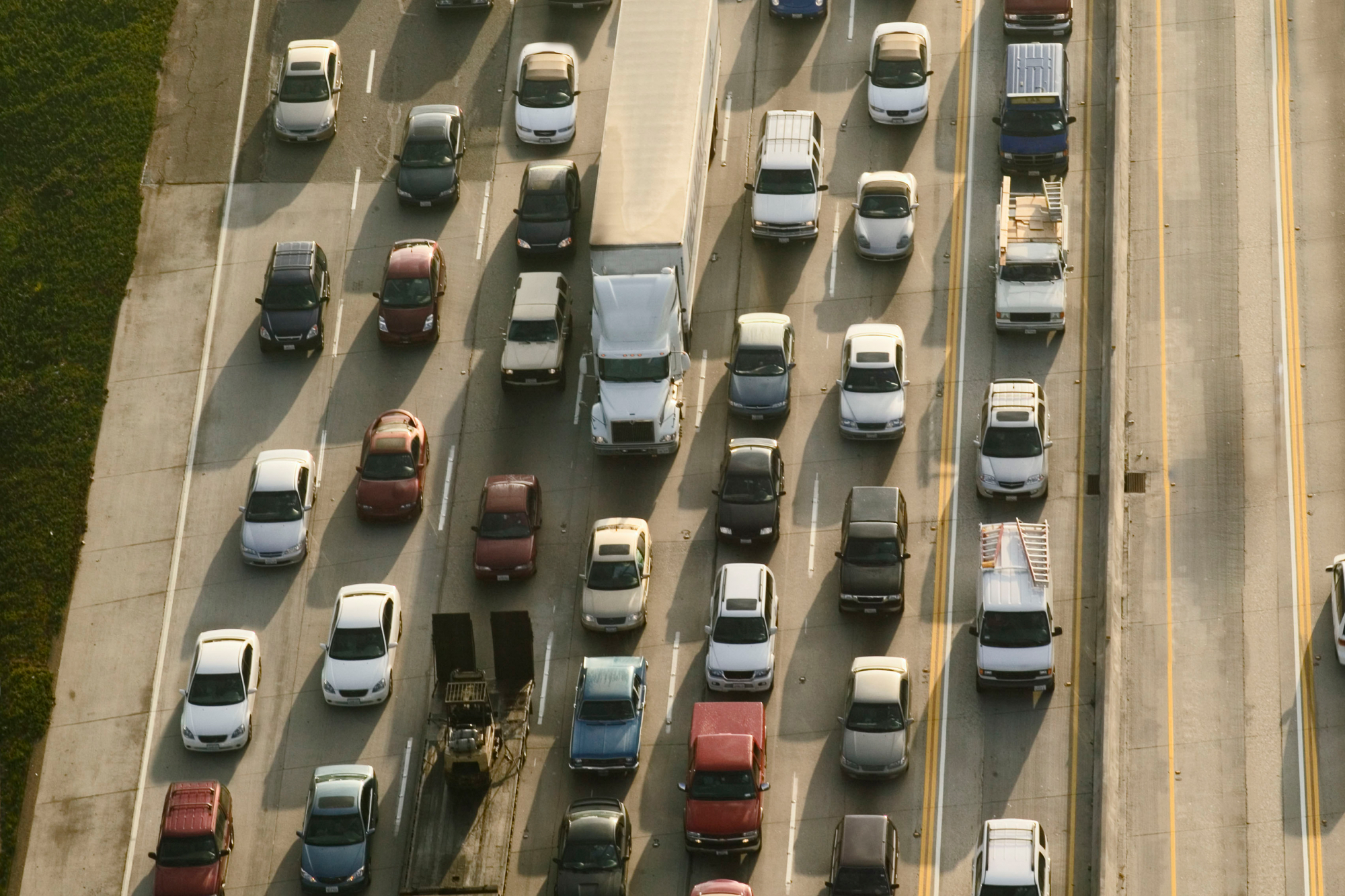
For any fleet driver, the sight of orange cones often means delays and frustration. But it’s more than just a headache—work zones are unpredictable and create serious safety hazards. This is where a solid focus on construction fleet safety becomes critical. To help your team feel more prepared, we’ve gathered essential fleet safety tips that focus on improving construction driver safety. These simple practices can help you handle these tense areas with more confidence and get through them safely, no matter the season.
Why construction zone safety matters for your fleet
In 2021, it’s estimated that there were over 105,000 crashes in work zones. These crashes resulted in 42,000 injuries and 954 deaths. These numbers show a rise in crashes and fatalities over the past years. The USDOT estimated a record increase in fatalities nationwide during the first quarter of 2022.
Highway maintenance is a dangerous job. These workers die 3.7 times more often than the average American worker and 19 times more often than engineering and office workers. People employed to work in tunnel, culvert, and bridge repair are in particular danger. But they’re not the only ones in danger. Motorists are also affected when these crashes occur. To keep everyone safe, reducing traffic accidents in work zones is essential.
These statistics were obtained from sources compiled by Work Zone Barriers.
The high stakes of safety in the construction industry
For any business with vehicles on the road, especially in the construction sector, safety isn't just a priority—it's the foundation of a sustainable operation. The risks associated with navigating and working in construction zones are significant, impacting not only the workers on site but also your drivers and your company's financial stability. Understanding these risks is the first step toward building a stronger, more resilient safety culture. It’s about protecting your people, your assets, and the public, ensuring that every project ends with everyone going home safely.
Understanding the leading risks for construction workers
While we often think of on-site hazards, the reality is that vehicle-related incidents are a major threat. According to industry analysis, "transportation incidents cause over 37% of all construction worker deaths." This staggering statistic highlights the shared space and shared responsibility between road workers and the vehicles moving through their work zones. For fleet managers, this means your drivers are a critical part of the safety equation. A moment of distraction or a misjudgment in a congested work zone can have devastating consequences, making defensive driving and heightened awareness more important than ever for your team.
The financial impact of fleet accidents
Beyond the human element, the financial repercussions of an accident can be severe. As noted by fleet safety experts at Tenna, "a single fleet accident can cost a company over $70,000, and sometimes more than $500,000 if there are injuries or lawsuits." These figures don't just represent a one-time expense; they can lead to soaring insurance premiums, extensive vehicle repair and replacement bills, legal fees, and significant operational downtime. Proactively investing in a robust safety program isn't an operational expense; it's a vital strategy to protect your company's financial health and long-term viability.
The benefits of a formal fleet safety program
Implementing a formal fleet safety program is one of the most effective measures you can take to protect your entire operation. A structured program moves safety from an abstract idea to a concrete, daily practice. As insurance experts at Morris Garritano point out, a good program "helps stop accidents like crashes and rollovers. It saves money by lowering insurance costs and repair bills." By establishing clear guidelines, providing consistent training, and leveraging technology, you create a framework that reduces incidents, protects your drivers and assets, and improves your company's bottom line through greater efficiency and fewer accident-related expenses.
Creating a formal fleet safety program
Putting together a formal safety program might seem like a big undertaking, but you can build it step-by-step. The goal is to create a system that is clear, consistent, and integrated into your daily operations. It’s not about adding more rules for the sake of it; it’s about creating a smarter, safer environment for everyone. A successful program starts with a strong cultural foundation and clear accountability. When everyone understands their role and sees leadership's commitment, safety becomes a shared value rather than just a mandate. This approach ensures that safe practices are followed consistently, whether a supervisor is present or not, creating a truly resilient safety culture from the ground up.
Establish a safety-first culture with leadership support
A safety program is only as strong as the culture that supports it. For safety to become a core value, it needs visible and vocal support from company leadership. When executives and managers prioritize safety in their decisions and communications, it sends a powerful message to the entire team. This commitment transforms safety from a binder on a shelf into a living part of your organization. As industry leaders emphasize, "fleet safety is not a one-time task. It's something companies need to work on all the time." This continuous effort, championed from the top down, encourages drivers to take ownership of their safety and the safety of those around them.
Assign responsibility and define program goals
To make your safety culture actionable, you need to define who is responsible for what. Assigning a dedicated safety manager or creating a safety committee ensures that the program has clear ownership. This person or group will be responsible for implementing policies, monitoring performance, and reporting on progress. From there, you can establish specific, measurable, and achievable goals. For example, you might aim to reduce harsh braking events by 15% in a quarter or achieve 100% compliance with daily vehicle pre-trip inspections. These concrete targets give your team something to work toward and allow you to track the effectiveness of your fleet safety initiatives over time.
Key elements of an effective safety program
A truly effective safety program is built on several key pillars that work together to minimize risk. It combines proactive driver management with diligent vehicle care and smart technology. By focusing on both the driver and the vehicle, you create a comprehensive safety net that addresses the most common causes of accidents. This isn't about micromanagement; it's about empowerment. Giving your drivers the right training, tools, and support enables them to perform their jobs safely and confidently. From the moment a driver is hired to the daily maintenance of their vehicle, each element plays a crucial role in protecting your team and your business on the road.
Driver management and training
Your drivers are your most valuable asset and your first line of defense against accidents. A comprehensive driver management and training program ensures that every person behind the wheel is qualified, skilled, and committed to safety. It starts with a rigorous screening process to make sure you’re hiring the right people for the job. But it doesn’t stop there. Ongoing training and coaching are essential for reinforcing safe driving habits and addressing any risky behaviors before they lead to an incident. This continuous cycle of screening, training, and coaching forms the backbone of a driver-centric safety culture.
Implement a thorough driver screening and authorization process
The first step in managing driver risk is ensuring only qualified individuals operate your vehicles. As safety experts advise, "companies must carefully check who they let drive their vehicles. They should regularly look at drivers' Motor Vehicle Records (MVRs) to see their driving history." An MVR check provides a clear picture of a candidate's past driving behavior, including any violations, suspensions, or accidents. Establishing clear criteria for what constitutes an acceptable driving record and applying it consistently across all new hires and current employees is a fundamental practice for any safety-conscious fleet.
Provide comprehensive new-hire and ongoing training
Once a driver is on board, training becomes paramount. New-hire orientation should cover everything from company safety policies and defensive driving techniques to specific procedures for navigating construction zones. However, training shouldn't be a one-time event. Regular, ongoing coaching keeps safety top-of-mind and allows you to address evolving risks. Using data from telematics can help you identify specific behaviors, like speeding or harsh braking, and tailor coaching sessions to individual driver needs. This data-driven approach makes training more relevant and effective, ensuring your team is always prepared for the challenges of the road.
Vehicle maintenance and technology
Even the best driver can't operate safely in a poorly maintained vehicle. A systematic approach to vehicle maintenance is just as critical as driver training. This includes everything from daily pre-trip inspections to regularly scheduled preventative maintenance. Modern technology can make this process far more efficient and effective. Tools like AI dash cams and telematics don't just help with maintenance; they provide invaluable insights into driver behavior, allowing you to proactively coach your team and prevent incidents before they happen. Integrating this technology turns your vehicles into active partners in your safety program.
Streamline daily inspections and scheduled maintenance
According to the Great American Insurance Group, "vehicles need regular check-ups and maintenance to stay safe to drive." Daily pre-trip inspections are essential for catching potential issues like low tire pressure or worn brakes before a vehicle leaves the yard. Digital inspection forms can simplify this process, ensuring drivers complete them consistently and allowing managers to address reported issues immediately. Pairing this with a system for scheduled maintenance ensures that routine service is never missed, preventing breakdowns and mechanical failures that could lead to accidents and costly downtime.
Leverage AI dash cams and telematics for proactive coaching
Technology is a powerful ally in promoting fleet safety. As experts at Tenna recommend, you can "install AI dash cams... These cameras can spot risky driving in real-time and provide video evidence for incidents." A dual-facing AI dashcam can automatically detect and flag unsafe behaviors like tailgating, distracted driving, or speeding in a work zone. This provides objective, video-based evidence that transforms coaching conversations from confrontational to constructive. Furthermore, this data can be used to celebrate and incentivize safe driving, creating a positive feedback loop with programs like Azuga’s Driver Rewards that recognize your top performers.
Essential fleet safety tips for construction zones
We have compiled seven tips that should be front of mind this summer as you see more orange cones on the road.
- Distance: Keeping your distance is key at any time, but be particularly careful when you’re in a work zone. Always be prepared to slow down or stop unexpectedly. What if something falls into your path or that of the car in front of you? Always be ready for anything.
- Merge Properly: Lane changes and merging can complicate traffic patterns in work zones. Often, people try to wait until the last minute, thinking they’re getting ahead. However, this is not only unsafe, but it causes traffic to go slower as people have to stop to let the person in. When you see that you’ll need to merge, do so as soon as possible. Check your blind spots, as people often don’t want to let others over in these situations.
- Look out for Workers: Construction zones always mean there will be a lot going on. Keep your eye out for workers close to the traffic flow, and give them plenty of space. Make sure you have your full attention on the situation at all times.
- Signs: You’ll always see signs at construction zones. It’s essential to pay attention to them. These signs will tell you about the changes ahead and how to navigate them.
- Adjust Speed: Recommended work-zone speed limit signs are there for a reason. You must be ready to slow down or stop at any time. Stick to the posted speed limit. Tickets are frequently higher for those who don’t.
- Signal to Others: If you’re in a fleet truck, you’re up higher than many other vehicles. This vantage point allows you to signal to other drivers that there’s a change up ahead. You can also turn on your flashers to signal traffic behind you to slow down.
- Patience: If you’re driving through a work zone, a route you travel will soon be improving. It is frustrating now, but it likely means that your life will be easier in the future. Try to think positively, even amid your frustration.
Accident and performance review
Even the most careful drivers can encounter unexpected situations, especially in unpredictable construction zones. While prevention is always the goal, having a clear process for what happens after an incident is just as important. A structured accident and performance review system helps you learn from every event, whether it’s a near-miss or a collision. This approach isn’t about placing blame; it’s about understanding what happened and how to prevent it from happening again. By focusing on root cause analysis and continuous monitoring, you can build a stronger, more resilient safety culture for your entire fleet.
Investigate all incidents to determine the root cause
Every incident, no matter how minor, is a learning opportunity. It’s essential to look into every event to figure out exactly why it happened. Was the driver distracted, was there a vehicle malfunction, or did an external factor create an unavoidable hazard? A thorough investigation helps you move beyond assumptions and get to the facts. Using tools like dual-facing AI dashcams can be incredibly helpful here, as they provide unbiased video evidence of the moments leading up to an incident. This footage protects your drivers from false claims and gives you a clear picture of events, allowing for fair and accurate assessments that can inform targeted training or necessary disciplinary action.
Monitor safety data for continuous improvement
Safety isn't a "set it and forget it" initiative. To truly reduce risk, you need to regularly check safety reports and analyze performance data. This allows you to spot recurring issues or negative trends before they lead to a serious accident. A comprehensive fleet safety solution provides the data you need, tracking behaviors like speeding in work zones, harsh braking, and rapid acceleration. By monitoring these metrics, you can identify which drivers may need additional coaching. You can even turn this data into a positive motivator with programs like Azuga’s Driver Rewards, which recognizes and incentivizes safe driving habits, fostering a culture where everyone is committed to safety on the road.
How to improve construction fleet safety with Azuga
We work with fleets day in and day out. We know that construction zones are a pain. That’s why we help you avoid them as much as possible with Azuga Routes. Our route planning software helps you get to your destination in the most efficient way possible. This means avoiding delays like construction zones. If you want to maximize your fleet’s efficiency in more ways than one, reach out to one of our experts today and see how we can partner up to accomplish your fleet’s goals.
Centralize safety data in a single platform
When your safety data is scattered across different spreadsheets, logbooks, and systems, it’s nearly impossible to get a clear picture of what’s happening with your fleet. To make effective decisions, you need to consolidate information like vehicle inspections, driver behavior reports, and maintenance records. Centralizing this data allows you to see the full story and identify risks before they become incidents. For example, combining a driver’s history of harsh braking with a vehicle’s overdue maintenance alert can highlight a serious potential issue. A unified platform brings all these data points together, giving you the insights needed to make informed choices that keep your drivers and vehicles safe, especially when navigating unpredictable construction zones.
Promote safer driving with driver scorecards
Even the best drivers can benefit from a little feedback. Implementing driver scorecards is a fantastic way to monitor habits like speeding, idling, and harsh braking. This isn't about playing "big brother"—it's about creating opportunities for growth and recognition. By tracking this data, you can pinpoint specific behaviors that need coaching and develop targeted training to address them. At the same time, you can identify your safest drivers and celebrate their performance. With programs like Azuga’s Driver Rewards, you can turn safe driving into a friendly competition, motivating your entire team to be more mindful on the road and creating a stronger safety culture from the ground up.
Ensure vehicle readiness with maintenance tracking
A driver is only as safe as the vehicle they operate. Keeping every truck and piece of equipment in top condition is non-negotiable, but manually tracking service schedules for an entire fleet is a recipe for missed appointments and unexpected breakdowns. Automating your preventive maintenance schedule ensures that no vehicle falls through the cracks. You can receive alerts for upcoming service, track maintenance history, and run reports to confirm every asset is road-ready. This proactive approach not only prevents costly downtime but also ensures your drivers have reliable, safe vehicles they can count on, reducing the risk of mechanical failures in busy and potentially hazardous work zones.
Frequently Asked Questions
Why is a formal fleet safety program so important for construction fleets? A formal program turns safety from a general idea into a daily, actionable practice. For construction fleets, which frequently operate in and around high-risk work zones, this is critical. It helps reduce accidents, which protects your drivers, road workers, and your company's financial stability by lowering insurance and repair bills. A structured program also creates a consistent safety culture where everyone understands their role and feels accountable.
How can I get my drivers to take safety seriously? Getting driver buy-in starts with leadership. When managers visibly prioritize safety, it shows the entire team that it's a core company value. Beyond that, provide consistent training that goes beyond a one-time orientation. Use data from telematics to offer specific, constructive coaching on behaviors like speeding or harsh braking. Finally, recognize and reward safe driving. Positive reinforcement is a powerful motivator and helps build a culture where drivers are proud to be safe.
What's the best way to start building a safety program if I don't have one? Start by establishing a safety-first culture with clear support from leadership. Then, assign responsibility to a dedicated person or a committee to own the program. From there, focus on the fundamentals: implement a thorough driver screening process using MVR checks and create a schedule for both daily vehicle inspections and regular preventive maintenance. These foundational steps create a strong framework you can build upon over time.
Are AI dash cams just for proving fault in an accident? While they are incredibly useful for providing clear evidence after an incident, their main benefit is in prevention. AI dash cams can detect and flag risky behaviors like distracted driving or tailgating in real time. This gives you objective, video-based examples you can use for proactive coaching, helping you address unsafe habits before they lead to an accident. It turns coaching from a confrontation into a constructive conversation.
How can technology help with vehicle maintenance? Technology streamlines the entire maintenance process, making it much more reliable than manual tracking. Digital forms can be used for daily pre-trip inspections, ensuring drivers complete them and allowing you to address issues immediately. You can also automate your preventive maintenance schedules to get alerts for upcoming service. This ensures no vehicle is overlooked, preventing unexpected breakdowns and ensuring your fleet is always road-ready and safe.
Key Takeaways
- Create a formal safety program: A structured program is essential for reducing accidents. Start by securing leadership support to foster a safety-first culture, then assign clear responsibilities and set measurable goals like reducing harsh braking events.
- Prioritize driver and vehicle readiness: A complete safety strategy includes rigorous driver screening, ongoing training, and consistent vehicle maintenance. Use tools like telematics and AI dash cams to enable proactive coaching and simplify daily inspections.
- Implement proactive incident management: Don't wait for accidents to happen. Investigate every incident to find its root cause and continuously monitor safety data to identify trends. Use driver scorecards to reward safe behavior and provide targeted coaching.