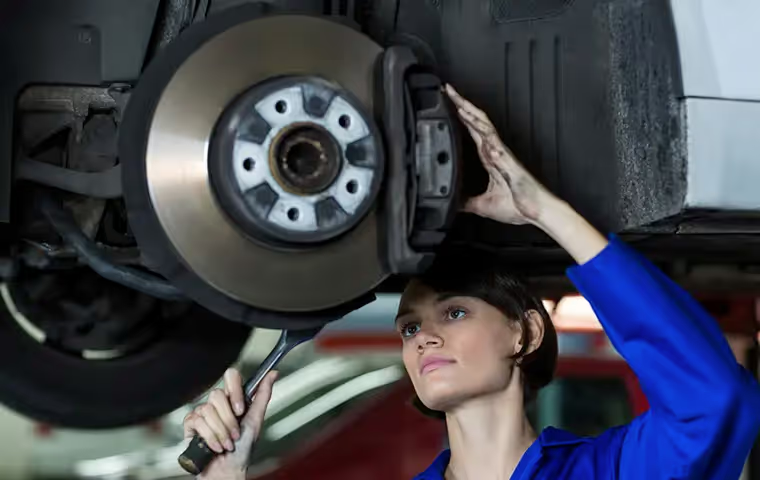
Spotting a puddle under your vehicle is always a cause for concern. While it could be oil or coolant, a slippery, yellowish fluid is a major red flag. It often points to a brake fluid leak—one of the most serious issues your vehicle can have. Ignoring it isn't an option, as it can lead to total brake failure. So, what are the key brake fluid leak symptoms? And what should you do when you confirm your brake fluid is leaking? Let's walk through what you need to know to handle this problem safely and effectively.
What Exactly Is Brake Fluid?
Brake fluid is a type of hydraulic fluid that is integral to your vehicle’s brake system. Whenever you press the brakes, brake fluid helps transmit pressure to each tire’s braking mechanism. Fluid is used because it is non-compressible, meaning that pressure will be equally distributed. So when a brake fluid leak occurs, it reduces the fluid in your brake lines. Furthermore, it introduces air into the system. This may cause problems stopping your vehicle.
Types of Brake Fluid: DOT 3, 4, and 5
Not all brake fluids are created equal, and using the right one is non-negotiable for vehicle safety and performance. The most common types you'll encounter are DOT 3, DOT 4, and DOT 5.1. These are all glycol-based fluids, which means they are hygroscopic—a technical way of saying they absorb water over time. As moisture inevitably finds its way into the brake system, it lowers the fluid's boiling point, which can seriously compromise braking performance, especially under heavy use. There's also DOT 5, a silicone-based fluid that isn't hygroscopic, but it's crucial to know that it cannot be mixed with the more common glycol-based fluids. Sticking to the right type for each vehicle is a simple rule that prevents major headaches down the road.
Key Properties of Brake Fluid
At its core, brake fluid is the unsung hero of your vehicle's braking system. Think of it as the special liquid that makes your vehicle stop when you hit the brake pedal. According to the experts at Wagner Brake, this fluid is what transfers the force from your foot into the pressure that slows the wheels. Because it's a hydraulic fluid, it’s designed to be non-compressible, ensuring that the pressure you apply is distributed evenly and instantly. If the fluid level drops or gets contaminated, the entire system's integrity is at risk. Understanding its key properties is the first step in appreciating why regular checks and maintenance are so important for every vehicle in your fleet.
Hygroscopic Nature and Its Impact on Performance
We touched on the term "hygroscopic," but let's break down why it matters so much. Because glycol-based fluids like DOT 3 and DOT 4 naturally absorb moisture from the atmosphere, their chemical makeup changes over time. This added water significantly lowers the fluid's boiling point. Under the high temperatures generated by heavy or prolonged braking—a common scenario for commercial vehicles—the fluid can boil and create vapor bubbles in the brake lines. Unlike liquid, vapor is compressible, which leads to a spongy brake pedal and a terrifying loss of stopping power. This is why routine fluid flushes are a critical part of any scheduled maintenance program; it’s about removing old, water-logged fluid to keep your drivers safe.
Toxicity and Handling Precautions
While brake fluid is essential for your vehicles, it's also a substance that requires careful handling. As noted by the team at Jiffy Lube, brake fluid is toxic and should be treated with respect. Anyone working with it should wear gloves and safety glasses to avoid contact with skin and eyes. It's also notorious for stripping paint, so any spills on a vehicle's body should be cleaned up immediately with soap and water. For fleet managers, ensuring your technicians follow these safety protocols is just as important as the repair itself. It protects your people and your assets, reinforcing a culture of safety from the shop floor to the open road.
Choosing the Right Fluid for Your Fleet Vehicles
With different types available, how do you ensure you're using the correct one? The golden rule is simple: always use the type of brake fluid recommended by the vehicle's manufacturer. This information is usually printed on the master cylinder reservoir cap or can be found in the owner's manual. Mixing different types, especially glycol-based with silicone-based fluids, can lead to seal deterioration and catastrophic brake failure. Keeping accurate maintenance logs for each vehicle in your fleet tracking platform can help ensure the right fluid is used every single time. This eliminates guesswork and maintains compliance and safety across your entire operation—a small detail that makes a huge difference in real-world performance and driver confidence.
Think You Have a Brake Fluid Leak? Check These Symptoms
So we know what brake fluid is; how do I know if my brake fluid is leaking? Here are some signs you should watch out for:
The Brake Warning Light Comes On
Whenever the brake warning light comes on, you know something is wrong with your brakes. There are four reasons that your brake warning light may come on.
- If you have low brake fluid levels
- If the parking brake/emergency brake is activated
- If you have a problem with the ABS module in your brakes’ anti-lock system
- If you have defective sensors in the brake master cylinder or parking brake.
Don't Forget the ABS Light
Beyond the main brake warning, keep an eye on the ABS (Anti-lock Braking System) light. While it can signal an issue with the ABS module itself, it often lights up due to low brake fluid levels. A leak is a serious problem that can compromise your entire braking system, potentially leading to brake failure. If you spot a puddle of fluid under your vehicle, it's best to have it towed to a repair shop immediately. This warning light might also appear alongside a soft or spongy brake pedal, another tell-tale sign of a leak. When you notice these symptoms, the safest move is to pull over as soon as you can. Ignoring these dashboard warnings puts your drivers and assets at risk, making regular vehicle inspections and proactive maintenance a critical part of any fleet safety program.
You Spot Fluid Puddles Under the Vehicle
Just like the brake warning light, you may see fluid underneath your vehicle for many reasons. Look at the color to determine what kind of leak you have.
- Green-Tinted: coolant leak
- Pink/Red: transmission fluid or power steering fluid
- Brown/Black: engine oil
- Clear/Yellow/Dark Brown: Brake fluid
Whenever you see a puddle under your vehicle, you should take it in for service.
Other Visual Clues to Look For
Beyond a puddle forming directly under your vehicle, it’s smart to check for fluid spots near the wheels. This is often a tell-tale sign of a brake fluid leak. The fluid itself can range from a light yellow to a darker brownish color and will feel slippery or oily to the touch. If you notice this residue on the inside of your tires or around the brake components, it’s a strong indicator that you have a leak. Catching these signs early is a key part of a comprehensive scheduled maintenance program, helping you address issues before they become major safety concerns on the road.
Pay close attention to how your brake pedal feels under your foot. If it suddenly feels soft, spongy, or goes down further than usual when you press it, air has likely entered the brake system through a leak. A properly functioning brake system is a closed hydraulic system, and a change in pedal feel means that integrity has been compromised. This is a critical component of overall driver safety and a warning that should never be ignored. If you experience this, pull over to a safe location as soon as possible and have your vehicle inspected before driving it again.
Common culprits for brake fluid leaks include worn-out brake lines, a failing master cylinder, or leaky wheel cylinders and calipers. While you might be able to spot residue around these parts, diagnosing the exact source of the leak can be tricky. Given the critical role your brakes play in keeping your drivers and cargo safe, any suspected leak warrants an immediate inspection by a qualified mechanic. Taking a vehicle out of service for a repair is always better than dealing with the consequences of brake failure.
A Spongy or Soft Brake Pedal
You know how your brake is supposed to feel when you’ve been driving a vehicle every day. If it suddenly feels less resistant or “mushy,” you know you may have a problem. You’ll notice that braking feels different when you have an issue with the master cylinder, brake booster, or brake fluid levels. If air enters your brake line, it can also cause this feeling. If you pump your brakes several times and you don’t feel hydraulic pressure buildup, you likely have a brake fluid leak.
The Brake Pedal Sinks to the Floor
You’ll also know something is wrong if you step on your brake pedal and it drops all the way to the floor. If this happens before you hit the road, you shouldn’t drive. However, if you’re already driving and experience brake issues, use gear braking. This is when you downshift your gears to slow the car down; when you’re going slow enough, pull the parking brake. Find a safe place to get off the road as soon as possible.
Unusual Noises, Smells, or Sensations
Beyond the feel of the pedal, your other senses can alert you to a brake fluid problem. Listen for any new grinding, squealing, or scraping sounds when you apply the brakes. While some noises can indicate worn brake pads, a change in sound coupled with a soft pedal is a major red flag. You might also notice a burning smell, similar to burnt oil. This can happen if brake fluid is leaking onto hot engine or brake components. As the source from Wagner Brake notes, if you notice any of these signs, especially a different-feeling brake pedal, you need to act immediately. Trust your instincts; you know your vehicle better than anyone. These sensory clues are your vehicle’s way of telling you it needs help before a bigger failure occurs.
Brake Fluid Leak Suspected? Take These Steps Immediately
If you suspect a brake fluid leak, there is no room for guesswork. This is one of the most serious mechanical issues a vehicle can have, as it can lead to a complete loss of braking power. For fleet managers, ensuring every driver knows the exact protocol for this situation is a critical part of maintaining driver safety and managing risk. A driver’s quick, correct response can prevent a catastrophic accident. While preventative measures, like adhering to a consistent maintenance schedule, are the best way to avoid these problems, on-the-road failures can still happen. When they do, every driver should be trained to follow these non-negotiable steps without hesitation. The goal is to get the driver and the vehicle to safety and address the root cause of the problem, not just apply a temporary fix.
Ignoring the signs or taking shortcuts can have severe consequences for your driver, your assets, and the public. The following steps are not just recommendations; they are essential procedures to ensure everyone stays safe. From the moment a leak is suspected, the vehicle should be considered out of service until it has been inspected and repaired by a qualified mechanic. This clear-cut approach removes ambiguity and prioritizes safety above all else. Think of it as an emergency stop procedure for your operations—one that protects your team and your business from the significant fallout of a brake failure incident. Let's walk through exactly what to do.
Step 1: Pull Over to a Safe Location
The very first thing to do is get the vehicle off the road and away from traffic. Signal your intent and carefully maneuver to the shoulder, a parking lot, or a quiet side street. If you’re on a highway, aim for the next exit if it’s extremely close, but prioritize pulling onto a wide, stable shoulder if you feel the brakes degrading quickly. Once you’ve stopped, put the vehicle in park and engage the parking brake. As experts at Jiffy Lube point out, a brake fluid leak is "very serious." Your immediate priority is to remove yourself and the vehicle from the flow of traffic to prevent a potential accident and create a safe environment to assess the situation further.
Step 2: Do Not Drive the Vehicle
Once you are safely stopped, the vehicle must stay put. Even if the brakes seem to work intermittently or the pedal feels slightly better after pumping it, do not attempt to drive to a repair shop or back to the depot. A brake fluid leak means the hydraulic system is compromised. The remaining fluid can be lost suddenly, leading to complete and total brake failure without any further warning. As Wagner Brake’s team confirms, driving with brakes that might not be working correctly puts you and others in danger. It’s a risk that is never worth taking. The vehicle is officially out of commission until it can be professionally serviced.
Why You Must Have the Vehicle Towed
The only safe way to move a vehicle with a suspected brake fluid leak is on the back of a tow truck. The temptation to "limp" it to a nearby mechanic is understandable but incredibly dangerous. A leak signifies a breach in a sealed, pressurized system. Hitting a bump in the road or simply applying the brakes again could be enough to cause a catastrophic failure of a weakened brake line or seal. As Jiffy Lube’s guidance states, you should have your car towed because a leak can cause your brakes to fail completely. Arranging for a tow is the responsible choice that ensures the safety of your driver and everyone else on the road.
Step 3: Resist the Urge to Just Top Off the Fluid
It might seem logical to simply add more brake fluid to the reservoir and carry on. However, this is a dangerous mistake. Topping off the fluid does nothing to fix the leak itself. The new fluid will just leak out, and more importantly, opening the system and letting the level drop introduces air into the brake lines. Air is compressible, unlike brake fluid, which is why a "spongy" pedal is a classic symptom of a leak. Air in the lines prevents the hydraulic pressure needed to stop the vehicle from building up correctly. This means that even with a full reservoir, your brakes will not function properly and can fail when you need them most. The only solution is a full inspection and repair by a professional.
Where Is That Brake Fluid Leak Coming From?
A Leaking Master Cylinder Reservoir
This reservoir is made of plastic. Exposure can cause the plastic to become brittle and eventually crack. Brake fluid will flow down the back of the engine in this case.
Worn Brake Pads or Calipers
Your brake system includes brake pads, rotors, brake shoes, and drums, all of which can wear down as you use your vehicle. When these parts wear out, your caliper piston or wheel cylinder piston may become hyperextended, breaking them and causing a leak.
A Loose or Damaged Bleeder Valve
Bleeder valves are a part of your brake calipers and brake drums. They allow air to be expelled from steel brake lines. If this valve is damaged or loose, brake fluid may leak out.
Failed Caliper Piston Seals
Pistons are an integral part of your brake system. These are moving parts powered by brake fluid. If the seals on the piston that help contain the brake fluid become damaged, it can cause a leak.
Cracked Brake Hoses or Corroded Lines
These are resilient parts of your brake system, but that doesn’t mean they can't suffer from rust, pitting, or tears. If these parts break, you may see brake fluid leaks.
A Leaking ABS Module
We mentioned the ABS module earlier. This pump holds high-pressure brake fluid, and the seals may wear down over time. This will end up causing a brake fluid leak.
Proactive Brake System Maintenance and Repair
The best way to handle a brake fluid leak is to prevent it from happening in the first place. Moving from a reactive repair model to a proactive maintenance schedule is key for any fleet. It not only improves driver safety but also minimizes vehicle downtime and protects your assets. Regular inspections and scheduled servicing help you catch small issues, like worn seals or minor corrosion, before they become major failures on the road. By staying ahead of repairs, you keep your vehicles running reliably and your operations moving forward without costly interruptions.
Recommended Brake Fluid Service Intervals
Brake fluid is the lifeblood of the braking system, transferring the force from the pedal to the wheels. Because this hydraulic fluid is non-compressible, it ensures even pressure is applied every time a driver hits the brakes. However, brake fluid is also hygroscopic, meaning it absorbs moisture from the air over time. This contamination can lower the fluid's boiling point and lead to corrosion of internal components. That’s why it’s crucial to follow the manufacturer's recommended service intervals, which typically suggest a fluid flush every two to three years. Using a scheduled maintenance system helps you track these intervals for every vehicle in your fleet, ensuring this critical service is never overlooked.
The Importance of Bleeding the Brakes After Repair
If a leak occurs or a component like a brake line is replaced, air can enter the system. Air is compressible, which is the exact opposite of what you want in a hydraulic system. This trapped air is what causes a "spongy" or soft brake pedal, as the force you apply is spent compressing air instead of activating the brakes. Simply topping off the fluid won't fix this. The system must be "bled" to purge all the air out. This process ensures that the brake lines are filled only with non-compressible fluid, restoring firm pedal feel and full braking power. It's a non-negotiable final step in any brake repair to guarantee the vehicle is safe to return to service.
Checking for Warranty Coverage on Newer Vehicles
For newer vehicles in your fleet, a premature brake fluid leak might be more than just wear and tear—it could be a manufacturing defect. Leaks often stem from failed seals in the master cylinder, calipers, or ABS module. Before you authorize a repair on a newer asset, it’s always a good idea to check the manufacturer's warranty. A component failure might be covered, which can significantly reduce your operational expenses. Regardless of coverage, a brake fluid leak is a serious safety issue. The vehicle should be taken out of service immediately and towed to a repair facility to prevent complete brake failure and ensure driver safety.
Run a Smarter, Safer Fleet with Azuga
All of these parts can be checked regularly as part of a preventative maintenance program. Azuga’s fleet management system helps you implement preventative maintenance in a simple and streamlined way. Learn more about how Azuga’s maintenance alerts work by speaking with an expert for a demo.
Using Fleet Technology for Scheduled Maintenance
A brake fluid leak is a severe safety hazard that can lead to complete brake failure. You simply can't risk having a vehicle on the road with a compromised brake system. Instead of waiting for a warning light to flash or a driver to report a soft brake pedal, a proactive approach is always the safer, smarter route. This is where technology can be a huge help. Implementing a system for scheduled maintenance allows you to stay ahead of potential problems by creating automated service reminders based on mileage, engine hours, or time. It transforms vehicle care from a reactive scramble into a planned, manageable process, ensuring every truck in your fleet is inspected regularly for issues like worn seals or cracked hoses before they fail on the job.
Frequently Asked Questions
What does brake fluid look and feel like? Brake fluid is typically a light yellow or clear liquid when it's new, but it can darken to a brownish color as it ages and absorbs moisture. It has a distinct, slightly oily or slippery feel to the touch. If you find a puddle with these characteristics under your vehicle, especially near the wheels, it's a strong sign of a brake fluid leak.
My brake warning light is on. Does that automatically mean I have a leak? Not necessarily, but it's a serious warning you shouldn't ignore. The brake light can turn on for several reasons, including low fluid levels (which could indicate a leak), an engaged parking brake, or an issue with the anti-lock braking system (ABS). If the light is on and your brake pedal also feels soft or spongy, the odds of a leak are much higher. The safest action is to pull over and have your vehicle inspected.
Can I just add more brake fluid if I think I have a leak? No, you should never just top off the fluid and keep driving. Adding more fluid doesn't fix the source of the leak, so the new fluid will just escape. More importantly, a leak allows air to enter the brake lines. Air is compressible and prevents your brakes from working correctly, leading to a soft pedal and potential brake failure. The only safe solution is to have the vehicle towed for a professional repair.
What's the difference between a soft brake pedal and one that sinks to the floor? A soft or spongy pedal feels mushy and requires more effort to slow the vehicle down. This usually means air has entered the brake lines through a leak. A pedal that sinks all the way to the floor with little resistance is a sign of a major hydraulic failure, often from a significant leak in the master cylinder or a brake line. Both are extremely dangerous and mean the vehicle should be stopped immediately.
How can I prevent brake fluid leaks in my fleet vehicles? The best prevention is a consistent, proactive maintenance schedule. Brake fluid absorbs moisture over time, which can corrode internal parts and cause seals to fail. Following the manufacturer's recommendation for flushing the brake fluid, typically every two to three years, is crucial. Regular vehicle inspections can also help technicians spot worn hoses, corroded lines, or minor leaks before they become a major failure on the road.
Key Takeaways
- Identify the warning signs of a leak: A brake warning light, a soft or spongy brake pedal, or a slippery, yellowish puddle under your vehicle are all critical indicators of a potential brake fluid leak. Recognizing these symptoms early is the first step to preventing a major failure.
- Prioritize safety above all else: If you suspect a brake fluid leak, pull over to a safe location immediately and stop driving. The only safe next step is to have the vehicle towed for professional inspection; attempting to drive further or just adding more fluid creates a serious risk.
- Adopt a proactive maintenance schedule: The most effective way to handle brake fluid leaks is to prevent them. Using a scheduled maintenance system to track fluid flushes and regularly inspect brake lines, seals, and calipers helps catch small issues before they become dangerous problems on the road.