You’ve likely got solutions in place for fuel, compliance, and maintenance. But what about your most critical asset—your drivers? This is where a modern driver management system comes in. These powerful driver management solutions do more than just track vehicles; they turn data into actionable insights for better driver management. For any commercial fleet, large or small, the benefits are significant. Here are five key advantages you'll gain by implementing the right driver management software.
What is a driver management system?
Just like any other part of your business, good management will help drivers perform at their highest levels. And since drivers can affect every other aspect of your fleet, managing them well is crucial to a successful fleet.
A good driver management system should include several vital features. It should help with training, telematics, compliance, and other aspects of your fleet’s day-to-day operations. Most systems incorporate GPS and fleet telematics in order to give you real-time updates on your drivers. Why is this helpful for your fleet? Read on to find out.
A process for organizing and improving fleet operations
A driver management system isn't just another piece of software; it's a tool that supports a larger strategy for operational excellence. To truly get the most out of your team and your technology, it helps to have a clear framework. Thinking about your fleet's success in terms of a few key pillars can help you organize your efforts and ensure you’re covering all your bases. This approach moves you from simply reacting to daily issues to proactively building a more resilient and efficient operation from the ground up.
The Four Pillars of Fleet Success
Building a top-performing fleet doesn't happen by accident. It’s the result of focusing on four critical areas that work together to create a healthy, efficient, and safe operation. These pillars are stakeholder satisfaction, intentional culture, resource efficiency, and risk management. A comprehensive driver management system provides the data and tools you need to strengthen each one. By focusing on these areas, you create a solid foundation that supports not only your drivers but your entire business, ensuring long-term stability and growth in a competitive landscape.
Stakeholder satisfaction
Your fleet's success is measured by the people it serves. This includes your customers, who expect timely and reliable service, and your drivers, who are the face of your company. A driver management system helps you meet these expectations by providing tools for efficient routing and real-time ETAs, which keeps customers happy. It also gives drivers clear, data-backed feedback and performance metrics, helping them understand their contribution and feel valued. As noted by RTA Fleet, you can measure satisfaction through feedback channels, ensuring everyone's needs are met.
Intentional culture
A strong company culture is built on purpose. It’s about deciding what kind of workplace you want and then actively creating it. For fleets, this often means building a culture centered on safety, accountability, and recognition. A driver management system is key to this process. It provides objective data on driver behavior, which forms the basis for fair and consistent coaching. You can also use it to implement programs that acknowledge top performers, turning good driving into a celebrated achievement. With tools like Azuga’s Driver Rewards, you can actively shape a positive culture that motivates your team.
Resource efficiency
Every fleet operates with limited resources, from fuel and vehicles to time and budget. Making the most of what you have is essential for a healthy bottom line. A driver management system is a powerful tool for improving efficiency across the board. It helps you identify and correct wasteful habits like excessive idling or inefficient routing, leading to significant fuel savings. By automating tasks like logging hours and submitting inspection reports, you also free up valuable time for both drivers and administrative staff, allowing them to focus on more critical work. This is where technology like route optimization becomes a game-changer.
Risk management
Protecting your company, your assets, and your people from harm is a top priority. Effective risk management is about being proactive, not just reactive. Instead of waiting for an accident to happen, a driver management system helps you identify and address risky behaviors before they lead to an incident. By monitoring for actions like harsh braking, rapid acceleration, and speeding, you can pinpoint which drivers may need additional coaching. This proactive approach to driver safety creates a safer environment for your team and the public while protecting your business from potential liability and operational disruptions.
Key Features of a Driver Management System
Now that we’ve covered the strategic pillars of fleet success, let's look at the specific features within a driver management system that make it all possible. These are the tools that transform data into actionable insights, helping you improve safety, streamline administration, and maintain compliance. A robust system integrates several key functions into one platform, giving you a complete view of your driver operations. From advanced safety monitoring with AI to simplified document management, these features are designed to address the real-world challenges fleet managers face every day.
Advanced safety and monitoring
The foundation of any great driver management system is its ability to promote safety. Modern systems go far beyond simple location tracking to offer proactive monitoring tools that identify and correct risky behaviors in real time. By leveraging technology like AI and predictive analytics, these platforms provide a clear picture of what’s happening on the road. This allows you to move from a reactive stance—dealing with incidents after they occur—to a proactive one, where you can coach drivers and prevent accidents before they happen.
AI-powered driver-facing cameras
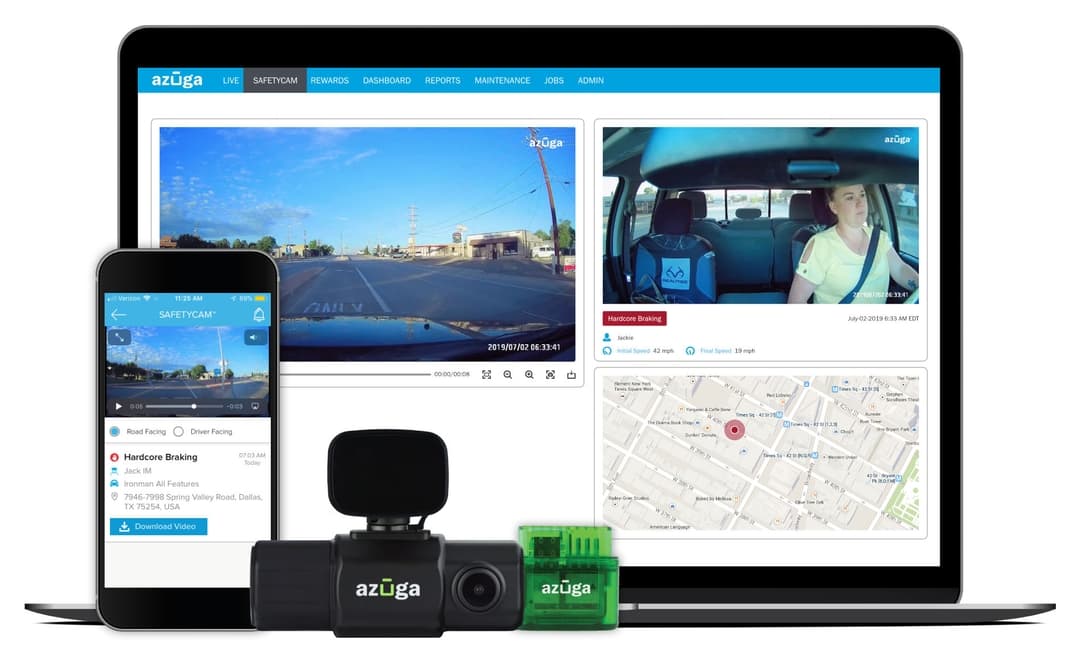
Gone are the days of wondering what caused a harsh braking event. As Fleetio points out, AI-powered cameras can automatically detect behaviors like distracted driving, phone usage, and fatigue. These smart AI dashcams provide objective, video-verified evidence of risky events, which makes coaching conversations much more effective. Instead of relying on assumptions, you can review a short clip with your driver to discuss exactly what happened and how to avoid it in the future, creating a culture of continuous improvement.
Comprehensive driver risk profiles
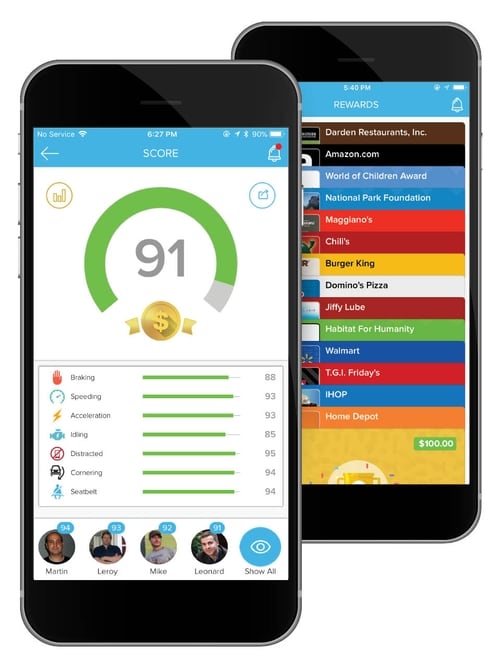
A driver management system collects thousands of data points, from speeding incidents and harsh braking to seatbelt use and signs of distraction. It then synthesizes this information into an easy-to-understand risk profile or safety score for each driver. This allows you to quickly identify which drivers are operating safely and which may need additional support or training. Instead of a one-size-fits-all approach, you can focus your coaching efforts where they’re needed most, making your safety program more efficient and effective.
Predictive driver coaching
The most advanced systems use data to do more than just report on past events—they help predict future ones. By analyzing trends in a driver's behavior, the system can identify patterns that indicate an increased risk of an accident. This predictive insight allows managers to intervene with tailored coaching before an incident occurs. For example, if a driver consistently shows signs of fatigue at the end of their shift, you can address it proactively by discussing schedule adjustments or rest strategies.
Driver and staff administration
Managing your team involves more than just tracking their location; it includes scheduling, vehicle assignments, and defining roles and responsibilities. A good driver management system simplifies these administrative tasks, saving you time and reducing headaches. By centralizing driver information and automating routine processes, you can ensure your operation runs smoothly and that everyone on your team knows exactly what is expected of them. This organization is key to maintaining an efficient and accountable workforce.
Scheduling and time-off management
Coordinating driver schedules and managing time-off requests can be a complex puzzle, especially for larger fleets. A driver management system can provide tools to build and distribute schedules, track availability, and approve time-off requests all in one place. This ensures you always have adequate coverage for your routes and that scheduling conflicts are minimized. It also gives drivers a clear and simple way to view their assignments and request leave, improving communication and transparency.
Driver identification and vehicle assignment
Knowing who is behind the wheel of each vehicle at all times is crucial for accountability. Driver identification technology, such as key fobs or app-based logins, ensures that every trip is assigned to a specific driver. This is essential for accurately tracking performance metrics, assigning responsibility for traffic violations or vehicle damage, and ensuring that only authorized personnel are operating your valuable assets. It eliminates guesswork and provides a clear record of vehicle usage across your fleet.
Customizable user access levels
Not everyone in your organization needs access to the same information. As AUTOsist highlights, a flexible system lets you decide what each user can see and do. You can create custom permission levels so that drivers can view their own performance data, supervisors can monitor their teams, and fleet managers have full administrative access. This ensures that sensitive information is protected while still empowering team members with the data they need to perform their roles effectively.
Compliance and documentation management
Staying on top of regulatory requirements and managing mountains of paperwork is one of the biggest challenges for any fleet. A driver management system digitizes and streamlines these processes, making compliance much simpler. By moving from physical files to a centralized digital hub, you can reduce administrative overhead, minimize the risk of human error, and ensure you’re always prepared for an audit. This automation is critical for maintaining good standing with regulatory bodies like the DOT and FMCSA.
Streamline DOT and FMCSA regulations
For fleets subject to federal regulations, maintaining compliance is non-negotiable. A driver management system with an integrated Electronic Logging Device (ELD) solution automates Hours of Service (HOS) tracking, eliminating the need for paper logs and reducing the risk of violations. The system helps you monitor compliance with ELD mandates and other DOT and FMCSA rules, providing alerts for potential issues so you can address them proactively and avoid costly fines.
Centralized digital document hub
Keeping track of driver licenses, medical certificates, training records, and insurance documents can be a full-time job. A driver management system acts as a digital filing cabinet, storing all these important documents in one secure, easily accessible location. You can set up automated alerts to notify you when a document is nearing its expiration date, ensuring that your driver files are always current and that no one is on the road with an invalid credential.
Trip paperwork and expense processing
The paperwork doesn't stop when a driver hits the road. From bills of lading and proof of delivery to fuel receipts and expense reports, drivers often have to manage a stack of documents for every trip. A driver management system with a mobile app allows drivers to digitize this process. They can capture images of receipts, fill out digital forms, and submit all trip-related paperwork directly from their phone, eliminating the risk of lost documents and speeding up administrative processing.
Operational and trip management
Efficiently managing the day-to-day logistics of your trips is what separates a good fleet from a great one. A driver management system provides the tools you need to plan, execute, and review every job with precision. From ensuring drivers stick to their routes to simplifying vehicle handovers, these features are designed to optimize your daily workflow. This level of operational control helps you improve service delivery, reduce wasted time, and provide a better experience for both your drivers and your customers.
Planned vs. actual time tracking
A plan is only useful if you can measure your performance against it. A driver management system allows you to compare your planned routes and schedules with what actually happened on the road. As noted by RocketFlow, you can track where drivers went and if they encountered delays. This analysis helps you identify inefficiencies, understand the root causes of late arrivals, and refine your future planning for greater accuracy and reliability.
Digital vehicle handover inspections
Pre- and post-trip vehicle inspections (DVIRs) are critical for safety and maintenance, but paper-based reports can be slow and inefficient. A driver management system allows drivers to complete these inspections on a mobile app, guiding them through a checklist and allowing them to attach photos of any identified defects. This digital process ensures that issues are reported instantly to the maintenance team, reducing vehicle downtime and ensuring a safe and seamless handover between drivers.
Real-time arrival notifications
In today's on-demand world, customers expect to be kept in the loop. A driver management system can be configured to send automated notifications to customers when their service vehicle is on the way, providing a real-time ETA and a link to track the driver's progress. This simple feature dramatically improves the customer experience, reduces inbound "Where are you?" calls, and ensures that your customer is ready when your driver arrives, minimizing on-site wait times.
How a Driver Management System Benefits Your Fleet
Implementing a driver management system brings together all these features to deliver tangible benefits across your entire operation. By focusing on safety, you reduce the likelihood of accidents, which protects your drivers and your bottom line. Streamlining administrative and compliance tasks frees up your team to focus on more strategic work, while optimizing daily operations leads to lower fuel consumption and improved productivity. Ultimately, these systems empower you to build a safer, more efficient, and more accountable team, creating a stronger foundation for business growth.
Improve your fleet's safety record
Safety is a top priority for any good fleet manager. You’re not just protecting your workers and equipment. You’re also protecting other drivers on the road. But you can’t be sitting in the cab of each truck every time it hits the road. So how can you effectively know what’s going on in their fleet?
Understanding your drivers’ on-road habits is a good first step toward improving fleet safety. A good driver management system can show you when drivers are exhibiting risky behaviors like hard braking or speeding. But it should also help you award good driving habits to motivate drivers to improve. In fact, 86% of our users say that Azuga has helped them improve the safety of their fleet. And 71% have reported reduced accidents since incorporating our system.
When your GPS tracking system is also tied in with a safety dashcam system, you’ll gain even more insight. An ideal dashcam should show you views both inside the cab and out. This allows you to see how drivers react when something unexpected occurs. And it can also protect them in the event of a crash by providing evidence of fault. You may even see a drop in insurance premiums!
The Three C's of Driving: Care, Caution, and Courtesy
A great way to frame your safety goals is by focusing on the "Three C's" of driving: Care, Caution, and Courtesy. "Care" means your drivers are committed to their own safety and the well-being of others on the road. A driver management system supports this by centralizing performance data, allowing you to provide targeted coaching. "Caution" is all about preventing incidents by avoiding risky behaviors. By tracking metrics like speeding and hard braking, you can help drivers understand where they need to be more cautious. Finally, "Courtesy" involves sharing the road respectfully, which not only reduces risk but also enhances your company's reputation. Implementing a program to improve driver safety reinforces these principles, creating a culture where every driver is a safe and courteous ambassador for your brand.
Increase efficiency and driver accountability
Ever wonder if your drivers are goofing off on company time? Maybe they’re taking the scenic route to get to their destination. Or perhaps you just want to improve efficiency by routing them around construction and traffic in real-time. A good GPS driver management system can help you with all of these concerns and more. We’ve found that 79% of Azuga users say they’ve reduced door-to-door transit time with our help.
But your system should help with efficiency and productivity off the road too. Imagine automating all of those tiresome compliance tasks your drivers do every day. And picture how much time you’ll free up in the office by having reports generated for you in minutes. Not only that, many driver management systems have a built-in predictive maintenance program. This means drivers will have less downtime due to breakdowns and repairs.
Respond to incidents as they happen
It’s hard to manage in hindsight. That is, when you’re always addressing concerns long after they’ve happened, you’ve missed your best opportunities. Effective management happens in real-time. But you can’t be everywhere your drivers are, right?
While it’s certainly true that you can’t be on-site for every incident, you can respond to each of them in real-time. A good driver management system will alert you of trouble as soon as it happens. You’ll know when a driver has mechanical trouble, is in an accident, or otherwise encounters problems on the road. And you’ll be able to respond accordingly. But not only that, a good system will automatically coach your drivers, with in-cab alerts whenever risky behavior occurs.
Keep your best drivers on the road
It’s no secret that good drivers are hard to find. And in today’s increasingly competitive job market, hanging onto talent is more important than ever. You can offer plenty of incentives to keep employees around. But did you know that a good driver management system can help you retain drivers too?
Azuga offers safe driver rewards to motivate positive change in your fleet. The program will give each driver their own safety score, in effect turning safety into a competitive sport. And winners get real benefits in the form of gift cards. In fact, many fleets have found that safe driver rewards programs are one of the most effective ways to retain talent. And 85% of employees feel motivated to perform better with performance-based incentives.
Use telematics data to make better decisions
We call past eras the bronze age, copper age, or industrial age, according to their most valuable advancement. Today is the age of data. If you’re not taking advantage of data and analytics to improve your fleet’s daily operations, you’re going to fall behind. But where to start?
Fortunately, a good driver management program can offer you plenty of valuable data on the fly. Telematics is the combination of telecommunications, vehicle technology, and computer science. And the proper use of data generated by telematics can revolutionize the way your fleet operates.
Reports generated by your driver management telematics can help you improve fuel efficiency. They can give you great insights into maintenance issues. You’ll learn which drivers are most efficient and which could use more training or coaching. And you can also get plenty of other types of reports that are specific to your fleet and industry.
Simplify driver management with Azuga
If this all sounds a bit too complex or expensive, you might be surprised. Our driver management services offer easy plug-and-play installation. And we have plenty of support options to get you started and keep you running smoothly. And the return on investment is substantial. Give our ROI Calculator a try and see how much your fleet can save. Then talk to one of our experts about how Azuga can help you better manage your drivers and improve your fleet’s operations.
Frequently Asked Questions
Is a driver management system just a fancy term for GPS tracking? Not at all. While GPS tracking tells you where your vehicles are, a driver management system tells you how they are being driven and by whom. It combines location data with telematics, driver behavior information, and administrative tools. Think of it as the difference between having a map and having a complete operational playbook that helps you coach drivers, improve safety, and increase efficiency.
My drivers might worry about being watched. How can I introduce this system positively? That's a common and valid concern. The key is to frame it as a tool for their protection and professional development, not just for oversight. Explain how features like AI dashcams can prove their innocence in an accident and how objective data ensures performance feedback is fair and consistent. Highlighting features like driver rewards programs also shows that the system is designed to recognize and celebrate their skill and safe habits.
How does a system like this actually help with driver retention? A good driver management system makes a driver's job better. It reduces administrative headaches by digitizing tasks like Hours of Service logs and vehicle inspection reports. It also fosters a culture of fairness, where coaching is based on objective data rather than assumptions. When you add programs that reward safe driving, you create an environment where skilled drivers feel valued, recognized, and motivated to stay with your company.
Will this system be difficult for my team to learn and use? These systems are designed to simplify work, not complicate it. The hardware is typically a simple plug-and-play device. The software, especially the mobile app for drivers, is built to be intuitive. It guides drivers through necessary tasks like pre-trip inspections or submitting digital paperwork, which ultimately saves them time and reduces the hassle of managing physical documents.
What is the real difference between reactive and proactive safety management? Reactive management means you are responding to an incident, like an accident or a traffic violation, after it has already happened. Proactive management uses data to prevent those incidents from occurring in the first place. By analyzing patterns in driver behavior, such as speeding or signs of fatigue, the system helps you identify risks and provide targeted coaching before a negative event takes place. It’s about preventing problems, not just cleaning them up.
Key Takeaways
- Go Beyond Tracking: View your driver management system as a strategic tool for building a successful operation by improving efficiency, shaping a positive culture, and proactively managing risk.
- Make Safety Proactive, Not Reactive: Use features like AI dashcams and driver safety scores to identify risky behaviors and provide targeted coaching before an incident happens.
- Increase Accountability and Retention: Simplify administrative work and compliance, then use the objective data to build fair performance metrics and reward programs that motivate and keep your best drivers.