We’ve come a long way from circling locations on a paper map. Digital maps and GPS were a huge leap forward, but they still have their limits. They can show you the shortest path, but they don’t understand the complex needs of a commercial fleet. They don't account for multiple stops, driver availability, or specific delivery time windows. The next step in this evolution is ai-driven route planning. Think of it as a strategic partner, not just a map. It learns from your fleet’s past performance and analyzes real-time data from ai fleet tracking to build routes that are truly optimized for your unique business needs.
What is AI-Driven Route Planning?
AI is revolutionizing routing in remarkable ways. By leveraging a massive amount of useful data, AI in fleet route planning easily increases your fleet’s efficiency and adaptability. Here's how:
- Data-Driven Route Optimization: AI analyzes extensive data, including traffic patterns, weather conditions, and road works. This helps in identifying the most efficient routes, leading to reduced travel time and increased on-time deliveries.
- Real-Time Adjustments: In case of unexpected roadblocks, AI quickly recalculates to find alternate routes. This agility keeps fleets on the move, minimizing delays.
- Predictive Analysis: AI goes beyond current data; it can forecast future conditions like rush hour traffic or adverse weather. This predictive power helps you be proactive in your route planning, avoiding potential hold-ups before they occur.
In short, AI transforms fleet route planning into a dynamic, data-driven process. It's not just about finding a route; it's about finding the best route every time.
The Trouble with Traditional Route Planning
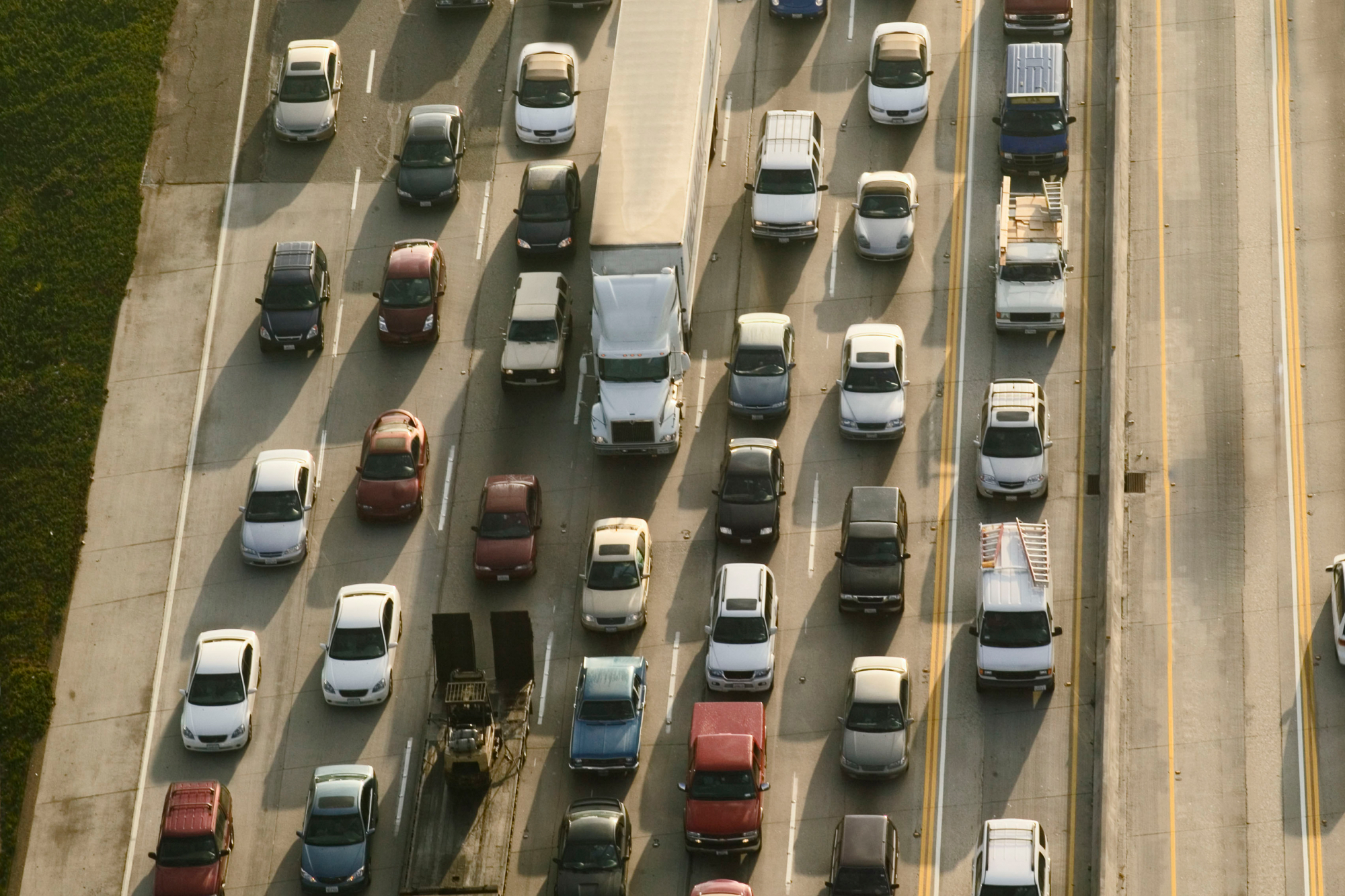
If you've ever relied on paper maps or basic digital mapping tools, you know the frustration. A route that looks perfect in the morning can fall apart by noon. Traditional route planning methods are static; they can't keep up with the dynamic nature of a day on the road. This rigidity often leads to longer travel times, increased fuel consumption, and a lot of unnecessary headaches for both drivers and managers. For fleets juggling multiple vehicles, tight schedules, and customer expectations, these older approaches simply create more problems than they solve.
Inability to Adapt in Real-Time
The biggest drawback of older routing methods is their inability to handle the unexpected. A planned route is only as good as the conditions at the moment it was created. As one industry report notes, these methods "can't change routes quickly when things like traffic or road closures happen." An accident, a sudden downpour, or an unscheduled construction project can bring a driver to a standstill. This leaves your team stuck, burning fuel, and falling behind schedule, with no immediate, intelligent alternative to follow. Effective fleet tracking helps you see these delays as they happen, but without dynamic routing, you're just watching the problem unfold.
Struggles with Scale and Complexity
As your fleet grows, the complexity of routing multiplies. Manually planning for a handful of vehicles is one thing, but managing dozens or even hundreds of stops is a massive challenge. Traditional methods "can't handle big tasks effectively," often resulting in routes that waste time and fuel. Trying to account for vehicle capacity, driver availability, service windows, and other variables by hand is a recipe for inefficiency. This is where smart route optimization becomes essential, handling complex calculations in seconds to produce the most efficient plan for your entire operation.
How Machine Learning Improves Route Efficiency
Machine learning learns from past trips, figuring out what works best and what doesn't. This means it continually gets better at picking the fastest routes over time. Many companies have already used machine learning fleet routes to make their deliveries quicker and more efficient. They take advantage of machine learning’s ability to help fleets travel smarter, saving both time and money.
The Core Process: From Data to Destination
So, how does an AI system actually build a better route? It all starts with data. AI-powered route optimization works by gathering and analyzing a huge amount of information. Think of it as a super-smart navigator that considers everything at once. It looks at delivery addresses, vehicle capacity, traffic conditions, and even historical trip data to spot patterns. According to FarEye, this process uses "past patterns, and real-time information to make smart decisions." The AI then processes all these variables to find the most efficient path, creating a route that saves time and fuel while ensuring you meet your deadlines. It’s a continuous cycle of learning and adapting to deliver the best results.
Key AI Techniques Explained
Behind the scenes, AI uses several clever methods to sort through all the possible routes and find the optimal one. These aren't just simple calculations; they are advanced techniques that mimic problem-solving and learning processes. Understanding a couple of these key methods can help you appreciate just how powerful this technology is. Two of the most common techniques used in route optimization are genetic algorithms and machine learning models. Each plays a unique role in turning a complex puzzle of stops and variables into a simple, efficient plan for your drivers to follow.
Genetic Algorithms and Reinforcement Learning
Genetic algorithms sound complicated, but the idea is inspired by nature. As FarEye explains, "They try many route options, pick the best ones, and combine them to create even better routes over time." Essentially, the system generates a set of routes, tests them against your goals (like shortest time or lowest fuel use), and then "breeds" the best ones to create a new, superior generation of routes. Another method is reinforcement learning, where the AI learns from experience. An AI agent, like a virtual delivery vehicle, tries different routes and gets feedback—rewards for good choices and penalties for bad ones. This helps it learn and adapt to changing conditions on its own.
Machine Learning Models for Prediction
Machine learning focuses on using historical data to predict the future. By analyzing past trips, the system can forecast things like traffic hotspots at certain times of day or estimate how long a specific delivery might take. This predictive ability is a game-changer for planning. Instead of just reacting to what's happening now, you can proactively build routes that avoid likely delays. This is where having robust fleet tracking data becomes incredibly valuable, as it feeds the machine learning models the information they need to make smarter and more accurate predictions for future routes.
Managing Real-World Constraints
A route on a map is one thing, but real-world driving is another. This is where AI truly shines. It’s designed to handle the countless constraints that fleet managers juggle every day. The system considers vehicle size, load capacity, driver hours, delivery windows, and customer-specific requirements. As noted by Lumenalta, AI systems "figure out the best routes, considering things like fuel use, delivery time, and driver actions." If a road is suddenly closed or a new high-priority job comes in, the system can instantly re-optimize routes for all affected vehicles. This ability to manage thousands of variables and adapt to changes in real-time is what sets AI-driven planning apart from traditional methods.
Why Use AI for Fleet Route Planning?
The benefits of AI and machine learning in fleet routing are all-encompassing. Here are the top ones:
- Cost Savings: By picking the best routes, AI and machine learning help save money on fuel and maintenance. This is because shorter and smarter routes mean less wear and tear on vehicles.
- Time Efficiency: These technologies make routes faster and more direct. This leads to quicker deliveries and less time spent on the road.
- Reduced Environmental Impact: Smarter routing means less driving. This helps in reducing the pollution and carbon footprint of the fleets, making them more eco-friendly.
- Enhanced Safety: AI and machine learning can also predict and avoid risky situations on the road. This makes the trips safer for the drivers and everyone else on the road.
Improve Operational Efficiency
AI-powered route optimization is all about making your operations run smoother. It uses machine learning to analyze huge amounts of information, like delivery addresses, vehicle capacity, traffic conditions, and even weather forecasts. By considering all these factors at once, the system identifies the most efficient path for every vehicle in your fleet. This isn't just about finding the shortest distance; it's about finding the smartest route that minimizes fuel consumption, reduces idle time, and avoids potential delays like traffic jams. This is where a dedicated tool for route optimization becomes essential, helping your team complete more jobs in less time without the manual guesswork.
Enhance Customer Satisfaction with Accurate ETAs
Happy customers are the cornerstone of any successful service business, and a big part of that is managing their expectations. AI-driven routing systems provide incredibly accurate Estimated Times of Arrival (ETAs) by continuously analyzing real-time data. If a driver hits unexpected traffic, the system instantly recalculates the ETA and can even update the customer. This transparency builds trust and significantly improves the customer experience. Instead of giving wide, unreliable delivery windows, you can provide precise updates. This level of fleet tracking shows your customers you value their time, setting your business apart from the competition.
Common Applications and Features
AI-driven route planning isn't just for giant shipping corporations. It's a practical tool with features that help businesses of all sizes work smarter. From delivery services to field maintenance crews, companies are using this technology to streamline their operations. Let's look at who's using this technology and the key features that make a real difference in daily operations, helping teams become more efficient and reliable on the road.
Who Uses AI for Route Planning?
A wide range of industries rely on AI to get their vehicles and teams where they need to be. Large delivery companies use it to make their routes faster and more fuel-efficient. But it’s just as valuable for local field service businesses, like plumbing, HVAC, and electrical companies, that need to get technicians to job sites on time. Construction and landscaping crews use it to coordinate vehicle movements between sites, while logistics and trucking fleets depend on it for long-haul planning. Any business with vehicles on the road can use AI to improve its route optimization and ensure timely service.
Essential Software Features
Modern AI-powered software is much more than a digital map. It acts as a central command center, using machine learning to analyze real-time information. The system considers live traffic, weather forecasts, historical delivery times, and other dynamic factors to calculate the most efficient path for every trip. But the best platforms go beyond simple directions. They integrate a suite of tools designed to manage the entire fleet operation, offering features that improve safety, maintain vehicle health, and provide greater control over your assets while they are in the field.
Driver Performance Monitoring
Safety is always a top priority. AI can support a safer fleet by monitoring driving habits and providing constructive feedback. The system can identify patterns like speeding, harsh braking, or rapid acceleration, offering opportunities for coaching and improvement. This proactive approach helps create a strong driver safety culture, reducing the risk of accidents and protecting your team and vehicles. It’s not about watching over their shoulder; it’s about giving drivers the information they need to perform their best and stay safe on the road.
Predictive Maintenance Alerts
Unexpected vehicle breakdowns can bring operations to a halt. AI helps prevent this by predicting when vehicles might need service. By analyzing engine diagnostics, mileage, and usage patterns, the system can flag potential issues before they become serious problems. This allows you to schedule maintenance proactively, minimizing downtime and avoiding expensive roadside repairs. With scheduled maintenance alerts, you can keep your fleet in top condition and ready for the job.
Geofencing Capabilities
Geofencing allows you to set up virtual boundaries around real-world locations, like job sites, yards, or restricted areas. The system can then send automatic alerts when a vehicle or piece of equipment enters or leaves a designated zone. This is incredibly useful for confirming arrival times, preventing unauthorized vehicle use, and improving security. For businesses that manage valuable equipment, geofencing is an essential part of a robust asset management strategy, giving you peace of mind and greater control over your operations.
What to Consider Before Using AI for Routing
When it comes to any new technology, we don’t want to just jump in without thinking. As with any new development, there are some challenges to think about:
- Integration with Existing Systems: It can be tricky to fit these new technologies into the systems that companies already use. Consider the system you have. Will it welcome AI integration? If not, you might want to wait before using AI, or factor in the costs of upgrading your system.
- Data Privacy and Security: AI and machine learning use a lot of data. Keeping that data safe should be a top priority. Companies need to protect this information from getting into the wrong hands.
- Need for Continuous Improvement and Updates: These technologies keep changing and getting better. This means you’ll need to perform continuous updates to see improvement and get the best results.
What's Next for AI in Fleet Routing?
The future of fleet routing with AI and machine learning is bright and full of potential. As these technologies evolve, we can expect even more advancements. Some things to look forward to:
- Even smarter route planning
- More accurate traffic predictions
- Better integration with various fleet management systems
The impact on the fleet management industry will be significant. We'll likely see a shift towards more automation, where decisions are made faster and with greater accuracy. This will not only improve efficiency but also enhance the overall experience of fleet management. Businesses that adopt these technologies early will find themselves at a competitive advantage, leading the way in innovation.
Integration with IoT Devices
Looking ahead, AI routing will become even more connected by tapping into a network of Internet of Things (IoT) devices. Think of vehicle sensors, traffic cameras, and even weather stations all feeding information to your routing system in real time. Imagine a route being automatically updated because a traffic camera spots an accident or a weather sensor detects icy conditions on a bridge. The AI can then instantly adjust the route to avoid delays or dangerous roads. This means your fleet isn't just following a pre-planned path; it's navigating a live, ever-changing environment with the best possible information, keeping drivers safe and on schedule.
Planning for Autonomous Vehicles
As the industry moves toward autonomous vehicles, AI’s role becomes absolutely essential. For self-driving trucks and delivery vans to operate effectively, they need more than just a map. AI will serve as the brain behind their operations, planning their routes with incredible precision and safety in mind. It will process countless variables, from road regulations specific to autonomous travel to the location of charging stations for electric fleets. This goes beyond simply suggesting a path; it involves orchestrating the vehicle's entire journey to ensure it is both safe and efficient without direct human input.
The Rise of Conversational AI
The way we interact with technology is also changing, making powerful tools more accessible. With conversational AI, a fleet manager could simply type or speak a request like, "Find the best multi-stop route for my three technicians this afternoon, avoiding toll roads." Some platforms are already integrating their tools with conversational interfaces like ChatGPT, allowing users to build an optimal route using simple, everyday language. This shift removes the complexity from sophisticated route optimization, making it easier for managers to streamline their daily operations without a steep learning curve.
Plan Smarter Routes with Azuga's AI
AI and machine learning are transforming the way fleets plan their routes. They offer smarter, more efficient paths and are revolutionizing the industry. Adopting these innovative technologies can help companies stay ahead in this fast-evolving field.
Azuga is at the forefront of this transformation, leading the way in fleet innovation. Our advanced fleet routing technology, Azuga Routes, is one of our best innovations. To learn more and see the difference for yourself, try a demo of Azuga Routes today!
Frequently Asked Questions
How is AI route planning different from the GPS apps I already use? Think of standard GPS apps as tools for getting one vehicle from point A to point B. AI route planning is a strategic system for your entire operation. It considers all your vehicles, all their stops, and all the unique rules of your business, like delivery windows, vehicle capacity, and driver availability. It then calculates the most efficient plan for the whole fleet, not just a single driver.
My business is small. Is this technology too complex or only for large fleets? Not at all. This technology is valuable for fleets of any size. The goal of AI routing is to manage complexity, not create it. For a smaller business, it can help you get more done each day without needing to hire a dedicated dispatcher. It automates the difficult work of planning so you can focus on serving your customers and growing your business.
Can AI routing handle unexpected changes during the day, like a new job or a road closure? Yes, and this is one of its biggest strengths. Traditional routes fall apart when something unexpected happens. An AI-powered system, however, can adjust on the fly. When a new job comes in or a driver hits a major traffic jam, the system can instantly recalculate the most efficient path for that driver and even re-optimize the routes for other nearby drivers if needed.
What kind of information does the AI use to create these routes? The system gathers a wide range of data to build the smartest routes. It analyzes real-time traffic, historical trip data to understand how long certain stops usually take, vehicle types, and specific job constraints like service windows. By processing all these variables together, it finds patterns and creates a plan that is much more efficient than what a person could create manually.
Besides better routes, what other benefits can I expect from this kind of system? A great route planning platform does more than just create a schedule. It often includes tools that help you run a safer and more reliable operation. For example, you can get insights into driver performance to coach safer habits, receive alerts for upcoming vehicle maintenance to prevent breakdowns, and use geofencing to get automatic notifications when crews arrive at a job site.
Key Takeaways
- Adapt to real-world conditions: AI-driven routing moves beyond static maps by analyzing live traffic, weather, and other variables to adjust routes on the fly, ensuring your drivers always have the most efficient path.
- Improve efficiency and customer trust: By creating smarter routes, you reduce fuel consumption and idle time. This technology also generates accurate ETAs, which helps you manage customer expectations and build a reputation for reliability.
- Use a fully integrated system: The best routing software connects with other essential fleet tools. Features like driver safety monitoring, predictive maintenance, and geofencing work together to support a safer and more productive operation.