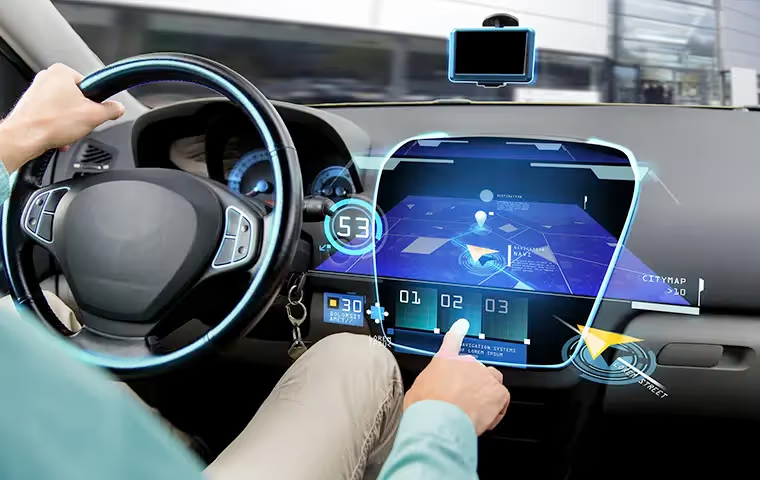
AI is more than just a buzzword; it's a powerful tool that's already transforming the industry. If you're dealing with mountains of data from GPS, diagnostics, and dashcams, you know how hard it is to find real insights. This is where AI fleet management comes in. It acts as the brain of your operation, making sense of complex information. You might be surprised to learn you're already using AI in fleet management. Here are some real-world examples of how this technology is helping fleets like yours improve safety and run more efficiently.
How AI Delivers Real-Time Fleet Insights
AI can collect data and analyze it in real time. This data includes your vehicle’s location, status, and movement. You can use this data for various fleet purposes, from improving fuel efficiency to boosting safety. When your system detects an issue, it can send you an alert as it’s happening so you can address the problem right away. That means you can prevent accidents or misuse of vehicles before you lose time, money, or worse.
Unify Your Fleet Data
Managing a fleet means juggling information from many different sources. You might have data from GPS trackers, fuel cards, maintenance logs, and dashcams all stored in separate places. AI-powered platforms act as a central hub, bringing all this scattered information together. Instead of switching between multiple systems, you get a single, comprehensive view of your entire operation. This unified approach connects dots you might have missed, showing how vehicle tracking data impacts fuel consumption or how driving behavior relates to maintenance needs. It simplifies complexity and gives you a clearer picture of your fleet's health and performance.
Get Answers Instantly with an AI Copilot
Imagine having a smart assistant who knows everything about your fleet and can answer any question you have instantly. That’s the power of an AI copilot. Instead of spending hours searching through spreadsheets or reports, you can simply ask questions in plain English, like, "Which drivers had harsh braking events this week?" or "Show me the most fuel-efficient routes from yesterday." The AI sifts through all your unified data to give you a direct answer. This technology helps you address small issues before they escalate, turning reactive problem-solving into proactive fleet safety and management.
Predict Your Fleet's Maintenance Needs with AI
With AI, you can more easily keep track of your vehicles’ maintenance needs. These algorithms track your vehicles’ use patterns and use real-time sensor data to identify even minor signs of wear and tear. This helps you identify problems before they become bigger and more expensive.
The AI technology collects data from your vehicle’s OBD II system and recommends what actions you can take to correct them. This might include anything from replacing brake pads to changing your engine oil. Whatever you need to do, AI can help you get it done before your vehicles break down on the road and create a bigger problem than ever.
Create Smarter Routes with AI Fleet Management
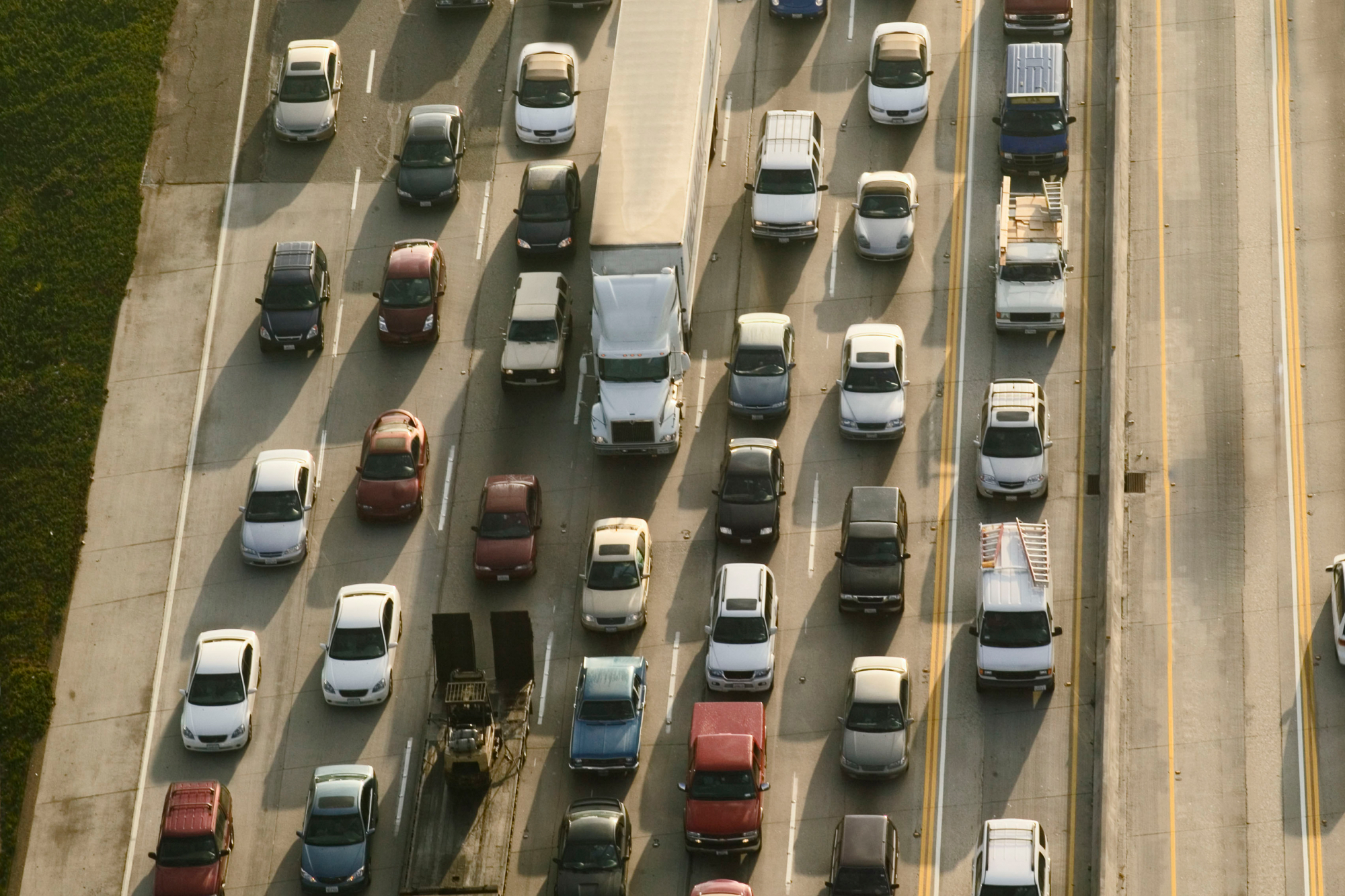
Route planning software is becoming massively popular for fleet managers. The technology helps drivers get from Point A to Point B in the most efficient way possible, saving the most time and fuel. Route planning software factors in weather, traffic patterns, availability of vehicles, and even construction zones and other delays.
With this powerful software, you can adjust routes whenever needed, and AI can handle it in minutes. AI will also automatically adjust routes if an unexpected delay comes up, like a road closure. If you spend tons of time manually planning routes, you can use your time more efficiently by investing in route planning software.
Reduce Your Fleet's Environmental Impact
AI technology is a powerful tool for making your fleet operations more sustainable. By analyzing driving patterns, AI can pinpoint fuel-wasting habits like excessive idling, speeding, and harsh braking. Addressing these behaviors not only improves driver safety but also significantly cuts down on fuel consumption and vehicle emissions. Combined with optimized routing that minimizes unnecessary mileage, AI helps your fleet reduce its carbon footprint. This approach allows you to meet environmental goals more easily, showing a commitment to sustainability while also running a more efficient operation.
Improve Driver Safety with AI-Powered Coaching
You always want to ensure your drivers are safe on the road, but you can’t be in the passenger seat with them. Luckily, AI can help with that too. AI-powered telematics devices can help you track unsafe driving behaviors like speeding, hard braking, harsh cornering, and distracted driving. You may see AI power in devices like dash cams and speed sensors.
AI isn’t just for finding problems — it’s for helping you coach drivers to improve their behavior. By providing context to when, where, and how issues occur on the road, you can more easily pinpoint the cause of your driver’s bad habits and provide better training to eliminate the problem.
Implement Fairer Driver Scoring
Traditional driver scoring can sometimes feel subjective, but AI introduces a level of objectivity that makes the process fairer for everyone. AI-powered systems analyze a wide range of data points beyond just speed or braking. As noted by industry experts, AI can consider factors like weather, road type, and speed limits to create a more complete and accurate picture of driver performance. This means a driver navigating a steep, winding road in the rain is evaluated differently than one on a flat, dry highway. This nuanced approach helps remove unconscious bias from evaluations and provides a more equitable system for your entire team.
This detailed analysis also provides incredible coaching opportunities. Instead of just pointing out a mistake, you can show drivers the exact context of an event using data and even video from an AI dashcam. This helps them understand what happened and how to improve. When drivers feel the scoring system is fair and designed to help them succeed, it fosters trust and encourages safer habits. It also allows you to build reward programs, like Azuga’s Driver Rewards, based on objective data, recognizing and retaining your safest and most efficient drivers.
Streamline Operations and Improve Efficiency
Beyond safety and routing, AI is a powerful tool for making your entire fleet operation run more smoothly. Think of it as an extra set of eyes that can process thousands of data points in seconds, identifying patterns and opportunities for improvement that would be nearly impossible to spot manually. According to Geotab, AI helps make fleet operations "smoother, safer, and cheaper" by turning raw data into actionable insights. This allows you to make smarter decisions about everything from vehicle allocation and dispatching to fuel management and asset utilization.
By continuously analyzing your fleet's performance, AI helps you get the most out of every vehicle and every driver. It can pinpoint underutilized assets, identify vehicles that are due for service before they break down, and find small inefficiencies that add up over time. This proactive approach to fleet management means less downtime, better resource planning, and a more resilient operation overall. The result is a more efficient fleet that can handle daily demands and unexpected challenges with greater ease.
Detect and Prevent Fraudulent Activity
Protecting your company’s assets is a top priority, and AI can be a significant ally in this effort. It works tirelessly in the background to monitor for unusual activity that might indicate fraud. For example, AI algorithms can analyze fuel card usage and cross-reference it with a vehicle's location and engine data. If a fuel purchase is made while the vehicle is miles away or the engine is off, the system can flag it as a potential case of misuse. This constant vigilance helps you catch discrepancies quickly.
This capability extends beyond just fuel. AI can also detect unauthorized vehicle use by flagging trips that occur outside of work hours or designated service areas. By "constantly checking data like fuel use and driver behavior to find anything unusual," as Geotab explains, AI helps you protect your assets from internal and external threats. This automated detection system allows you to address issues directly and prevent small problems from becoming larger financial drains on your business.
Simplify Regulatory Compliance
Staying on top of regulatory requirements can be a major administrative burden, but AI helps automate much of the process, reducing both paperwork and stress. For fleets that must adhere to Electronic Logging Device (ELD) mandates, AI ensures that Hours of Service (HOS) are logged accurately and automatically. This eliminates the need for manual paper logs, which are prone to human error, and helps ensure your drivers are always in compliance. This automation is key to avoiding costly fines and violations during roadside inspections.
AI's role in compliance goes beyond just ELDs. The technology "automatically collects data to help fleets meet safety rules, reduce pollution, and follow electronic logging device (ELD) laws," according to Geotab. This means your system can help you track vehicle emissions, maintain inspection records, and generate the reports needed to prove compliance. By handling the data collection and organization for you, an AI-powered compliance management system frees up your team to focus on their core jobs.
Automate Repetitive Tasks
One of the most immediate benefits of integrating AI into your fleet management is its ability to take over time-consuming, repetitive tasks. Think about all the hours spent on manual data entry, generating daily reports, or creating maintenance schedules. AI can handle these duties automatically, freeing up your fleet managers and administrative staff to focus on more strategic work. For instance, AI can automatically log trip details, categorize expenses, and compile performance reports with consistent accuracy.
This automation also extends to more complex tasks, like scheduling maintenance. Instead of relying on a simple mileage counter, AI analyzes vehicle usage patterns, engine diagnostics, and even the types of roads a vehicle frequently travels on to predict when service is truly needed. This ensures vehicles are maintained at the optimal time, preventing both premature servicing and unexpected breakdowns. By automating these essential but routine processes, you create a more efficient workflow for your entire operation.
How AI Helps Attract and Retain Top Drivers
In a competitive market, attracting and keeping skilled drivers is more important than ever. While technology is often seen as a tool for monitoring, AI can actually be used to create a more positive and supportive work environment that drivers appreciate. It’s about more than just efficiency; it’s about showing your team that you value their time and well-being. As the experts at aifleet note, "Driver appreciation should be ongoing, not just once a year." AI provides the tools to build that appreciation into your daily operations.
By implementing fairer scoring systems, providing objective coaching, and reducing daily frustrations, you can build a culture that drivers want to be a part of. AI-powered systems can also enable driver rewards programs that recognize safe and efficient performance in real time, offering positive reinforcement that builds morale. When drivers feel respected, supported, and equipped with tools that make their jobs easier, they are more likely to stay with your company for the long haul. This focus on the driver experience is a key differentiator in retaining top talent.
Minimize Driver Wait Times
Few things are more frustrating for a driver than unproductive wait times, whether at a loading dock, a job site, or in traffic. AI-powered route optimization and smart dispatching directly address this issue. The system analyzes traffic patterns, delivery windows, and even historical data from specific locations to create schedules that minimize delays. If an unexpected traffic jam occurs, the AI can instantly recalculate the route and update the driver, keeping them moving and productive.
This focus on efficiency has a direct impact on a driver's day and their earnings potential. As aifleet points out, technology that helps "cut down on waiting times" leads to "a better experience for drivers." When your drivers can complete their routes more efficiently, they spend less time sitting still and more time on the road. This not only reduces frustration but also allows them to complete more jobs, which benefits both the driver and the business. Using an intelligent routing system shows your drivers that you respect their time.
Create a Better Work Environment
A positive work environment is built on a foundation of respect, efficiency, and support. AI contributes to this by removing many of the small, daily frustrations that can wear drivers down. Automated tools like a fleet mobile app can handle tedious tasks like logging hours and conducting vehicle inspections, allowing drivers to focus on the road. When technology simplifies their administrative duties, it reduces their mental load and makes their job less stressful.
Ultimately, AI helps solve the challenge of driver shortages by fostering "a better lifestyle and work conditions," as noted by aifleet. When you use technology to create smarter routes, reduce wait times, and provide fair, constructive feedback, you are actively investing in your drivers' well-being. This commitment to creating a better work experience doesn't go unnoticed. It builds a reputation as a great place to work, making it easier to attract new talent and, more importantly, retain the valuable drivers you already have.
Choosing the Right AI for Fleet Management
With so many options available, selecting the right AI-powered fleet management solution can feel overwhelming. The key is to find a platform that not only offers advanced features but also aligns with your specific business goals. Whether your priority is improving safety, increasing efficiency, or simplifying compliance, the right AI tool should feel like a natural extension of your team. It’s important to look beyond the buzzwords and focus on what the technology can actually deliver for your day-to-day operations.
When evaluating different systems, look for core features that provide tangible benefits. According to Geotab, essential features include the "ability to analyze data in real-time" and "smart prediction tools." This means the platform should be able to give you immediate insights into what’s happening with your fleet and also help you anticipate future needs, like maintenance or potential safety risks. A solution that offers a comprehensive, end-to-end platform for GPS tracking, safety, and maintenance will provide the most value and give you a unified view of your entire operation.
Key Features of an Effective AI Platform
An effective AI platform should act as a central hub for all your fleet data. Instead of juggling multiple systems for tracking, video, and maintenance, a unified platform brings everything together in one place. As described by Tourmo, a leading platform "brings together all your fleet's data, like vehicle tracking, video, fuel, and maintenance information." This integration is crucial because it allows the AI to see the big picture and draw more accurate conclusions. For example, it can connect a hard-braking event from a dashcam with a specific location from GPS data to provide full context.
When looking for a solution, prioritize key features like real-time GPS tracking, dual-facing AI dashcams that monitor both the road and the driver, and predictive maintenance alerts. The platform should also offer robust reporting and analytics that are easy to understand, so you can quickly track progress toward your goals. Finally, ensure the system is user-friendly for everyone, from the fleet manager in the office to the driver on the road, to encourage adoption and maximize its benefits.
Enhance Your Existing Systems, Don't Replace Them
One of the biggest concerns when adopting new technology is the fear of having to start from scratch. The good news is that the best AI fleet management solutions are designed to work with what you already have. A major benefit of a modern platform is that it "works with your existing systems, so you don't have to buy all new hardware or software," as Tourmo highlights. This means you can integrate advanced AI capabilities without the disruption and significant investment of a complete system overhaul.
This approach allows you to enhance your current operations rather than replace them. For example, an AI platform can pull data from your existing fuel cards, maintenance logs, or even OEM telematics systems embedded in your vehicles. By layering AI intelligence on top of your current infrastructure, you can start benefiting from advanced analytics and automation much more quickly. This makes the transition smoother and allows you to build on the investments you’ve already made in your fleet technology.
Build a Smarter, Safer Fleet with Azuga AI
All of the technology we’ve listed here isn’t far off in the future. Azuga has it available now as part of our comprehensive fleet management solution. Our technology can help you achieve your fleet goals, no matter what they are. Ready to take your fleet further? Join 400,000+ drivers using Azuga to track smarter, drive safer, and run more efficiently. Schedule Your Free Demo → | Calculate Your Savings →
Frequently Asked Questions
My fleet already uses GPS tracking. How is AI different? Think of standard GPS tracking as a map that shows you where your vehicles are. AI fleet management is like having an expert analyst sitting next to that map, explaining what the data actually means. Instead of just seeing a location, AI connects that location with driver behavior, vehicle health, and traffic conditions to give you a complete picture. It moves beyond simple tracking to provide predictive insights, helping you understand why an event happened and how to prevent it in the future.
How can I introduce AI tools like dashcams without making my drivers feel micromanaged? This is a common concern, and the key is to frame the technology as a tool for support, not surveillance. Focus on the benefits that directly help your drivers, such as exonerating them in accidents where they aren't at fault. Explain how objective data from AI creates a fairer scoring system and provides specific, helpful coaching opportunities. When drivers see the technology is there to make their jobs safer and their performance evaluations more equitable, it fosters trust rather than resistance.
Does implementing an AI system mean I have to replace all my existing fleet technology? Not at all. A well-designed AI platform is built to enhance the systems you already use, not force a complete overhaul. It can integrate with your existing hardware and software, like fuel cards, maintenance logs, and even the telematics systems built into your vehicles by the manufacturer. This approach allows you to layer powerful analytical capabilities on top of your current setup, so you can gain new insights without disrupting your entire operation.
How exactly does AI predict maintenance needs before a breakdown happens? AI acts like a proactive mechanic by constantly analyzing data from your vehicle's onboard diagnostic system. It tracks everything from engine hours and mileage to subtle changes in performance that might go unnoticed. By recognizing patterns that often lead to specific mechanical failures, the system can alert you to a potential issue, like a weakening battery or wearing brake pads, long before it causes a breakdown. This allows you to schedule service at a convenient time instead of dealing with an emergency on the road.
Beyond routing and safety, what are some of the less obvious benefits of using AI? AI is fantastic for streamlining the administrative side of fleet management. It can automate many repetitive tasks, such as logging Hours of Service for compliance, generating fuel efficiency reports, and scheduling routine maintenance. It also serves as a powerful tool for asset protection by detecting unusual activity, like a fuel purchase made far from a vehicle's location, which could indicate fraud. These efficiencies free up your team to focus on more strategic work.
Key Takeaways
- Adopt a proactive approach with AI: Use predictive maintenance to prevent breakdowns, optimize routes in real time to avoid delays, and automate compliance to reduce administrative burdens.
- Enhance driver safety and satisfaction: Implement AI for fair driver scoring and targeted coaching, creating a supportive environment that helps retain top talent.
- Make data-driven decisions with ease: AI unifies scattered fleet data from GPS, dashcams, and maintenance logs into one place, giving you clear, instant insights to improve your entire operation.