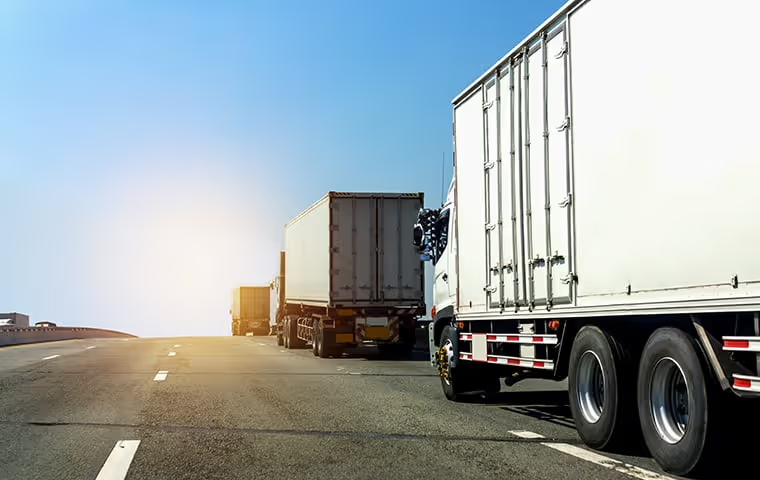
Your company excels at its core mission, whether that's delivering goods, providing essential services, or completing construction projects. But how much of your team's valuable time is spent on tasks outside that specialty, like vehicle maintenance, fuel management, and compliance paperwork? These logistical demands can become a major bottleneck, slowing down growth and distracting you from what you do best. By shifting these responsibilities to a dedicated driver outsourced fleet management partner, you can free up internal resources and redirect your focus toward scaling the business, acquiring new jobs, and improving your bottom line. This article will help you determine if outsourcing is the key to unlocking your company's full potential.
Is Outsourced Fleet Management Right for Your Business?
Trucking businesses serve an integral role in the economy since they are responsible for transporting almost anything you can think of. According to the U.S. Labor Department, about 70% of everything you use, eat, wear or enjoy around your home is reached there via a truck. However, if you’re a trucking business owner, you may want to consider outsourcing your fleet services. Although having a private fleet management team may sound enticing since you have total control, there are many benefits to outsource fleet services.
Understanding Your Fleet Options
Before you can decide if outsourcing is the right move, it’s helpful to get clear on the two main ways businesses structure their fleets. The choice between a private and a dedicated fleet comes down to how much control you want versus how much operational responsibility you’re prepared to handle. Each model has its own set of benefits and challenges, and understanding them is the first step toward building a more efficient and reliable transportation strategy. Knowing the difference will help you evaluate what you truly need from a transportation partner and whether managing everything in-house is the best use of your resources.
Private Fleet vs. Dedicated Fleet
A private fleet is exactly what it sounds like: you own or lease the vehicles, employ the drivers, and manage all the logistics, maintenance, and compliance yourself. This model gives you complete control over your operations. On the other hand, a dedicated fleet involves assets that are assigned exclusively to your business, but you don't necessarily manage them. As the team at Averitt explains, "A 'dedicated fleet' means trucks and drivers are used only for one business's shipping needs." While you can manage your own dedicated fleet, many businesses choose to outsource this function to outside experts who handle the day-to-day complexities for them.
What is Dedicated Freight?
Dedicated freight is the backbone of many dedicated fleet operations. According to logistics experts at RXO, "Dedicated freight is an agreement where a trucking company hauls regular loads for a shipper (or broker) on the same routes at a set price for a specific time, usually a year." This arrangement creates consistency and predictability for your business. You know your shipments are covered on regular lanes, which simplifies planning and helps stabilize your transportation expenditures. For carriers, it guarantees steady work. This symbiotic relationship is what makes dedicated models so attractive for businesses that need reliable, recurring transportation without the volatility of the spot market.
Key Challenges Facing Modern Fleets
Running a fleet today is more complex than ever. Managers are juggling a persistent driver shortage, rising operational expenditures, and unpredictable economic shifts. These hurdles don’t just create daily headaches; they can impact your company’s bottom line and its ability to serve customers effectively. The pressure to deliver goods on time and in good condition is constant, but the resources to do so are often strained. This is why many businesses are taking a closer look at their fleet management strategies and exploring how outsourcing can provide relief and a competitive edge in a tough environment.
The Driver Shortage
It’s no secret that finding and keeping qualified drivers is a major challenge. The situation is becoming more critical, with projections suggesting the U.S. could face a shortage of up to 100,000 truck drivers by 2028. This scarcity makes recruitment a constant battle and puts pressure on you to retain the talent you have. Outsourcing your fleet management shifts this burden to a partner who specializes in hiring, training, and managing drivers. For the drivers you manage directly, implementing programs that recognize safe and efficient performance can make a huge difference. Tools that help you reward drivers can improve satisfaction and encourage safer habits on the road.
Managing Operational Spending
Keeping fleet-related expenditures in check requires constant vigilance. When you outsource, you gain access to a team of transportation experts and modern technology without the significant upfront investment. As noted by Averitt, "These experts keep up with safety rules and driver training, so you get top-notch service without having to build that expertise yourself." An outsourced partner handles everything from vehicle maintenance to compliance, turning many variable operational figures into a more predictable monthly number. This allows you to focus on your core business, confident that your fleet is running efficiently and your team is supported by industry professionals who know how to improve safety and performance.
Navigating Economic Pressures
The economy can have a huge impact on fleet operations, especially when it comes to variable inputs like fuel and maintenance. According to Expert Market, successful fleet management will require "carefully balancing fixed costs (like buying vehicles) and variable costs (like fuel) to keep the cost per mile low." An outsourced fleet partner can often absorb some of this volatility due to their scale and expertise. They can negotiate better terms for fuel and parts, and their proactive maintenance programs can prevent bigger issues down the road. Whether you manage your fleet in-house or not, using technology to optimize routes is a powerful way to reduce fuel consumption and improve overall efficiency.
8 Ways Outsourcing Your Fleet Drives Growth
You may have considered outsourcing your fleet services and maintenance to a third-party company. However, maybe you’re hesitant to give up control. Here are eight vital reasons you should consider outsourcing fleet services for your trucking business.
1. Ability to Lease Vehicles
One way to reduce your operating costs and help your business scale is to lease vehicles instead of owning them. Fleet services allow you to lease their trucks, meaning you won’t have to pay the hefty initial investment of purchasing the vehicle. Instead, leasing allows you to preserve capital since the leasing agreements have low monthly payments.
Company executives can reallocate those funds to other areas that require more attention. Also, fleet services usually provide newer fleet models meaning your fleet trucks have a lower probability of needing repairs. Furthermore, newer models tend to have a better fuel economy. In 2016, the St. Lawrence County in New York changed its approach from owning to leasing. As a result, they leased 24 new vehicles, which cut their fuel costs from $50,000 to $25,000 annually, and reduced maintenance costs from $30,000 to $2,000 annually.
Scalability for Changing Demands
Business needs are rarely static; they ebb and flow with seasonal peaks, market shifts, and project demands. When you manage your own fleet, you’re often locked into a fixed number of assets, which can be inefficient during slower periods or insufficient when business booms. Outsourcing your fleet provides the agility to scale your operations up or down as needed. This means you can easily add more services and vehicles during your busy season and scale back when things quiet down. This flexibility allows you to maintain control over your transportation while reducing the risks associated with vehicle ownership, ensuring your fleet size always matches your current workload.
2. Access to Advanced Technology
Fleet management companies make a living off of managing logistics and operating fleet vehicles. So naturally, they’ll use advanced technology to provide the best service to their customers.
As a customer, you’ll have access to all of their tools, including route planning, monitoring drivers, fleet tracking, asset tracking, managing orders and jobs, eLogs, and driver safety training.
Using fleet management software will provide key insight into the safety and effectiveness of your fleet. For example, you may notice that your drivers are speeding, braking, or idling excessively, causing safety hazards and increasing fuel costs. You might also see that the routes planned aren’t optimized for efficient fuel consumption.
Predictive Maintenance
Partnering with a fleet management company gives you access to tools that can anticipate vehicle issues before they happen. This technology uses software that reads engine data to identify small problems before they turn into expensive, road-side breakdowns. This proactive approach to scheduled maintenance keeps your vehicles on the road longer and minimizes unexpected downtime. Instead of reacting to major failures, you can address minor fixes on your own schedule, extending the life of your vehicles and keeping your operations running smoothly without the disruption of a sudden, significant repair.
AI-Powered Safety
Advanced safety technology is another major advantage. You can use AI video telematics to prove your fleet is safe, which can help lower insurance premiums and provide clear evidence in the event of an accident. These systems, like AI-powered dashcams, do more than just record the road; they can identify risky driving behaviors in real-time and provide opportunities for driver coaching. This helps you build a stronger safety culture, protect your drivers, and safeguard your business from false claims, all while demonstrating a commitment to road safety.
Fuel Fraud Detection
Fuel is one of the largest expenses for any fleet, and unauthorized spending can quickly impact your bottom line. Outsourced fleet services often include software that checks fuel card transactions against GPS locations to catch unauthorized spending. This technology automatically flags any purchases that don't line up with a vehicle's location, making it simple to identify and stop fuel fraud. By ensuring fuel is only used for business purposes, you can maintain better control over your operational spending and allocate resources more efficiently with the help of GPS fleet tracking.
3. Ensures On-Time Delivery and Exceptional Customer Service
One of the foundations for success regarding trucking businesses is having repeat customers. Having fleet management software with route mapping and vehicle tracking helps ensure that all freight deliveries are delivered on-time. Clients will also receive accurate ETA’s, giving them peace of mind that the goods are being delivered to the designated warehouse.
Achieving High Performance Metrics
When you partner with a dedicated fleet service, you’re bringing on experts whose entire business is built around logistical excellence. They use advanced technology and deep industry knowledge to fine-tune every part of your operation, from fuel consumption to delivery reliability. This sharp focus helps you consistently meet key performance indicators. For instance, monitoring and improving driver safety behaviors like harsh braking or excessive idling doesn't just protect your team—it also reduces vehicle wear and improves fuel economy. This detailed management gives you better control over your logistics and helps build a reputation for dependability.
4. Expect Reduced Costs
There are many ways your trucking business will reduce costs from outsourcing fleet services. A few of the ways include leasing vehicles, optimizing fuel, reducing repair costs, having access to discounted insurance policies, and not paying for full-time employees and their benefits. Most fleet service companies can refer you to high-quality fuel suppliers, manufacturers, and insurance companies, along with a discounted rate. Since you’re hiring fleet managers and services on a contractual basis, it’s much cheaper than hiring dedicated full-time employees.
Significant Network Savings
Outsourcing your fleet management can have a major impact on your bottom line, and the benefits go far beyond leasing. Companies that outsource their delivery programs can see savings of up to 32%. This happens because you’re tapping into a larger, established network with already-optimized processes. By partnering with a dedicated fleet provider, your business gains access to skilled transportation experts and the latest shipping technology. This expertise can significantly improve operational efficiency. Instead of building these complex systems from the ground up, you can leverage the resources of a logistics specialist, allowing you to focus on your core business operations.
5. Handles Maintenance and Fueling
A third-party fleet services company will help you stay vigilant regarding preventative maintenance for your fleet trucks. They’ll track metrics such as engine hours, fuel use, and mileage, which will inform you when the vehicle is due for repairs. Although you can hire an in-house person to do it, that’ll require unnecessary additional costs, such as employee benefits. Fleet service professionals will perform routine tuneups and inspections. They will also design simple instructions for drivers to perform maintenance routines between checkups to ensure that the vehicle is in tip-top condition. This will increase the lifespan of the vehicle and reduce repair costs.
One of the main drivers for high fuel costs is poor driving behavior or ineffective route planning. Fleet service providers will monitor start and stop movements, speeding, cruise control, excessive idling, and hard braking. They will also optimize routes to reduce fuel costs, such as using alternative roads or driving during off-hours to prevent rush hours or high-traffic areas.
The Value of Preventative Maintenance
Staying on top of vehicle maintenance is one of the best ways to protect your investment and keep your fleet running smoothly. A fleet services partner takes the guesswork out of this process by tracking key metrics like engine hours, mileage, and fuel consumption. This data helps them know exactly when a vehicle needs a tune-up or inspection. They can create a proactive scheduled maintenance plan that catches small issues before they become major, expensive problems. This approach not only extends the lifespan of your vehicles but also significantly reduces the likelihood of unexpected breakdowns that can derail your operations and disappoint your customers.
Controlling Fuel Expenditures
Fuel is one of the largest operational expenditures for any fleet, but much of it can be managed with the right strategy. Inefficient fuel use often comes down to two things: driver behavior and poor route planning. A fleet management partner helps you address both. They can monitor habits like speeding, excessive idling, and hard braking, which all burn unnecessary fuel. By identifying these behaviors, you can provide targeted driver safety coaching to improve performance. Additionally, they use advanced tools to build the most efficient paths for your drivers, helping them avoid traffic jams and unnecessary mileage. This combination of smarter routes and better driving habits leads to significant savings at the pump.
6. Able to Handle Collections
One of the most overlooked fleet tasks to outsource is billing and collections. If you’re a smaller trucking business, you likely have most of your human resources dedicated to delivering raw material on time and handling logistics. Chasing and tracking overdue accounts can be extremely stressful and take valuable time away from growing the business. Ensuring that your trucking company is paid for jobs completed and freight delivered is an essential task. Fleet services can handle the billing and collections aspect by keeping everything organized for accounting purposes. This means you only need to focus solely on completing the job and making your customers happy.
7. Focus on Business Core Competencies
Having your leadership team wear multiple hats can cause reduced efficiency on business tasks that matter most. You can off-load the fleet management tasks to a third-party company so that your team can redirect their focus to your core business competency. For a trucking business that means focusing on acquiring new jobs, training employees, supporting the right niche, and building a profitable relationship with shippers. As you allocate more resources and pay more attention to these core competencies, you’ll be able to scale your trucking business and improve your bottom line.
8. Reduce Risk
It is very useful to be able to lean on the expertise of fleet service professionals. They’ll be able to ensure that your fleet is DOT compliant to avoid severe penalties and fines. Many DOT FMCSA regulations must be adhered to, ranging from inspections to maintenance to registration to licenses.
Fleet services can reduce risks by incorporating driver safety training, provide asset tracking, and alert potential fuel theft. If you’re running a large fleet that consists of over a hundred vehicles, it can be easy for assets to be lost or mixed up with. Tracking these assets ensures that your customers will be happy with your service if you’ll be able to have them recovered if in case of lost goods.
Managing Complex Regulations
Keeping up with transportation laws and safety rules can feel like a full-time job. Experts in fleet management are dedicated to knowing these regulations inside and out. As noted by the logistics professionals at Averitt, they help your company follow these rules, which protects you from potential legal problems and financial penalties. Partnering with a third-party service or implementing a comprehensive fleet platform means you have a team of specialists on your side, ensuring every aspect of your operation, from driver logs to vehicle inspections, meets current standards. This allows you to focus on your business, confident that your compliance is handled.
Meeting Federal Mandates like ELD
One of the most significant federal rules is the Electronic Logging Device (ELD) mandate. To avoid fines from the US Department of Transportation (DOT), you need to accurately record Hours of Service (HOS) using an ELD. These devices replace traditional paper logs, automatically tracking driving time to ensure drivers don't exceed their legal limits. An outsourced partner can manage this for you, but you can also gain control with the right tools. Solutions like Azuga’s ELD compliance system simplify HOS tracking, making it easy for drivers to log their hours and for managers to monitor compliance, all while keeping your operations running smoothly and within legal guidelines.
How to Get Started with Outsourcing
Deciding to outsource parts of your fleet management is a big step, but it doesn't have to be complicated. The key is to start with a clear understanding of your own operations. Before you can find the right partner or solution, you need to know where your fleet excels and where it could use support. By taking a close look at your current processes, you can identify specific areas—like maintenance, compliance, or route planning—that would benefit most from outside expertise. This initial assessment will help you make a more informed decision that aligns with your business goals and sets you up for success.
Evaluating Your Total Fleet Operations
When you outsource, you hire outside experts to manage your fleet, which can improve shipping, increase delivery reliability, and give you better control over your logistics. To figure out what to hand off, start by analyzing your current performance. Look at your operational spending, vehicle maintenance history, driver safety records, and fuel usage. A great way to gather this information is by using a fleet tracking system to establish a baseline. The data will reveal patterns and highlight inefficiencies, giving you a clear picture of which tasks are consuming the most resources and where a specialized partner could make the biggest impact.
Options for Smaller Fleets
If you run a smaller fleet, you might think outsourcing is out of reach, but that’s not the case. While it can be challenging to find dedicated freight directly from large shippers, working with a third-party logistics (3PL) provider can open doors to more opportunities. Outsourcing doesn't have to be an all-or-nothing decision. You can choose to outsource specific functions, like dispatching or compliance management, while keeping other tasks in-house. Technology also levels the playing field. Scalable platforms allow smaller businesses to access powerful tools for route optimization and asset management, helping you operate with the efficiency of a much larger fleet.
Is a Dedicated Driver Outsourced Fleet Management Service for You?
There is a wide range of moving parts when it comes to fleet management. If you manage your fleet without the proper technology or expertise, you could be oblivious to the type of problems holding your trucking business back. According to a recent survey we conducted, 44.83% of companies still keep their risk management in-house. In this case, Azuga is a great fleet management software that offers various features such as geofencing and route planning, which puts your fleet in good hands. Check out Azuga to see how their platform can boost your bottom line.
Frequently Asked Questions
What's the real difference between a private fleet and an outsourced dedicated fleet? Think of it as the difference between doing it all yourself versus hiring a specialist. With a private fleet, you own the vehicles and manage every detail, from hiring drivers to scheduling maintenance and ensuring compliance. When you outsource to a dedicated fleet, the vehicles and drivers are assigned exclusively to your business, but an expert partner handles the complex daily operations for you.
I run a smaller business. Can I still benefit from outsourcing? Yes, absolutely. Outsourcing isn't an all-or-nothing decision reserved for large companies. Smaller fleets can outsource specific functions that are particularly time-consuming, like compliance management or dispatching. You can also work with third-party logistics (3PL) providers to access more opportunities and use scalable technology platforms to operate with the efficiency of a much larger fleet.
Will I lose control over my operations if I outsource? It’s a common concern, but most businesses find they gain more strategic control. Instead of getting bogged down in the daily details of routing and repairs, you get to focus on the big picture. You define the performance standards for on-time delivery and safety, and your partner uses their expertise to meet those goals. This gives you high-level oversight without the operational headaches.
Besides leasing vehicles, what are the main advantages of outsourcing? Leasing is a great benefit, but the true value lies in gaining access to expertise and advanced technology. An outsourced partner brings deep knowledge of compliance, preventative maintenance, and driver management. They also provide access to powerful tools for route optimization, safety monitoring, and fuel management that might otherwise be difficult to implement on your own.
How does outsourcing help with challenges like the driver shortage and rising operational expenditures? An outsourced partner specializes in recruiting, training, and retaining qualified drivers, which directly addresses the hiring challenge. They also help stabilize your operational expenditures. By leveraging their scale, they can often secure better rates for fuel and parts. Their focus on proactive maintenance and efficient routing also helps turn unpredictable variables into a more consistent, manageable number for your budget.
Key Takeaways
- Focus on what you do best: Handing off fleet logistics to a partner frees up your team to concentrate on core business goals, like securing new contracts and strengthening customer relationships.
- Leverage expert tools without the overhead: Partnering with a fleet service gives you access to sophisticated technology for route planning, vehicle maintenance, and safety monitoring, which helps streamline operations and manage expenses.
- Scale your fleet and stay compliant: Outsourcing provides the flexibility to adjust your vehicle count based on business needs and ensures you have experts managing complex DOT regulations, which minimizes risk.