

Your plumbing technicians rely on their vehicles to get to the job site safely and on time. But for many plumbing fleets, disorganized routes and poor driving habits can quietly drain your resources. A well-run operation, however, is a powerful asset. The right fleet management solutions for plumbers provide the visibility you need to turn your vehicles into a strategic advantage. From optimizing daily schedules to handling proper fleet management and maintenance, you can improve productivity and build a more resilient business. It all starts with making every mile count.
Plumbing businesses can improve their operations and benefit from outsourcing fleet services in several ways. In this article, we will outline six reasons your plumbing business should outsource fleet services.
Plumbing businesses have a lot to gain by outsourcing their fleet services. If you’re unsure whether it’s worth your while, check out these six reasons your plumbing business should consider outsourcing fleet services:
1. Connect with a team of expert mechanics
A significant benefit of outsourcing fleet services that plumbing businesses can capitalize on is gaining access to experienced mechanics.
Generally, fleet services companies employ mechanics who have training and experience working on a wide variety of vehicles. Not only that, but they are typically required to have all the regulatory and educational certifications, so you can rest assured you’re receiving the best service.
If your plumbing business has a large fleet with various vehicle types, it can be difficult to service them all in one shop. Companies often run into this problem because certain vehicles may require different skill sets for repairs and maintenance that the average mechanic may have experienced.
The lack of experience shouldn’t be an issue when outsourcing fleet services, as many of these companies employ a large team of experienced mechanics. With their combined knowledge, they should have the required skills to conduct maintenance and repairs on all types of vehicles.
In many instances, vehicles maintained through outsourced fleet services outlast those maintained in-house.
2. Stay on the road with routine service and roadside assistance
Plumbing businesses that outsource fleet services can improve efficiency and keep their employees on the road.
The business in charge of managing your fleet vehicles will make sure to conduct routine maintenance continually. This focus on maintenance ensures that your fleet vehicles are always in working order and helps prevent situations where a plumber breaks down en route to a job.
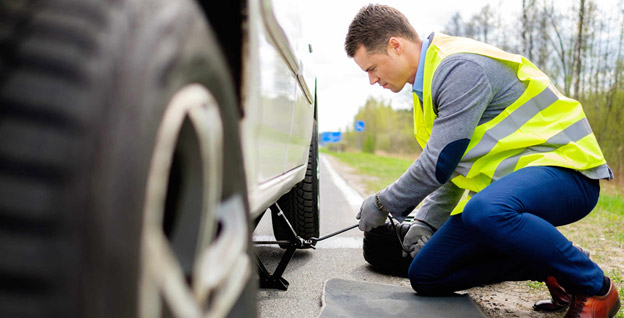
Routine maintenance keeps your employees on the job and out of the repair shop. And, in the rare event that one of your vehicles does break down, your fleet service manager can provide roadside assistance. This means that you can make sure your team completes jobs promptly and keeps customers happy.
3. Lower your initial investment and improve buying power
Many plumbing businesses choose to outsource fleet services because it can be the most cost-effective fleet management solution in the long run. The cost of outsourcing fleet services is much lower than the alternative of creating a new fleet management program and maintenance workshop from scratch.
It can get expensive to do things in-house. In addition to renting space, tools, software, and machinery, you’ll have to pay the employees who handle fleet maintenance. You’ll be responsible for hourly wages, healthcare benefits, and sometimes overtime — just to mention a few expenses.
For some small plumbing companies, it just isn’t financially possible. And for larger plumbing companies, it often doesn’t make financial sense when fleet management and maintenance can be outsourced for a fraction of the cost.
Outsourcing fleet services can provide further cost savings by leveraging the buying power held by these experienced providers. These companies have industry connections and bulk buying power, meaning they can often acquire rented or leased vehicles at a discount and pass on the savings to you.
Another reason plumbing companies often outsource fleet services is that they can lease vehicles from a third party. That way, the fleet service provider is the one taking on that cost, not your business.
With these factors in mind, you can see how outsourcing fleet services is generally the best way to keep your plumbing fleet’s costs down.
Understanding the 4 pillars of fleet success
Beyond the day-to-day tasks of scheduling jobs and managing technicians, running a successful plumbing business rests on a solid foundation. For your mobile operations, this foundation is built on four key pillars: efficient tracking, expense management, driver safety, and compliance. Think of these as the essential components that keep your fleet running smoothly, safely, and profitably. When you give each of these pillars the attention they deserve, you create a more resilient and efficient operation that can handle any challenge thrown its way. Mastering these areas helps you serve your customers better, support your team in the field, and build a stronger business overall.
Focusing on these four pillars isn't about adding more to your plate; it's about working smarter. With the right tools and strategies, you can streamline how you manage each area, turning potential headaches into opportunities for improvement. A comprehensive fleet management solution provides the visibility and data you need to make informed decisions across all four pillars. From optimizing routes in real-time to automating maintenance schedules and ensuring regulatory adherence, technology helps you build a stronger, more dependable fleet. This integrated approach ensures that every aspect of your mobile workforce is contributing to your company's success and long-term growth.
Pillar 1: Efficient tracking
Efficient fleet tracking is the cornerstone of a well-managed mobile workforce. It’s about more than just knowing where your vehicles are; it’s about having complete visibility into your daily operations. This real-time insight allows you to plan the most effective routes, provide customers with accurate arrival times, and dispatch the nearest technician to an emergency job. Furthermore, a robust fleet tracking system collects critical data on everything from fuel consumption and engine idling to driver behavior and overall vehicle health, giving you the information you need to make smart, proactive decisions.
Pillar 2: Expense management
Keeping operational expenditures in check is vital for maximizing your business's profitability. Effective expense management starts with understanding where your money is going. By closely monitoring your fleet's activities, you can identify and address fuel-wasting habits like excessive idling or speeding. Beyond fuel, fleet management technology helps you stay ahead of vehicle upkeep. You can schedule maintenance based on actual mileage or engine hours, preventing unexpected breakdowns and avoiding more significant repair bills down the road. This proactive approach keeps your vehicles on the road and your budget on track.
Pillar 3: Driver safety
The safety of your drivers is paramount. Protecting your team not only is the right thing to do but also protects your business from the significant repercussions of an accident, including vehicle repairs, higher insurance premiums, and lost productivity. Modern fleet management systems are essential for building a strong safety culture. They allow you to monitor driving performance for risky behaviors like harsh braking or rapid acceleration and ensure your team takes required breaks to prevent fatigue. By promoting safer driving habits, you safeguard your employees and your bottom line.
Pillar 4: Compliance
Navigating the web of industry regulations is a critical responsibility for any fleet operation. Staying compliant is non-negotiable, and fleet management systems make it much simpler to meet your obligations. These platforms can automate the logging of business versus personal mileage for tax purposes and maintain a clear, digital audit trail of vehicle movements, driver activities, and maintenance records. For businesses that need to adhere to specific mandates, an ELD solution automates hours-of-service recording, ensuring you always have accurate, accessible records ready for inspection and reducing administrative burdens.
4. Equip your fleet with the latest tools and technology
Building an in-house fleet management and maintenance program is expensive, especially when you consider the types of tools it requires. Acquiring state-of-the-art equipment and technology for mechanics is just not possible for many plumbing businesses.
Outsourcing fleet services can provide plumbing companies with access to state-of-the-art equipment and technologies they could never afford to purchase themselves. When you outsource fleet services, you can access all the tools that the company owns and utilizes — without having to buy or rent them.
Gain visibility with real-time GPS tracking
Fleet service providers use advanced technology to give you a complete view of your operations. With real-time GPS tracking, you always know where your plumbing vehicles are, which helps you dispatch the nearest technician to an emergency job. This system uses data to find ways your fleet can be more efficient, allowing you to manage vehicles, equipment, and jobs as they happen. Gaining this level of visibility means you can provide customers with more accurate ETAs, verify timesheets, and ensure your team is staying on schedule throughout the day.
Improve driver safety with AI-powered dash cams
Keeping your plumbers safe on the road is a top priority. Outsourced fleet services often include access to sophisticated driver safety tools, like AI-powered dash cams. These devices can detect unsafe driving habits such as speeding, hard braking, or distracted driving and provide immediate in-cab alerts to help drivers self-correct. The recorded video footage also serves as a valuable coaching tool, allowing you to review incidents with your team and build a stronger safety culture. This proactive approach helps protect your employees and reduces the risk of accidents.
Automate preventive vehicle maintenance
Unexpected vehicle breakdowns can bring your business to a halt, leading to canceled appointments and unhappy customers. A fleet service provider can help you avoid this by automating your preventive maintenance schedule. You can set up reminders for routine service and receive alerts when a vehicle needs attention, based on mileage or engine hours. This ensures your plumbing vans and trucks are always in top condition, preventing costly repairs and extending the life of your vehicles. Staying ahead of maintenance keeps your team on the road and focused on their jobs.
Prevent unauthorized vehicle use
Your company vehicles are valuable assets, and it’s important to know they’re being used appropriately. Fleet management technology helps you see if vehicles are being used after hours without permission or are stopped for too long at unapproved locations. By setting up geofences and alerts, you can monitor vehicle activity and receive notifications for any unauthorized movements. This oversight helps secure your fleet, reduce liability, and ensure your vehicles are reserved for official business, protecting your investment and your company’s reputation.
Empower technicians with a mobile app
Modern fleet services often come with a mobile app that puts powerful tools directly into your technicians' hands. An app like the Azuga Fleet Mobile app allows drivers to see their daily schedules, access job details, and log their hours from their phones. They can also monitor their own driving performance and get tips for staying safe on the road. This technology empowers your team to manage their tasks more efficiently, improves communication between the field and the office, and gives them a sense of ownership over their performance.
5. Simplify compliance for your plumbing fleet
Compliance regulations are complicated and can be difficult for even the most dedicated fleet manager to understand. Additionally, updates to legislation mean continually changing rules. Keeping up with these requirements can be time-consuming and frustrating, especially if you’re trying to handle it yourself.
Plumbers have more pressing things to do than worrying about making sure their fleet remains compliant. Outsourcing fleet services can help your plumbing business remain compliant without you or your team having to stress over the minute details.
Fleet management businesses stay up to date on current compliance regulations. They have processes they follow and tools they use to ensure that your fleet remains compliant, including sophisticated fleet management systems.
Of course, despite outsourcing fleet services, you are ultimately responsible for your plumbing fleet’s compliance. With that in mind, it’s essential to select your fleet management company carefully and ensure compliance is a priority to them.
6. Focus on your core business, not fleet maintenance
One of the most significant benefits of outsourcing fleet services is offloading fleet management and maintenance responsibilities to a trusted third party, freeing up time and resources.
Outsourced fleet services companies are pros at what they do and can generally operate more quickly and efficiently than an in-house team can. This means your fleet management and maintenance operations often improve when you outsource fleet services.
Not having to deal with fleet management and maintenance responsibilities can make your plumbing business more productive. Your team can pay attention to other business activities that best utilize their expertise.

Evaluating your fleet management strategy
Deciding how to manage your fleet is a major business decision. It's not just about keeping vehicles on the road; it's about optimizing your entire mobile operation for efficiency and long-term value. Let's look at the key factors to consider when evaluating your strategy.
In-house management vs. outsourcing
Choosing between an in-house team and an outsourced provider often comes down to resources and expertise. Building a fleet management program from scratch requires a significant upfront investment in a workshop, tools, and skilled technicians. For many businesses, outsourcing is a more streamlined approach.
Specialized fleet service companies bring a wealth of experience and can often operate more efficiently than an internal team. They also leverage their industry connections and buying power to secure better deals on parts and services, passing those advantages on to you. This allows your team to focus on core business activities while experts handle the complexities of fleet management.
Measuring the return on investment
No matter which path you choose, the goal is to see a positive return. The right fleet strategy, supported by smart technology, delivers measurable results. For example, integrated fleet management systems can reduce vehicle downtime by as much as 50%, keeping your plumbers on the job and not in the shop.
You can also see significant improvements in operational expenses. Fleet technology has been shown to lower fuel and labor needs by up to 16%. Even a small 5% improvement in fuel efficiency can lead to substantial annual savings per vehicle. Tools like scheduled maintenance alerts and route optimization software provide the data you need to track these gains and justify your fleet management decisions.
Find the right fleet management solution for your plumbing business
Some plumbing business owners want to retain hands-on control of their fleet’s maintenance and management. However, this could be a significant missed opportunity.
44.83% of companies manage risk in-house, usually using fleet management software like Azuga. This is one great option that presents cost and time savings to companies you should certainly consider. However, companies who choose to outsource their fleet services can expect an improved quality of maintenance and repair service on their vehicles, the delegation of time-consuming responsibilities, and most importantly, saving their plumbing business money.
Read customer reviews
Before you commit to a fleet management solution, it’s wise to see what current users are saying. When you read customer reviews, you get an unfiltered look at a company's strengths and weaknesses from the perspective of businesses just like yours. Look for feedback on software reliability, ease of use, and the accuracy of the data provided. Pay close attention to how customers describe their experience with the support team, as this can be a major factor in your long-term satisfaction. This research provides valuable insights that go beyond a product demo, helping you understand the real-world performance and reliability of the service.
Ask about customer support options
Even the most intuitive software can come with a learning curve, which is why robust customer support is non-negotiable. When evaluating providers, be sure to ask how they will help you get started and what kind of support you can expect down the line. Will you have a dedicated account manager? What are their support hours, and how can you reach them—via phone, email, or chat? A strong support system ensures that any questions or issues are resolved quickly, minimizing downtime for your plumbing technicians and keeping your operations running smoothly. This partnership is key to getting the most value from your fleet tracking solution.
Look for flexible contracts
Your business needs can change, so it’s important to find a fleet management provider that offers flexibility. Look for flexible agreements, such as month-to-month options, rather than getting locked into a long-term commitment that may not suit your business in a year or two. This flexibility allows you to adapt as your fleet grows or your operational needs evolve. A provider who is confident in their product is often more willing to offer terms that don't tie you down, giving you the freedom to ensure the solution remains the right fit for your plumbing business over time.
Test the software with a free trial
The best way to know if a solution is right for your team is to try it yourself. Many providers offer a free trial or a personalized demo, giving you a hands-on opportunity to explore the software’s features. Use this time to see how user-friendly the interface is and whether it provides the specific tools your plumbing business needs. Can you easily schedule maintenance for your vehicles? Is the mobile app intuitive for your technicians in the field? A trial period lets you evaluate the platform's functionality and suitability for your daily operations without any upfront financial commitment, ensuring it’s a perfect match before you sign up.
Frequently Asked Questions
Is outsourcing fleet management only for large plumbing businesses? Not at all. While large companies certainly benefit, smaller plumbing businesses can gain even more by outsourcing. It gives you access to expert mechanics, advanced diagnostic tools, and vehicle discounts that are typically out of reach for a small operation. Think of it as leveling the playing field, allowing you to enjoy the efficiencies of a large-scale fleet without the significant upfront investment.
Will I lose control of my daily operations if I outsource? This is a common concern, but the opposite is usually true. A good fleet service provider acts as a partner, not a replacement. You still manage your technicians and their schedules. The provider handles the background logistics, like maintenance and compliance, while technology like GPS tracking gives you more visibility into your daily operations than you had before. You get to focus on serving customers, armed with better information.
What's the difference between outsourcing all my fleet services and just using fleet management software? Outsourcing typically involves a third party managing the physical aspects of your fleet, such as vehicle maintenance, repairs, and sometimes even leasing. Using fleet management software, on the other hand, is a tool that empowers you to manage your own fleet more effectively. It helps you track vehicles, optimize routes, and monitor driver safety, giving your in-house team the data it needs to make smarter decisions.
How can I be sure that outsourcing will actually benefit my bottom line? The return on investment comes from several areas. Proactive maintenance prevents expensive, unexpected breakdowns, keeping your technicians on the road and completing jobs. Route optimization reduces fuel consumption and labor hours for every appointment. Furthermore, improved driver safety can lead to lower insurance premiums and fewer accident-related expenses. A good provider will help you track these metrics so you can see the tangible results.
My technicians are experienced. Do I really need to monitor their driving? Even the best drivers can have an off day. Driver safety tools aren't just about catching mistakes; they're about creating a protective safety net for your team and your business. In-cab alerts can help prevent accidents by correcting risky behaviors in the moment. Dash cam footage can also be crucial for exonerating your driver if they are not at fault in an incident, saving you from liability and protecting their record.
Key Takeaways
- Let experts handle your fleet so you can focus on plumbing: Outsourcing gives you access to skilled mechanics and advanced tools without the significant investment of building an in-house team, freeing you up to concentrate on your core business.
- Gain access to powerful fleet technology without the purchase: A fleet partner can equip your vehicles with tools like GPS tracking and AI dash cams to improve safety, reliability, and operational visibility.
- Build a stronger operation by focusing on the four pillars of fleet success: An outsourced solution helps you effectively manage tracking, expenses, driver safety, and compliance, creating a more resilient and efficient business.