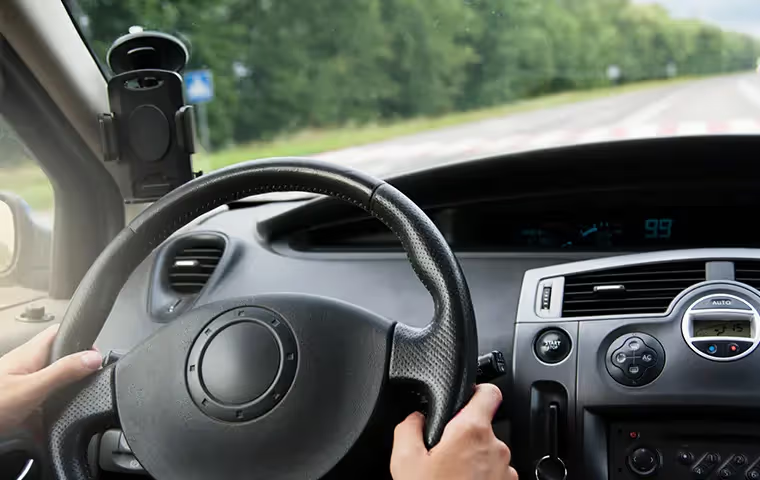
Managing your drivers is tough when you can't be in the cab with them. Yet, their actions on the road directly affect your fleet's efficiency and safety. So how do you improve fleet safety driver behavior without making your team feel like they're under a microscope? It starts by shifting from simple driver behavior tracking to creating a system of support. We'll show you how to build a program that fosters partnership, protects your drivers, and makes improving fleet safety a true team effort.
Understanding the risks of unsafe driving
To improve driver behavior, you first need a clear picture of what’s happening on the road. Identifying specific unsafe actions is the first step toward building a stronger safety culture. These behaviors can dramatically increase the risk of accidents, which has a ripple effect across your entire operation, impacting vehicle health, insurance rates, and your company’s reputation.
Key risky driving behaviors to monitor
Focusing on a few key behaviors can make a huge difference in your fleet's safety record. These actions are common culprits in traffic incidents, but with the right tools and training, you can effectively reduce their frequency and protect your drivers.
AGGRESSIVE DRIVING
Aggressive driving includes actions like speeding, tailgating, and harsh braking. These habits not only put your driver and others at risk but also cause unnecessary wear and tear on your vehicles. A GPS fleet tracking system can help you monitor for these events, giving you the data needed for targeted driver coaching.
DISTRACTED DRIVING
Anything that takes a driver’s attention away from the road is a distraction. This includes using a cell phone, eating, or adjusting controls inside the cab. Technology like an AI-powered dashcam can detect these behaviors in real-time, allowing you to address them before an incident occurs.
DRIVING WHILE FATIGUED
A tired driver can be just as dangerous as an impaired one. Fatigue slows reaction times and clouds judgment, making accidents much more likely. Monitoring for signs of drowsiness is a critical part of a comprehensive fleet safety program and helps ensure your drivers are alert and ready for the road.
IGNORING TRAFFIC SIGNALS AND SIGNS
Running red lights or rolling through stop signs can lead to some of the most severe types of collisions. These actions often happen in busy intersections, multiplying the potential for disaster. Capturing these events provides concrete examples to use in safety meetings and one-on-one coaching sessions.
DRIVING UNDER THE INFLUENCE
Driving under the influence of alcohol or drugs is illegal and completely unacceptable. While technology can’t prevent a driver from making this choice, fostering a zero-tolerance safety culture can. Regular training and clear company policies are your best defense against this dangerous behavior.
NOT WEARING A SEATBELT
Failing to wear a seatbelt remains a leading factor in crash-related fatalities each year. It’s a simple action that can save a life. Encouraging 100% seatbelt compliance is one of the easiest and most effective safety improvements you can make for your fleet.
The impact of unsafe driving on your business
Unsafe driving extends far beyond the immediate danger of an accident. These behaviors have serious financial implications for your business, from higher fuel consumption and maintenance needs to vehicle downtime that hurts your bottom line. Traffic incidents can create a significant financial strain for businesses every year, affecting everything from insurance premiums to brand reputation. By proactively managing driver safety, you protect your people, your assets, and your business's financial health.
How Can You Improve Fleet Driver Behavior?
Start with a Clear Fleet Safety Policy
A fleet safety policy is crucial to creating a safety culture for your fleet. Your fleet safety policy should cover everything from hiring drivers to ensuring their positive behavior with measurable policies. These policies can address personal use of vehicles, defensive driving, distracted driving, and any other issues of concern within your fleet. Once you create these policies, review them often and keep them updated. Our Fleet Safety Policy Guide will help you create a fleet safety policy from start to finish.
ESTABLISH A SAFE FOLLOWING DISTANCE
Tailgating is a recipe for disaster, especially when driving a heavy commercial vehicle. Your safety policy should include clear guidelines for maintaining a safe following distance. A great rule of thumb comes from Penske Truck Leasing: for every 10 feet of vehicle length, drivers should allow one second of following time, adding an extra second when traveling over 40 mph. This simple rule gives drivers enough time to react to sudden stops, preventing rear-end collisions and protecting both your driver and your assets.
ENFORCE SPEED MANAGEMENT
Speeding is one of the most common and dangerous driving behaviors. According to Penske, speeding was a factor in 29% of all traffic fatalities in 2022, leading to over 12,000 deaths. Clearly communicating and enforcing speed limits within your fleet isn't just about avoiding tickets; it's about saving lives and preventing serious accidents.
The most effective way to manage speeding is with technology. As noted by WEX, telematics systems are essential for tracking driver behavior like speed, acceleration, and braking. With a robust fleet tracking solution, you can monitor speeds in real-time, set up alerts for violations, and identify patterns that require coaching. This data provides objective insights, making it easier to have productive conversations with drivers about improving their habits on the road.
Keep Your Vehicles Safe with Proactive Maintenance
A well-maintained vehicle is a reliable and efficient vehicle. Along with creating a safety policy, you should also create a maintenance plan. Your maintenance plan includes the procedures for vehicle checks, your maintenance checklist itself, and reviewing all vehicles to determine the baseline for your fleet. Our Comprehensive Fleet Maintenance Guide can help you build a fleet maintenance plan.
USE MAINTENANCE DATA TO SPOT BEHAVIOR TRENDS
Your vehicle maintenance records can tell you more than just when an oil change is due. Telematics systems that track behaviors like harsh braking, speeding, and rapid acceleration can help you identify patterns that lead to premature wear and tear. By connecting driving habits to maintenance needs, you can spot which drivers are putting extra strain on their vehicles. This data allows you to coach drivers on smoother, more efficient driving techniques, which not only improves safety but also extends the life of your fleet assets.
Leverage advanced technology for fleet safety
While policies and maintenance plans are foundational, advanced technology gives you the real-time insights needed to actively manage and improve driver behavior. Modern fleet safety solutions go beyond simple tracking to provide a comprehensive view of what’s happening on the road. These tools help you identify risks as they occur, coach drivers with objective data, and build a stronger, more accountable safety culture across your entire operation.
IMPLEMENT FLEET SAFETY CAMERAS
Fleet safety cameras are one of the most effective tools for understanding driver behavior. Dashcams provide clear, visual evidence of on-road events, which is invaluable for accident reconstruction and driver exoneration. With a dual-facing AI dashcam, you can see both the road ahead and what’s happening inside the cab. This visibility helps you identify risky behaviors like distracted driving and provides concrete examples you can use for targeted driver coaching sessions.
UTILIZE ARTIFICIAL INTELLIGENCE (AI)
Artificial intelligence takes dashcam technology to the next level. AI-powered systems can proactively detect more than a dozen types of unsafe driving behaviors, including cell phone use, tailgating, drowsiness, and running stop signs. Instead of waiting to review footage after an incident, AI can send you real-time alerts when it identifies a risk. This allows you to intervene immediately and address unsafe habits before they lead to an accident.
ENSURE ACCURACY WITH HUMAN REVIEW
To build trust with your drivers, it’s essential that the data you use for coaching is accurate. Technology isn't perfect, and false alarms can undermine your safety program. That's why some of the best systems incorporate a human review process to verify AI-flagged safety events. This extra step ensures that drivers are not wrongly blamed for incidents, fostering a sense of fairness and encouraging them to buy into the safety program.
GAIN 360-DEGREE VISIBILITY
While a forward-facing dashcam is a great start, many incidents happen in a vehicle’s blind spots. Multi-camera systems provide a complete 360-degree view around the vehicle, eliminating blind spots and capturing the full context of any event. This comprehensive visibility is critical for protecting your drivers from false claims and understanding the complex situations they face on the road every day. It gives you a complete picture to ensure every story is told accurately.
RESPECT DRIVER PRIVACY
Introducing cameras can sometimes be met with resistance if drivers feel their privacy is being invaded. It's important to frame the technology as a tool for safety and protection, not surveillance. Leading solutions address this by including privacy-centric features. For example, some systems allow drivers to turn off the driver-facing camera when they are off duty, giving them peace of mind and reinforcing that the program is focused solely on professional safety.
Use Real-Time Alerts for On-the-Spot Coaching
You don’t want to wait for an accident to start thinking about driver behavior. You can monitor your drivers and get alerts before an accident ever happens with telematics. Some behaviors that your telematics system can automatically detect include:
- Rapid acceleration
- Speeding
- Hard braking
- Sharp turning
- Tailgating
Track Performance with Driver Scorecards
You can use the telematics technology we mentioned earlier to track data about your drivers and get an overall view of their performance. With this data, you can create a driver scorecard that quanties how safely your drivers operate. Driver scores allow drivers to get a baseline for their performance and create awareness of any changes up or down. Azuga’s safety scores are calculated automatically from data gathered from telematics.
Recognize and Reward Safe Driving Behavior
Having these safety scores helps you determine where your drivers stand compared to other drivers. With this information, you can create motivators that encourage your drivers to strive for better scores. Motivators could include a newsletter shoutout to the best driver, a good drivers bulletin board, or even a full-blown rewards program. In this way, driver scores can gamify your safety tracking process so you can be assured of your drivers’ motivation.
Implement effective driver management strategies
PROVIDE DATA-DRIVEN DRIVER COACHING
Using technology to track driver behavior gives you the insights needed for effective coaching. Tools like telematics and AI dashcams can monitor specific actions such as speeding, harsh braking, and excessive idling. This data allows you to move beyond guesswork and have constructive conversations with your drivers about real on-road events. By addressing these behaviors directly, you can help improve safety, reduce the likelihood of accidents, and lower operational expenses related to maintenance and insurance. This targeted approach makes coaching more impactful and helps build a stronger safety culture across your entire fleet.
SCHEDULE ONGOING TRAINING
Safety isn't a one-and-done deal; it requires continuous effort. Use the data gathered from telematics to create specific training sessions that address the most common issues within your fleet. Regular training and refresher courses help drivers practice safer habits and stay current with new regulations or technology. This proactive approach to driver safety reinforces the standards set in your fleet safety policy and shows your team that you are invested in their professional development. Consistent education is key to maintaining high safety standards and ensuring your fleet operates efficiently for the long haul.
Turn Driver Data into Action with Azuga
When you want to track data and use it all in one place, Azuga has your back. Our fleet management software connects with your vehicles’ telematics system to provide all the information you need on driver behavior. To learn more about how you can improve driver behavior with Azuga, try a demo of our software and see!
Frequently Asked Questions
My drivers are worried about privacy with dashcams. How can I get them on board? This is a common and completely valid concern. The key is to frame the technology as a tool for protection, not punishment. Explain that dashcams are there to prove what happened in an accident, which often exonerates drivers from false claims. Highlight features that respect their privacy, like the ability to turn off inward-facing cameras when off-duty. When you present it as a partnership to keep everyone safe, you build trust and encourage buy-in.
What's the single most important first step to improving driver safety? Before you introduce any new technology or training, you need a solid foundation. The most important first step is to create a clear, comprehensive fleet safety policy. This document sets clear expectations for everyone and acts as the guide for all your safety efforts. It ensures that your entire team understands the standards they are expected to meet from day one.
How do driver scorecards actually help improve behavior? Driver scorecards turn abstract safety goals into tangible, measurable data. By tracking metrics like speeding, harsh braking, and acceleration, they give drivers a clear baseline of their performance. This creates awareness and allows them to see how their habits compare to the rest of the team. It also provides an objective starting point for coaching conversations, focusing on specific data rather than general feelings.
Can I really use maintenance data to coach drivers? Absolutely. Your vehicle maintenance records are a great source of information about driving habits. If you notice one truck needs new brakes or tires more often than others, you can look at its telematics data. You might find a pattern of harsh braking or sharp turning. This allows you to show the driver how specific on-road actions directly impact vehicle health, turning a maintenance issue into a valuable coaching opportunity.
What are some simple ways to reward safe drivers? Rewarding good behavior doesn't have to be complicated or expensive. Consistent recognition is often more powerful than a one-time prize. You can start small by giving a shoutout to the driver with the highest safety score in a weekly email, creating a "driver of the month" parking spot, or offering a gift card for coffee. The goal is to publicly and consistently acknowledge the drivers who are doing a great job.
Key Takeaways
- Build your safety framework: Create a clear fleet safety policy and a proactive maintenance schedule. These foundational elements set clear expectations and ensure your vehicles are safe for the road.
- Leverage technology for real-world data: Use tools like GPS tracking and AI dashcams to get an unbiased view of on-road behaviors. This data helps you pinpoint specific risks like speeding or distracted driving without guesswork.
- Focus on positive reinforcement and coaching: Use driver scorecards and real-time alerts to provide targeted coaching. Recognizing safe driving with a rewards program helps motivate your team and builds a supportive safety culture.