Juggling driver schedules, last-minute service calls, and unexpected traffic is a daily challenge. This constant scramble can lead to wasted fuel, frustrated drivers, and unhappy customers. What if you could remove the guesswork and build a perfect plan for your team every single day? That’s the power of automated route optimization. This technology does more than just point drivers from A to B; it analyzes all your jobs, vehicles, and real-time road conditions to create the most efficient routes possible. It's the kind of affordable fleet optimization software for businesses that transforms chaotic dispatching into a streamlined operation. Here are four key benefits it brings to your fleet.
Spend Less Time on the Road
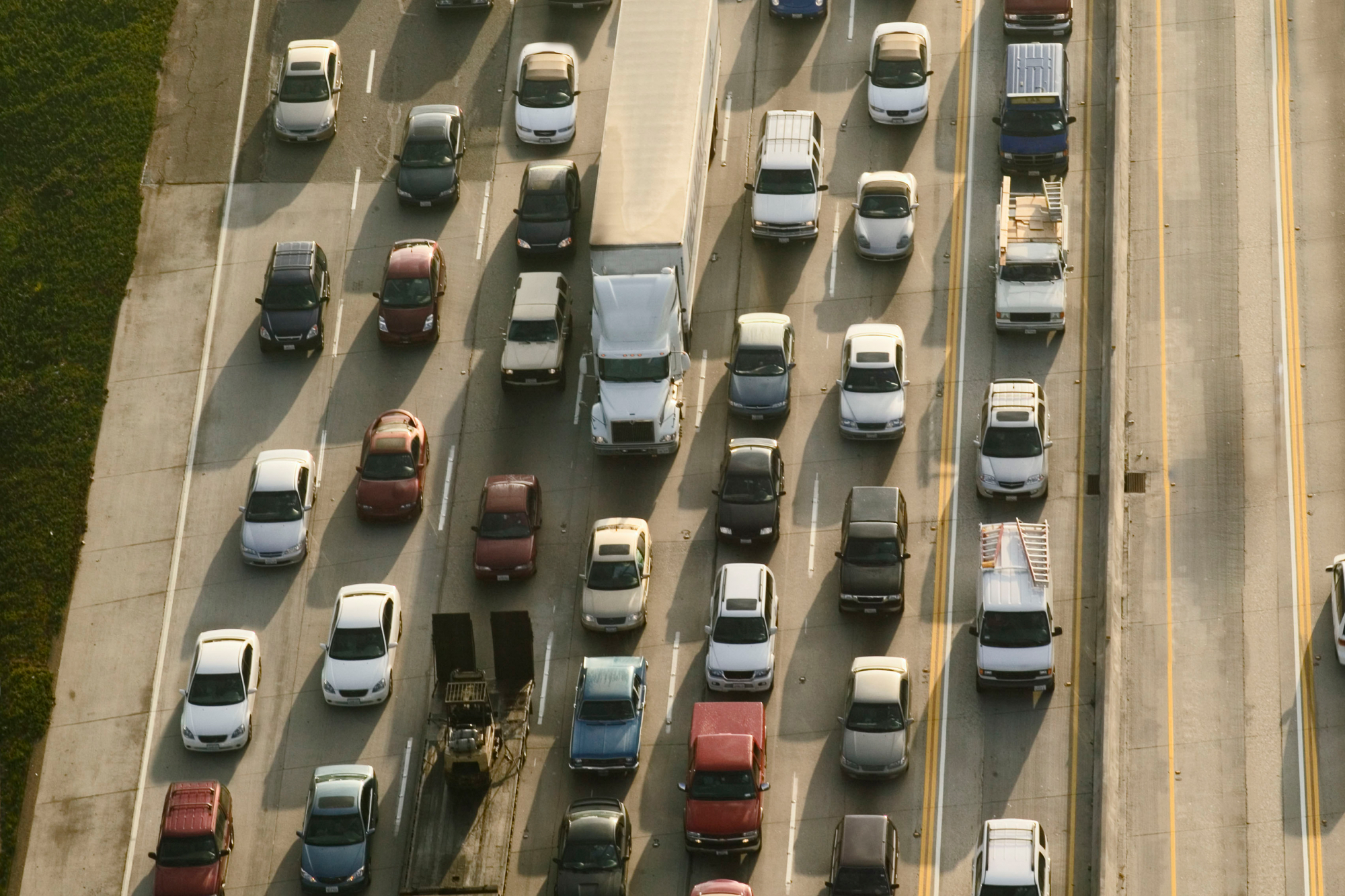
People mainly use route optimization software because it significantly reduces the time it takes to complete everyday routes. The software finds the quickest way to any destination, avoiding traffic, congestion, and even construction delays. When your drivers are hindered by sudden problems on the road or by sitting in traffic jams, it wastes time and money that your fleet simply doesn’t have. That’s why route optimization software is an immense bonus for any fleet.
Because the software updates in real-time, your drivers know right away whenever jobs are added, canceled, or changed. They don’t have to wait until they’re off the road to check a voicemail or text. This eliminates the chances that your drivers will waste time driving to a destination no longer needed or miss a job they need to add to their list. Real-time updating helps your business take on more customers throughout the day.
Finally, route optimization software simply helps your drivers know where they are. It gives step-by-step directions that prevent them from making a wrong turn or missing an exit. Getting lost and hunting for a destination wastes time and can be highly unsafe. Route optimization software helps your fleet avoid this problem entirely.
How Automated Route Optimization Works
So, how does this software actually create the perfect route? It’s not just about finding the shortest distance on a map. Automated route optimization is about solving a complex logistical puzzle in seconds. It considers dozens of variables—like driver schedules, vehicle capacity, delivery windows, and traffic patterns—to build the most efficient plan for your entire fleet. Think of it as a master strategist that can see the whole board at once, ensuring every vehicle is exactly where it needs to be, at the right time, without any wasted motion. This process turns a chaotic day of dispatching into a streamlined, predictable operation.
Solving the Vehicle Routing Problem
At its core, the software is designed to solve what’s known as the Vehicle Routing Problem (VRP). This is the classic challenge of figuring out the optimal set of routes for a fleet of vehicles to serve a number of customers. To crack the code, the system needs a few key pieces of information: the starting point (your depot), the number of available vehicles, and a list of all the stops that need to be made. Using this data, the software determines the most efficient path for each driver, minimizing total travel time and distance across the entire fleet, not just for a single vehicle.
Key inputs for accurate planning
Static maps are a thing of the past. For route planning to be truly effective, it needs to reflect real-world conditions. That’s why modern systems pull in live data from sources like GPS fleet tracking and vehicle telematics. This information provides a constant stream of updates on traffic congestion, weather events, road closures, and other on-the-ground variables. By analyzing this real-time data, the software can make smart adjustments on the fly, rerouting drivers to avoid unexpected delays and ensuring that the plan you start the day with is just as effective by the afternoon.
Why Professional Software Outperforms Free Tools
While free mapping apps are great for personal trips, they just aren’t built for the complexities of managing a commercial fleet. They typically plan for one vehicle going to one destination at a time and don’t account for factors like service time, vehicle capacity, or multiple stops. Professional software, on the other hand, is designed for multi-stop, multi-vehicle operations. The difference is clear in the results. Fleets using professional tools have seen planning time reduced by up to 35% while hitting a 99% on-time delivery rate, a level of efficiency that free tools simply can’t match.
The secret sauce is the advanced technology working behind the scenes. Professional solutions like Azuga Routes use powerful algorithms and artificial intelligence to analyze millions of possibilities and find the best one in seconds. This isn't just about finding a faster route; it's about creating a smarter operational plan that reduces fuel consumption, minimizes wear and tear on vehicles, and allows your team to complete more jobs each day. Investing in a dedicated tool means you’re not just getting directions—you’re getting a powerful system for improving your entire business.
Take the Guesswork Out of Dispatching
When there are a lot of vehicles in your fleet, dispatching can become a significant challenge. However, route optimization is a tool that can make this process easier because it does everything automatically. For example, whenever you load a job into your fleet management system, it is automatically organized into your drivers’ routes for the day in the most efficient way possible. The software also ensures that you are using your fleet’s vehicles most effectively in that you have the right amount of drivers for the jobs you are doing.
Communication is another challenge of dispatching made easier by route optimization software. Managers no longer need to call or text drivers to update them when their routes change. The software will automatically update drivers on their phones. Furthermore, drivers don’t need to contact customers to let them know when they’re nearby because the system will notify the customer for them. Drivers shouldn’t have to worry about their phones while on the road, so the software makes things much safer.
The Advantage of AI-Powered Planning
Modern route optimization is more than just a digital map; it’s a smart system that thinks ahead for you. AI-powered planning uses intelligent algorithms to find the most efficient paths for your entire fleet. According to Lumenalta, "AI route optimization uses smart computer programs to plan the best possible routes for delivery and service vehicles," which helps businesses work faster and provide better service. This technology considers countless variables—like traffic patterns, vehicle capacity, and appointment windows—to build schedules that save time and fuel. By automating this complex process, you can equip your team with reliable, optimized routes every single day, giving them more time to focus on the job at hand instead of on a map.
Adapt in Real-Time with Continuous Optimization
A perfect plan at the start of the day can fall apart with one unexpected traffic jam or a last-minute service call. That’s where continuous optimization comes in. This feature allows the system to adjust routes on the fly as conditions change. As noted by the technology group Descartes, "Continuous optimization keeps routes updated throughout the day. It constantly checks for new orders, traffic changes, and other issues, then adjusts plans in real-time." If a new job comes in or a road closes, the software automatically recalculates the best path forward and updates the driver’s schedule through their mobile app. This keeps your operations agile and responsive, ensuring delays are minimized and customers are kept happy.
Distribute Jobs with Smart Load Balancing
Assigning jobs across your fleet is a balancing act. You need to make sure work is distributed fairly and that the right vehicle is sent for the right job. Smart load balancing takes care of this automatically. The software analyzes the day's jobs and assigns them to vehicles based on factors like location, capacity, and driver availability. According to Track-POD, "The software automatically figures out the best way to spread deliveries across your vehicles, making sure they don't carry too much weight or volume." This prevents overloading one driver while another has a light schedule, leading to better vehicle utilization and a more productive team overall.
Control Routes and Territories with Geofencing
Geofencing allows you to create virtual boundaries around specific locations or territories, giving you greater control over your fleet's movements. You can set up designated service areas for each driver or create zones around restricted areas to prevent unauthorized entry. This is an effective way to ensure drivers stick to their assigned routes and territories. As Track-POD explains, "You can set up special areas (geo zones) to control where your vehicles go. This helps avoid busy spots and makes routes even more efficient." By using geofencing, you can streamline operations, improve accountability, and add an extra layer of security to your fleet management.
Prioritize High-Importance Deliveries
Not all stops on a route carry the same weight. Some jobs are more urgent or valuable than others, and your routing software should be able to account for that. With AI-powered route optimization, you can set priorities for specific jobs, ensuring your most critical appointments are always met on time. This capability is crucial for handling unexpected challenges. As RTS Labs points out, AI helps businesses "handle unexpected problems like bad weather or road closures, which can severely disrupt supply chains." By intelligently re-routing vehicles around disruptions while keeping high-priority stops at the forefront, the system helps you keep your promises to your most important customers.
Keep Your Customers in the Loop
Without good customer service, your business won’t get very far. Route optimization can help your fleet build a positive reputation and improve customer service. The most obvious way it does this is by ensuring that your drivers are always on time. With customer demands higher than ever, you want your drivers to follow through on your promises. Route optimization software helps your drivers avoid the delays that would typically make them late.
Moreover, the updates we discussed earlier will keep your customers informed when your drivers are arriving. Nobody likes to be kept waiting, so customers are sure to appreciate these alerts when their drivers are nearby.
Provide Live Customer Tracking Links
Another way to keep customers happy is by giving them more visibility. Instead of just sending a notification that a driver is nearby, you can provide a live tracking link via text or email. This allows customers to see their driver’s progress on a map in real-time, giving them a precise ETA without needing to call your office. This transparency builds trust and shows that you value their time. It also frees up your dispatchers from answering "Where's my driver?" calls, allowing them to focus on more critical tasks. This level of visibility is a key feature of modern route optimization tools and goes a long way in creating a professional and reliable customer experience.
Personalize the Customer Experience
Meeting customer demands is about more than just showing up; it's about delivering a consistently reliable and personalized service. Route optimization software helps your drivers avoid the delays that would typically make them late, allowing them to follow through on your promises. When you can provide customers with a narrow and accurate service window—and stick to it—they can plan their day accordingly. This reliability is the foundation of a positive reputation. It shows that your operation is efficient and customer-focused, which helps you stand out from the competition and encourages repeat business. This commitment to service is a hallmark of a well-run operation, often supported by comprehensive fleet management software.
Get More from Every Gallon of Fuel
Of course, your fleet is always looking for ways to save money, and route optimization software helps you accomplish this in various ways. The first way is by saving you money on fuel costs. Fuel costs are a huge portion of every fleet’s budget. Route optimization easily reduces the amount of fuel your fleet uses by reducing the amount of time your vehicles spend idling and ensuring your time spent on the road is used efficiently.
Insurance premiums are also a factor with route optimization. Insurance companies may offer discounts for implementing safety features like route optimization. It can never hurt to ask!
Use Reporting and Analytics to Make Better Decisions
Great route optimization software does more than just create efficient paths; it provides a goldmine of data that helps you run a smarter operation. By analyzing route histories, stop durations, mileage, and idle time, you can get a clear, objective picture of your fleet's performance. This information helps you identify which routes are most profitable, which drivers are your top performers, and where coaching opportunities exist. According to Geotab, route optimization can greatly improve how efficient and productive a fleet is. Armed with these insights, you can make data-backed decisions about everything from vehicle allocation to driver training, turning raw numbers into real-world operational improvements that strengthen your bottom line.
Streamline Your Supply Chain and Reduce Inventory
For businesses that manage inventory, route optimization is a powerful tool for streamlining the entire supply chain. When your deliveries are predictable and consistently on time, you can maintain lower inventory levels without the risk of stockouts, which reduces carrying amounts and frees up capital. This is especially critical for industries dealing with perishable goods or high-value parts. As noted by RTS Labs, AI-powered route optimization helps logistics teams adapt to real-time conditions, ensuring that goods move smoothly from the warehouse to the customer. This level of efficiency means less time waiting for materials and more time serving your customers, building a reputation for reliability.
Improve Driver Management and Compliance
Effective route optimization goes beyond just mapping points A and B; it’s a comprehensive tool for managing your most valuable assets—your drivers. By automating scheduling and ensuring workloads are distributed fairly, you can create a more supportive and sustainable work environment that prioritizes safety and morale. This technology helps you stay on top of complex regulations and maintain a high standard of safety across your entire operation, which is fundamental to building a strong company culture. According to Lumenalta, AI can even predict when vehicles need maintenance and monitor driver performance, giving you a complete view of your fleet's health from one central platform.
Ultimately, this isn't about micromanaging your team. It's about setting them up for success with achievable, safe, and compliant routes. When drivers have a clear, optimized plan for their day, they can focus on what they do best: driving safely and serving customers. This proactive approach to management reduces stress for everyone, from the dispatcher to the driver on the road. It transforms the daily chaos of coordinating a fleet into a smooth, predictable, and compliant operation, giving you the confidence that your team is working safely and efficiently every single day.
Build Fairer, More Balanced Schedules
Manually creating schedules that are truly fair for every driver is a huge challenge, often leading to unintentional bias and inefficiency. Route optimization software removes the guesswork by automatically distributing jobs based on concrete factors like driver location, available hours, and vehicle capacity. This ensures that no single driver is consistently overloaded while others have lighter days. As Track-POD points out, the software automatically figures out the best way to spread out jobs, creating balanced assignments. This leads to improved driver morale, reduced burnout, and a more positive company culture where everyone feels they are a valued part of the team.
Stay Compliant with Hours of Service Rules
Staying compliant with Hours of Service (HOS) regulations is non-negotiable, but it can be incredibly complicated to manage manually. Route optimization software simplifies this by building routes that automatically account for mandatory breaks and driving limits. This proactive approach prevents HOS violations before your drivers even hit the road, protecting them from fatigue and your business from potential fines. When you integrate your routing tool with a dedicated ELD solution, you create a seamless, automated system for tracking hours and ensuring every trip is fully compliant. It simplifies one of the most stressful parts of fleet management, giving you peace of mind.
Who Benefits from Route Optimization?
You might think route optimization is only for massive, long-haul trucking companies, but that’s far from the truth. Any business that operates a fleet of vehicles—whether it’s a team of five service vans or a fleet of five hundred delivery trucks—can see significant improvements. If your team spends its day on the road moving between job sites, making deliveries, or running service calls, this technology is designed to make their work easier and more productive. It’s about getting more done with less stress, no matter the size of your operation or the industry you serve.
The core problem this technology solves is universal: getting people, equipment, and goods from one place to another as efficiently and safely as possible. A local plumbing company can fit in more service calls per day, a regional food distributor can guarantee fresher deliveries, and a municipal waste management fleet can service more homes with less fuel. The solution is scalable, meaning it provides value for small businesses looking to grow and large enterprises aiming to refine their complex logistics. With a tool like Azuga Routes, you’re not just planning trips; you’re building a more resilient and profitable business.
Key Industries Served
The applications for route optimization are incredibly diverse, touching nearly every industry that relies on vehicles to get work done. While some sectors are obvious fits, the benefits extend to any business focused on mobile operations. According to RTS Labs, industries that benefit most include retail, field services, and healthcare logistics, but the list doesn’t stop there. Fleets in the following sectors see major advantages by turning chaotic schedules into streamlined, efficient routes that save time and improve customer satisfaction.
- Construction & Landscaping: Ensuring crews and expensive equipment arrive at job sites on time to avoid costly downtime.
- HVAC & Plumbing: Responding to service calls faster and fitting more appointments into the day, especially during emergencies.
- Pest Control & Utilities: Creating efficient daily routes for technicians covering large service areas to maximize productivity.
- Logistics & Delivery: Meeting tight delivery windows and providing customers with the accurate ETAs they now expect.
- Waste Management: Optimizing collection routes to save fuel, reduce vehicle wear, and service more customers.
Put Automated Route Optimization to Work for You
When it comes to state-of-the-art route optimization, nothing is better than Azuga Routes. Azuga Routes brings you all the benefits listed here at an affordable price with optimal support. It’s easy to use alongside our comprehensive fleet management solution for all-around improved fleet performance. Learn more about what we can do by requesting a demo of our services.
A Solution That Grows with Your Business
As your business expands, the last thing you want is to be held back by your software. The tools you choose should support your growth, not complicate it. A common mistake is picking a solution that works for today but can’t handle the demands of tomorrow. True route optimization software is built for the long haul, providing a stable foundation you can rely on as you add more vehicles, drivers, and job sites to your daily operations. This forward-thinking approach saves you the significant disruption and expense of having to switch systems down the road.
From 10 vehicles to 10,000
The best software can handle fleets of any size, from 10 vehicles to 10,000. This flexibility means you can implement a powerful system without worrying about outgrowing its capabilities. Whether you’re a local plumbing business formalizing your dispatch process or a national logistics company managing a massive fleet, a scalable platform adapts to your needs. You get the same powerful features and reliability, ensuring your routing efficiency keeps pace with your business success. This makes your initial investment a lasting one, supporting your team as you continue to manage your fleet and serve more customers.
Connect with Other Business Systems
Route optimization doesn’t operate in a bubble. To be truly effective, it needs to communicate with the other tools you use to run your business. The right platform connects with other business systems like order management and GPS tracking for a full view of operations. This integration creates a single, reliable source of information, eliminating the need for manual data entry between different programs. When your routing software automatically pulls job details and vehicle locations, you reduce the risk of errors and free up your team to focus on more important tasks. It streamlines your entire workflow from the office to the field.
No Special Hardware Required
Getting started with route optimization shouldn't require a massive upfront investment in new equipment. Modern solutions are designed for simplicity and accessibility. Many platforms use your drivers' existing mobile phones (Android and iPhone) for GPS tracking, so you don't need to buy extra devices. This approach dramatically simplifies implementation, allowing you to get your team up and running quickly. Drivers can use the devices they’re already comfortable with, which reduces training time and encourages adoption. With a tool like the Azuga Fleet Mobile app, your drivers have everything they need right in their pocket.
Keep Your AI Effective with Fresh Data
The intelligence behind automated routing is only as good as the information it receives. AI works best with clean and available data from sources like GPS, traffic apps, and delivery schedules. A continuous stream of accurate, real-time data is what allows the software to make smart decisions on the fly, adjusting routes based on changing road conditions or last-minute job additions. This ensures the routes your drivers follow are genuinely the most efficient ones possible at that exact moment, not just the ones that looked best when the day started. A connected system ensures this data is always fresh and reliable.
The Strategic Choice: Build vs. Buy
When you need a powerful routing solution, you face a fundamental choice: build it yourself or buy a ready-made platform. While building a custom tool seems appealing, it’s a massive undertaking that requires specialized expertise, significant resources, and ongoing maintenance. On the other hand, pre-built tools are quicker to set up and are supported by experts dedicated to improving the product. For most businesses, buying a proven solution is the more strategic option, as it allows you to benefit from advanced technology without diverting focus from your core operations.
How Azuga provides a ready-to-use solution
Azuga Routes offers a comprehensive fleet management solution that is easy to implement and integrates well with existing systems. It’s designed to deliver all the benefits of sophisticated route optimization without the complexities of building a system from scratch. By choosing a ready-to-use platform, you get a robust, reliable tool that is constantly updated to meet evolving industry needs. This allows you to focus on running your business and serving your customers, confident that your routing and dispatching are handled by a powerful, efficient, and scalable solution.
Frequently Asked Questions
How is this different from the free mapping apps I already use? While free mapping apps are great for getting one person from point A to point B, they aren't designed to manage a team. Professional route optimization software plans for your entire fleet at once. It considers complex factors like vehicle capacity, driver schedules, and all your daily stops to create the most efficient master plan for everyone, not just the shortest path for a single driver.
Is route optimization software only for large companies with huge fleets? Not at all. This technology is valuable for any business with vehicles on the road, whether you have five vans or five hundred. The core benefits, like reducing fuel use, fitting more jobs into the day, and improving customer service, are just as impactful for a small, growing business as they are for a large enterprise. It’s about making your operation more efficient, regardless of its size.
What happens if a customer cancels or a new job comes in after my drivers have already left for the day? That’s where the "automated" part really shines. The system is designed to adapt in real-time. If a job is added or removed, the software instantly recalculates the most efficient route for the affected driver and sends the updated plan directly to their mobile app. This means you can handle unexpected changes without derailing the entire day's schedule.
Do I need to install special hardware in all my vehicles to make this work? No, you don't need to invest in extra equipment. Modern route optimization platforms are designed to be accessible and easy to implement. They typically work through a mobile app that drivers can install on their existing smartphones, whether they use an Android or an iPhone.
Besides finding faster routes, what else can this software do for my business? Route optimization is much more than a navigation tool; it’s a complete operational system. It helps you distribute work fairly among your drivers to prevent burnout and improve morale. It also provides valuable data on your fleet's performance, showing you insights on mileage and stop times that help you make smarter business decisions. Plus, it can build routes that automatically account for Hours of Service rules, simplifying compliance.
Key Takeaways
- Build more efficient routes: Route optimization software analyzes traffic, schedules, and vehicle capacity to create the most efficient paths, helping your team complete more jobs while using less fuel.
- Streamline your dispatching: The software automatically assigns jobs, balances driver workloads, and updates routes in real-time, letting you handle last-minute changes without manual intervention.
- Keep customers informed and happy: Provide accurate ETAs and live tracking links to build trust and reduce "where's my driver?" calls, creating a more professional and reliable customer experience.