Fuel is one of your biggest operating expenses, and it's often the most unpredictable. Trying to guess where you're losing money simply won't work. The key to how to reduce fleet fuel costs is replacing that guesswork with real data. We’ll show you three straightforward ways for reducing fleet fuel costs now. These aren't just quick fixes; they're smart changes that also make your fleet safer and more efficient.
Manage Fuel Spending with Fuel Cards
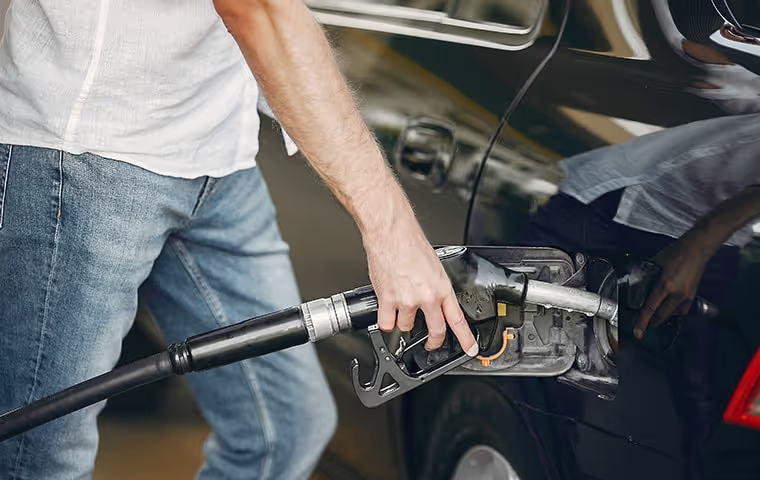
If you’re not already using fuel cards for your fleet, you’re leaving money on the table. These cards are used similar to credit cards, but typically tied specifically to fuel purchases. Fuel card programs offer discounts on fuel of a few cents per gallon. While this may not sound like much, it can really add up for a fleet that purchases hundreds or thousands of gallons per year, per vehicle.
There are many fleet fuel card options available, each with its own network of gas stations where fleet drivers can fill up for less. When choosing a card, it’s important to consider which fueling stations are available on your drivers’ typical routes to be sure you’re getting the most out of the program.
Another benefit of fuel card programs is they make it easier to monitor driver purchasing and fuel use across your fleet. They also make it easier for drivers to fuel up without having to worry about payment methods or expense reporting.
Set advanced fuel card controls
Fuel cards offer more than just discounts at the pump; they give you direct control over your fleet's fuel spending. You can set clear rules for your drivers by programming cards to only allow certain fuel types, specific gas stations, or daily spending limits. This ensures every gallon purchased aligns with your company's policy and helps prevent unauthorized purchases.
When you combine fuel card data with a GPS fleet tracking solution, you get an even clearer picture of fuel efficiency. This integration allows you to verify that fuel purchases are made at the vehicle's location, reducing the risk of misuse. You can also monitor behaviors like excessive idling, which consumes fuel without getting any work done, and provide drivers with feedback to encourage more efficient habits.
Encourage Safer Driving to Cut Fuel Costs
Promoting a culture of safety within your fleet is paramount to a successful operation, but did you know it can also help you save on fuel costs? It’s true. Several risky driving behaviors are also wasteful when it comes to fuel spending:
- Speeding: Vehicles burn more fuel when driving fast. The best fuel efficiency occurs at speeds between 30mph and 45mph. Obviously, this rate of speed won’t work for highway driving, but the closer drivers stay to it, the more savings you’ll see.
- Harsh Acceleration and Braking: Smooth driving is the best option for both safety and fuel economy. Rather than accelerating quickly and braking hard, get up to speed gradually and coast into stops as much as possible.
- Shift Carefully: For vehicles with manual transmissions, the way the driver shifts gears can have a significant impact. Try to use the highest gear appropriate and shift smoothly when changing gears.
- Check Tires: Keeping your vehicles’ tires properly inflated is a simple way to save on fuel costs. Underinflated tires can cost .4% of gas mileage for each psi under the correct reading.
- Use Cruise Control: Drivers who regularly use cruise control will see a dramatic drop in fuel consumption. Not only that, it can also reduce engine stress, leading your vehicles to last longer and perform better.
Reduce unnecessary idling
A running engine that isn't moving is a major source of wasted fuel. While some idling is unavoidable, like at a stoplight, extended periods of idling while parked at a job site or during a lunch break can really add up. In fact, idling burns fuel unnecessarily and contributes to higher emissions and engine wear. Setting a clear policy on idling and using fleet tracking software to monitor it can make a significant difference. This allows you to see which vehicles are idling excessively and address the issue directly with drivers, turning a wasteful habit into a source of savings.
Address aggressive driving habits
Rapid acceleration, speeding, and harsh braking don't just put your drivers and vehicles at risk—they also burn through fuel at an alarming rate. Aggressive driving can reduce fuel economy by up to 40% in stop-and-go traffic, which directly impacts your fuel budget. Encouraging smoother, more defensive driving techniques is key to improving fuel efficiency. You can identify these behaviors with tools like AI-powered dashcams, which provide visibility into what’s happening on the road. This data helps you offer targeted coaching to drivers who need it most, leading to safer roads and more fuel in the tank.
Provide driver feedback and incentives
Your drivers are on the front lines of fuel consumption, but they may not always be aware of how their actions impact the bottom line. Providing them with regular feedback is essential. Using telematics to monitor driver performance can generate reports that help drivers improve their habits over time. But why stop at feedback? A driver rewards program can turn fuel efficiency into a friendly competition. By recognizing and rewarding top-performing drivers for safe and efficient habits, you can motivate your entire team to adopt better practices that save fuel and reduce risk.
Establish a clear speeding policy
Driving too fast is not only dangerous, but it's also a significant drain on your fuel budget. As vehicle speed increases, fuel efficiency decreases sharply. Establishing and enforcing a clear company-wide speeding policy is a straightforward way to tackle this issue. The policy should outline acceptable speeds and the consequences of violations. To ensure compliance, you can use fleet management tools to set up real-time alerts that notify you when a driver exceeds the speed limit. This allows you to address the behavior immediately, reinforcing your commitment to both safety and efficiency.
Improve vehicle maintenance and condition
Beyond driver behavior, the physical condition of your vehicles plays a huge role in fuel consumption. A well-maintained vehicle is an efficient vehicle. Integrating regular checks and proactive maintenance into your fleet’s routine not only extends the life of your assets but also delivers significant fuel savings. Small adjustments and consistent upkeep can lead to big results at the pump.
Follow a comprehensive maintenance schedule
Staying on top of routine maintenance can improve your gas mileage by as much as 4%. When engines are tuned, fluids are topped off, and filters are clean, your vehicles don't have to work as hard, which means they use less fuel. The manufacturer's suggested maintenance schedule is your best guide for keeping vehicles in peak condition. Using a system to track and automate these reminders ensures nothing gets missed. Tools that help you manage scheduled maintenance can take the guesswork out of the process, sending alerts for upcoming service so your fleet stays efficient and on the road.
Reduce vehicle weight
It’s a simple matter of physics: the heavier the vehicle, the more fuel it needs to move. Every extra 100 pounds can reduce a vehicle's fuel efficiency by about 1%. Encourage your team to regularly clean out their vehicles and remove any tools, equipment, or materials that aren't needed for the day's work. While some equipment is essential, unnecessary items add up, forcing the engine to burn more fuel for every mile traveled. Making this a regular habit across your fleet can lead to noticeable savings over time.
Improve vehicle aerodynamics
Wind resistance, or drag, forces your vehicle’s engine to work harder to maintain speed, especially on the highway. You can reduce drag in a few simple ways. Keeping windows rolled up at high speeds prevents air from getting trapped inside the cab and slowing the vehicle down. Additionally, removing unused roof racks or cargo boxes can make a significant difference. For larger trucks, adding trailer side skirts can streamline the vehicle's profile, cutting down on drag and improving fuel economy on long hauls.
Maintain proper tire pressure
Checking tire pressure is one of the quickest and most effective ways to improve fuel efficiency. Properly inflated tires can improve gas mileage by up to 3%. When tires are underinflated, the engine has to work harder to move the vehicle, wasting fuel. For every 1 PSI drop below the recommended pressure, fuel efficiency decreases by 0.2%. Make tire pressure checks a mandatory part of your drivers' daily pre-trip inspections. It’s a small step that protects your tires, keeps drivers safe, and provides an immediate return in fuel savings.
Optimize Your Routes to Reduce Fuel Costs
How you drive makes a significant difference, but so can when and where you drive. By optimizing routing for your fleet, you’ll not only make it more efficient, you’ll save on fuel expenses as well.
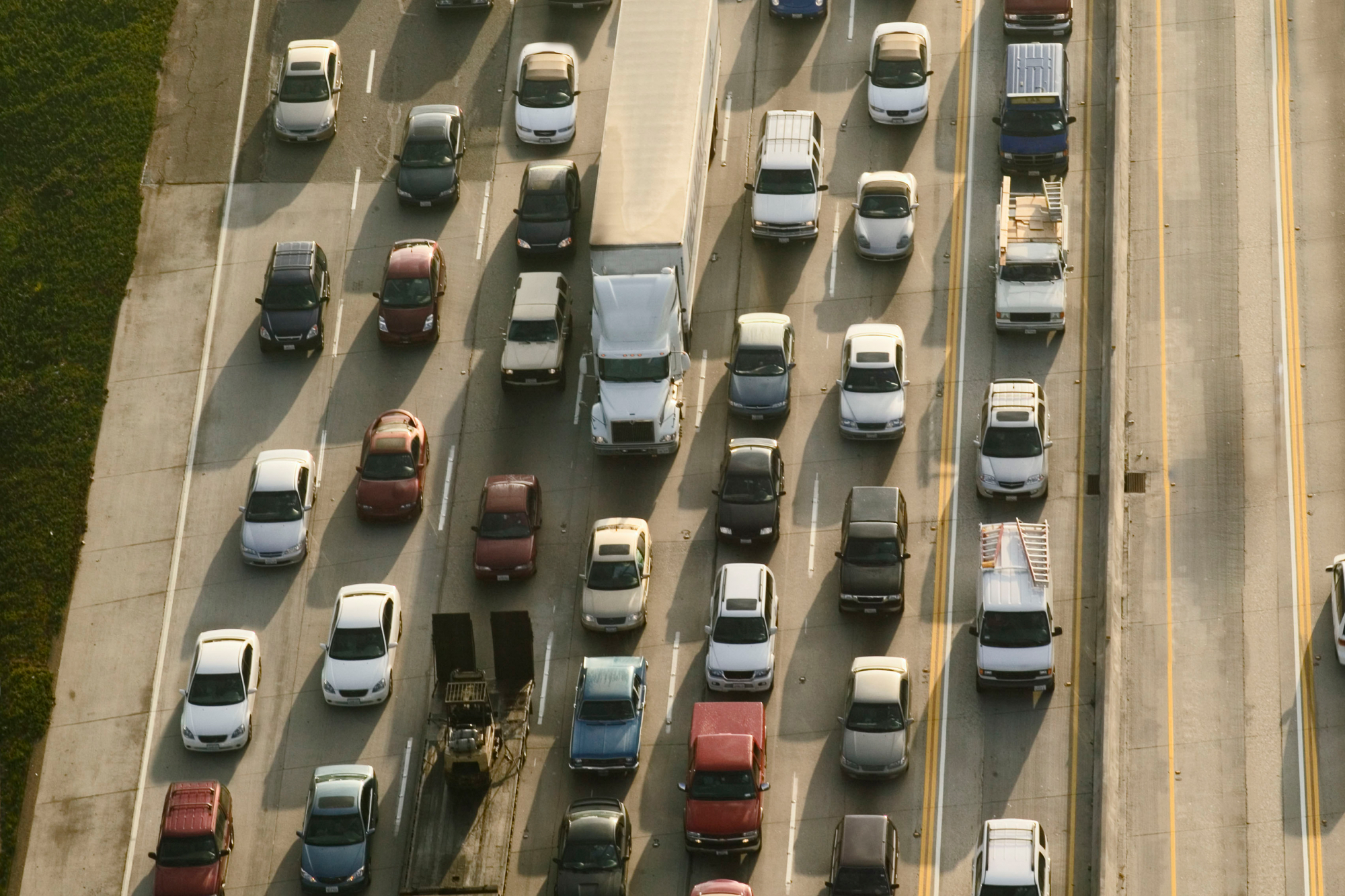
When fleet vehicles get stuck sitting in traffic or have to drive routes that double back on themselves repeatedly, they’re burning fuel unnecessarily. The best way to avoid this is with real-time optimized routing.
A good real-time routing program can offer your fleet the best pathways to avoid problems like traffic jams, construction delays, and road hazards. You’ll also be able to calculate, on the fly, the best way to slot in new stops or skip past cancellations.
The more efficient your routing is, the less fuel you’ll burn through. You’ll also gain all the benefits of a more efficient fleet, allowing drivers to arrive at their destinations quicker and get back to the yard or home office safely.
Plan for smoother roads and fewer stops
The shortest route isn't always the most fuel-efficient. Planning trips that prioritize smoother roads with fewer stops can significantly reduce your fleet's fuel consumption. Stop-and-go traffic is a major drain on your fuel tank, since accelerating from a standstill requires far more energy than maintaining a consistent speed. By finding paths that bypass numerous traffic lights and congested areas, you help drivers maintain a steady, efficient pace.
Modern route optimization tools make this level of planning simple. They can analyze routes not just for distance, but for factors like the average number of stops and typical traffic flow. This helps you build schedules that are truly efficient, minimizing unnecessary idling and harsh braking. A well-planned route conserves fuel and allows your drivers to complete their jobs more quickly and safely, improving the productivity of your entire operation.
Make Strategic Fleet Decisions
Beyond daily driving habits and routes, the vehicles you use play a huge role in your fleet's fuel consumption. Making smart, long-term decisions about your fleet's composition can lead to significant operational improvements. It’s about ensuring every vehicle is perfectly suited for its task and that your fleet evolves with technology.
Choose the right vehicle for the job
Using the right vehicle for the job, often called "right-sizing," is a fundamental way to improve fuel efficiency. A large truck making a small, local delivery burns far more fuel than necessary. Instead, consider smaller, lighter vehicles for shorter routes or lighter loads. This simple switch can make a big difference in your fuel budget.
Additionally, vehicle weight directly impacts fuel use. Every extra 100 pounds can reduce fuel efficiency by about 1%, so it's important to only carry essential tools and equipment. Using a fleet tracking solution can provide insights into vehicle utilization, helping you identify which assets are oversized for their typical jobs and where you can make strategic swaps.
Upgrade your fleet over time
While maintaining your current vehicles is crucial, planning for future upgrades is just as important. Older vehicles are often less fuel-efficient than their modern counterparts. Replacing them over time with newer models, hybrids, or even electric vehicles is a powerful long-term strategy for reducing fuel consumption.
This isn't about replacing your entire fleet at once. It's about creating a strategic replacement cycle. You can use data on fuel usage and maintenance events to pinpoint which vehicles are the best candidates for an upgrade. A robust scheduled maintenance program helps you get the most out of your current assets while also highlighting when a vehicle's upkeep is becoming excessive, signaling it may be time to invest in a more efficient replacement.
How Azuga Helps You Reduce Fleet Fuel Costs
It should be no surprise that Azuga’s fleet management tools can help you achieve all of these fuel-saving goals.
Azuga has always been heavily invested in helping fleets promote a culture of safety. Our tracking systems can show you exactly when and where risky behaviors occur. We can also provide customized safety training for your drivers, based on their performance on the road. We even have a safe driving rewards program to encourage friendly competition among drivers to improve their safety ratings.
Our real-time route optimization software is some of the best in the industry. We can help your drivers avoid problem areas and get to each stop on their route safely and efficiently. Our routing even updates in real time to allow you to add or remove stops, or to get drivers around hazards and traffic problems.
Finally, we integrate seamlessly with several of the leading fuel card programs. When you combine our top-of-the-line telematics technology with your favorite fuel card’s tracking, it will be a breeze to see where and when fuel is being wasted or conserved.
Wondering just how much you could be saving? Check out our ROI calculator to see how much you could save on fuel, insurance premiums, improved safety, and maintenance expenses. Then contact us to discuss all of the many benefits we can offer for your fleet business.
Frequently Asked Questions
What's the most effective first step I can take to reduce fuel consumption? Start by focusing on two key areas: idling and tire pressure. Addressing excessive idling provides an immediate return, as it cuts out fuel waste when vehicles aren't moving. Similarly, making sure all vehicle tires are properly inflated is a quick, simple check that can improve gas mileage right away. These actions don't require a major operational overhaul but can produce noticeable savings.
My drivers are resistant to change. How can I get them on board with new fuel-saving habits? Getting your team's support starts with clear communication and positive reinforcement. Explain how safer, smoother driving benefits everyone, not just the company's bottom line. Use data from telematics to provide specific, constructive feedback rather than making general complaints. You can also introduce a driver rewards program to create friendly competition and recognize individuals who consistently demonstrate efficient driving habits.
How significant is the link between vehicle maintenance and fuel efficiency? The connection is incredibly strong. A well-maintained vehicle runs more efficiently because its engine doesn't have to work as hard. Simple things like regular oil changes, clean air filters, and properly inflated tires reduce resistance and strain on the engine. Following a consistent maintenance schedule is one of the most reliable ways to keep your fuel consumption low and extend the life of your vehicles.
Can route optimization really save more fuel than just finding the shortest path? Absolutely. The shortest route is often not the most efficient one. It might include more stop-and-go traffic, numerous stoplights, or steep hills, all of which burn extra fuel. True route optimization considers these factors to find the smoothest, most consistent path, which minimizes harsh braking and acceleration. This leads to better fuel economy and often results in faster, more predictable arrival times.
How do I know if these changes are actually making a difference? The best way to measure your success is by tracking your data. Integrating fuel card information with a fleet management solution gives you a clear view of fuel purchases and consumption for each vehicle. By monitoring metrics like miles per gallon, idling time, and instances of speeding over time, you can see clear trends and quantify the impact of your new policies and driver coaching efforts.
Key Takeaways
- Focus on driver habits: Small changes in driving behavior, like maintaining steady speeds and reducing idle time, add up to significant fuel savings. Use telematics data to provide targeted feedback and encourage safer, more efficient practices on the road.
- Prioritize vehicle health and route planning: A well-maintained vehicle on the smartest route is a fuel-efficient one. Follow a consistent maintenance schedule and use route optimization tools to cut down on unnecessary mileage, traffic, and stops.
- Leverage technology for better oversight: Integrate fuel cards with GPS tracking to monitor fuel purchases and consumption in real time. This combination gives you the data needed to enforce fueling policies and identify opportunities for improvement across your entire fleet.