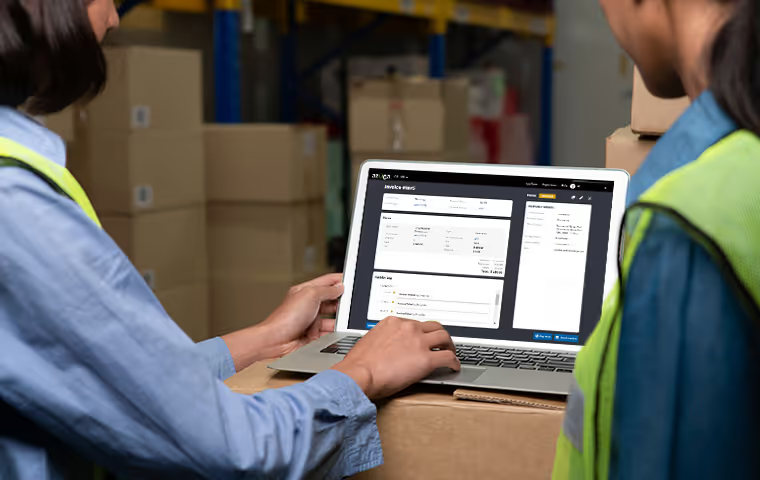
Fleet technology has moved far beyond clunky, office-bound software. If your current tools require manual updates or limit your access when you’re in the field, you're working harder than you need to. The future of fleet operations is flexible and powerful. A cloud based fleet management system gives you secure access to all your data from any device, with nothing to install. This evolution in cloud field service management is essential for keeping your fleet competitive. We'll explain what a cloud system is, how it works, and why making the switch keeps your operation efficient and ready for what’s next.
What Is a Cloud-Based Fleet Management System?
Cloud-based software is also known as Software as a Service, or SaaS. The cloud simply means that there isn’t anything to install or load. You access your data via a network of remote servers hosted on the internet instead of a local server. With cloud software, you don’t need computers in your office to run software programs. You simply need access to the internet. What advantages does cloud-based field service management software bring to your company? We will go over that as well.
The Core Goals of Cloud-Based Fleet Management
Improve operational efficiency
A cloud-based system acts as a central command center for your entire operation. It provides a complete, real-time view of all your vehicles, drivers, and equipment from any device with an internet connection. This means you can stop guessing and start making smarter decisions. With live fleet tracking, you can dispatch the nearest driver to a new job, find more efficient paths with route optimization, and cut down on idle time that wastes fuel. Having all your operational data in one accessible place allows you to respond quickly to changes and keep your business moving forward, giving you more control over your daily activities and long-term strategy.
Increase driver and vehicle safety
Keeping your team safe on the road is a top priority, and cloud technology offers powerful tools to make that happen. Smart, AI-powered dashcams serve as an unbiased witness, recording what really happens during an incident. This footage protects your drivers from false claims and provides clear, coachable moments to improve their habits behind the wheel. The system can automatically detect and flag risky behaviors like harsh braking or speeding, allowing you to address them proactively. By focusing on driver safety, you not only protect your employees but also reduce accident-related expenses and improve your company's reputation.
Ensure regulatory compliance
Navigating the complex web of industry regulations can be a major headache, but a cloud-based system simplifies the entire process. For commercial fleets, these systems work seamlessly with Electronic Logging Devices (ELDs) to automate Hours of Service (HOS) tracking. This gets rid of cumbersome paper logs and minimizes the risk of human error. Fleet managers can easily view driver availability, check statuses in real-time, and receive alerts for potential violations before they occur. This proactive approach helps you maintain compliance effortlessly, avoiding fines and keeping your vehicles on the road where they belong.
Manage vehicle and asset maintenance
Unexpected vehicle breakdowns can bring your operations to a grinding halt and lead to expensive repairs. Cloud-based fleet management helps you shift from reactive fixes to proactive care. The system tracks crucial data like engine hours, mileage, and diagnostic trouble codes directly from the vehicle. Based on this information, it automatically sends alerts when a vehicle is due for service. This allows you to schedule preventive maintenance at a convenient time, preventing major issues down the road. By keeping your vehicles and equipment in top condition, you extend their lifespan and avoid the disruption of unplanned downtime.
Why Switch to a Cloud-Based Fleet Management Solution?
Skip the Installation and Get Straight to Work
There’s nothing to install with cloud-based software. You start with an authorized user or two, and from there, you can create user accounts for additional users you might need.
Manage Your Fleet from Anywhere, Anytime
Fleet drivers and managers can’t always be at their desks like employees of many industries. That’s why remote access is key to cloud field service management software. Access your software from a phone, tablet, laptop, or PC anytime you need to, with no difficulty at all!
A UNIFIED PLATFORM FOR YOUR TEAM
Cloud-based systems create a central hub where your entire team can connect and collaborate. Instead of information being siloed, managers, drivers, and technicians can all see and share data in the same online space, no matter where their workday takes them. This ensures everyone is on the same page, which is critical for smooth operations. For example, a driver can log an issue from the road, and a technician can immediately see the update back at the shop. This level of coordination is made possible because the software works seamlessly across different devices. With a powerful fleet mobile app, your team has full access from their phones or tablets, empowering them to respond quickly and keep the business moving forward.
Enjoy Automatic, Hassle-Free Updates
Updating traditional software can be a huge hassle. This is not the case with cloud-based software. You don’t even need to click a button to update your cloud-based software; it automatically grabs the necessary updates from the internet and keeps your software up to date.
Keep Your Fleet's Data Secure
Security may seem like a more significant concern with all your data online, but this is not the case. Cloud-based solutions have high-security protocols and frequent updates that prevent hackers from accessing your important and confidential information. You control who accesses your data, and you don’t need to worry about anyone unsavory coming in.
Say Goodbye to Stacks of Paperwork
These days, paperwork is a needless hassle that no one wants. Cloud-based solutions mean that your data is available anywhere, so there’s no need for paperwork to bog you down and stress you out. Know where everything you need is at any given time!
CENTRALIZED DIGITAL DOCUMENT STORAGE
One of the biggest wins with a cloud-based system is finally getting rid of overflowing file cabinets. All your essential documents—vehicle registrations, insurance cards, driver licenses, and maintenance records—are stored in one secure, digital hub. A smart system can even track expiration dates and send reminders for you, so you’re never caught off guard by an expired tag or license again and can maintain your compliance management with ease.
This digital access means your team can pull up exactly what they need, right when they need it. Whether a driver needs to show proof of insurance during a stop or a manager needs to verify a certification from the office, the information is available instantly. With a comprehensive platform and a tool like the Azuga Fleet Mobile App, everyone stays in sync and on the right side of the rules, no matter where the job takes them.
Get Real-Time Insights for Smarter Decisions
One of the best things about cloud-based software is that it works in real-time. Anything you need to know is immediately updated as it’s happening, meaning you can ensure that the data you are looking at is up-to-date and accurate at any time.
LIVE FLEET MAPS
Trying to juggle the locations of all your vehicles can feel like an impossible task, especially when your team is spread out across different job sites. Cloud-based systems solve this by giving you a live fleet map. You can see your whole fleet on one easy map, and zoom in or out to see specific details or the big picture. This means you can visualize your entire operation at a glance, from a high-level overview down to the exact location of a single truck. This unified view makes it easier to dispatch the nearest driver to a new job, monitor route progress in real-time, and respond quickly to any unexpected delays or customer calls. It’s about having the full context you need to make smarter, faster decisions without having to piece information together from multiple sources.
FREQUENT DATA UPDATES
Real-time data is only useful if it’s actually happening in real-time. The best cloud systems don't just update occasionally; some check on your vehicles as often as every 10 seconds to give you the latest information. This rapid refresh rate is crucial because it powers more than just a dot on a map. Cloud systems provide better real-time alerts about vehicle issues than older, on-premise systems. You can be notified instantly about unsafe driving events like harsh braking or speeding, or get diagnostic trouble codes straight from the vehicle’s engine. This allows for proactive management, letting you address a small maintenance issue before it becomes a major breakdown or coach a driver on a risky habit before it leads to an accident.
Rest Easy Knowing Your Data Is Backed Up
The risk of losing data is always a concern with traditional software or even paperwork. Losing data can hinder your business’s operations and hurt your company significantly. However, cloud-based data never gets lost. You don’t have to worry about losing information when it is stored in the cloud.
Scale your solution as your business grows
Your business isn't static, and your fleet management tool shouldn't be either. What works for a five-vehicle fleet might not cut it for a fifty-vehicle operation, and a key advantage of a cloud-based system is its inherent flexibility. It's built to expand right alongside your business. As you add more vehicles, drivers, or even different types of equipment, the system seamlessly accommodates them without a drop in performance. You won’t face the headache and disruption of outgrowing your software and having to start from scratch. This means you can focus on strategic growth, confident that your fleet tracking platform can keep up every step of the way.
Key Features for Modern Fleet Operations
A cloud-based system is more than just a place to store data; it’s a command center for your entire operation. The right features can transform how you manage everything from daily routes to long-term vehicle health. These tools are designed to give you real-time insights and control, helping you run a smarter, safer, and more efficient fleet. When every mile and every driver matters, having these capabilities at your fingertips makes all the difference. Let's look at the core features that empower modern fleet managers to get more done with less stress.
Enhance efficiency with performance monitoring
Boosting your fleet's efficiency starts with understanding its performance. Cloud-based software gives you a clear view of what’s happening on the ground, turning raw data into actionable insights. By monitoring key metrics, you can pinpoint areas for improvement, from the routes your drivers take to their habits behind the wheel. This isn't about micromanagement; it's about making informed decisions that save fuel, reduce wear and tear on vehicles, and help your entire team operate more smoothly. You’re not just tracking vehicles; you’re building a more productive operation from the ground up.
OPTIMIZE ROUTES AND REDUCE IDLING
Wasted fuel and time can quietly drain your resources. A powerful cloud-based system uses real-time GPS data to find the most efficient routes for your drivers, helping them avoid traffic jams and unnecessary delays. This level of route optimization does more than just save time; it significantly cuts down on fuel consumption from excessive idling. By ensuring every vehicle follows the best path, you can complete more jobs, keep customers happy, and improve your bottom line, one trip at a time.
IMPROVE DRIVING HABITS WITH DRIVER SCORECARDS
Your drivers are the heart of your fleet, and supporting them is key to success. Modern fleet software creates driver scorecards to help you coach your team on safe and efficient driving habits. These reports track behaviors like speeding, harsh braking, and rapid acceleration. Using this data, you can provide targeted feedback and even implement a driver rewards program to encourage improvement. Better driving not only enhances safety but also saves fuel and reduces wear on your vehicles, contributing to long-term operational health.
Protect drivers and assets with AI dashcams
Safety is more than a compliance checkbox—it's a cornerstone of a high-performing fleet. The introduction of artificial intelligence has transformed vehicle safety, offering proactive protection for your drivers and vehicles. Smart dashcams act as an unbiased witness on the road, providing a clear picture of events as they unfold. This technology helps you build a strong safety culture, protect your team from false claims, and gain peace of mind knowing your most valuable assets are accounted for.
PROACTIVE IN-CAB ALERTS
The best way to handle an incident is to prevent it from happening in the first place. Smart dashcams with AI use advanced algorithms to detect risky behaviors like distracted driving or tailgating in real time. When a potential issue is identified, the system can provide an immediate in-cab alert to the driver, giving them a chance to correct their course before an accident occurs. This proactive coaching helps reinforce safe driving habits on every trip, protecting your driver, your vehicle, and the public.
VIDEO EVIDENCE FOR INCIDENT REVIEW
When an incident does occur, context is everything. AI dashcams record what happens on the road, providing clear video evidence that can be crucial for incident reviews. This footage can help you understand the root cause of an accident and, more importantly, can help fight false claims. Having indisputable video evidence can save your company from unwarranted liability and protect your driver's record, ensuring fairness and accuracy when it matters most.
Simplify compliance and inspections
Staying on top of regulations can feel like a full-time job. From Hours of Service (HOS) logs to vehicle inspection reports, the paperwork can be overwhelming. Cloud-based fleet management software automates many of these tedious tasks, freeing up your drivers and administrative staff to focus on more important work. By digitizing compliance, you not only reduce the risk of human error but also create a streamlined, auditable record that keeps your operation running smoothly and within legal guidelines.
AUTOMATED HOURS OF SERVICE LOGGING
For trucking and delivery companies, HOS regulations are non-negotiable. Cloud-based systems work with Electronic Logging Devices (ELDs) to automatically log driver hours, removing the burden of manual paper logs. This ensures your records are always accurate and compliant with federal mandates. With automated ELD solutions, drivers can focus on the road ahead, not on paperwork, while managers can easily monitor HOS status to prevent violations before they happen.
STREAMLINED DIGITAL VEHICLE INSPECTIONS
Regular vehicle inspections are critical for safety and compliance. Digital Vehicle Inspection Reports (DVIRs) replace cumbersome paper forms with a simple, streamlined process that drivers can complete on a mobile device. This digital workflow makes it easy to document issues, attach photos, and instantly notify maintenance teams of needed repairs. It also helps you plan maintenance more effectively and significantly reduces your risk during audits by ensuring all inspection records are complete, organized, and easily accessible.
Automate proactive maintenance schedules
Unexpected vehicle downtime is one of the biggest threats to a fleet's productivity. A reactive approach to maintenance—fixing things only after they break—leads to costly repairs and disrupted schedules. Modern fleet management shifts the focus to proactive care. By using vehicle data to predict maintenance needs, you can schedule service *before* a small issue becomes a major breakdown, keeping your vehicles on the road and operating at peak performance.
DIAGNOSTIC ALERTS AND WORKFLOWS
Your vehicles are constantly generating valuable data about their health. A cloud-based system tracks engine usage, mileage, fluid levels, and diagnostic trouble codes (DTCs). When a vehicle is due for service or a potential issue is detected, the system automatically sends an alert. This allows you to create scheduled maintenance workflows and address problems proactively, minimizing the risk of breakdowns and extending the life of your assets.
MAINTENANCE ANALYTICS AND REPORTING
Data-driven decisions are key to an effective maintenance strategy. Fleet management software provides detailed analytics and reporting on vehicle health, service history, and repair trends. This information helps you identify recurring problems, track maintenance effectiveness, and forecast future needs. By analyzing this data, you can refine your maintenance schedules to reduce downtime and ensure your fleet remains reliable and ready for work.
Integrate systems and mobilize your workforce
A truly effective fleet management solution doesn't operate in a silo. It connects your people, vehicles, and existing systems on a single, unified platform. This integration provides total visibility across your entire operation, from the big picture down to the smallest detail. When your whole team can see and share information in the same online space, no matter where they are, communication improves, and everyone can work together more efficiently.
CONNECT WITH YOUR EXISTING TELEMATICS
Whether you have a mixed fleet or existing hardware, a flexible cloud platform can bring it all together. You can see your entire fleet on one easy-to-use map, with the ability to zoom in for specific details or zoom out for a high-level overview. This centralized view is essential for effective fleet tracking and management. It eliminates the need to juggle multiple systems and gives you a single source of truth for making quick, informed decisions.
INSTANT VEHICLE DATA WITH QR CODE SCANNING
Mobilizing your workforce means giving them the tools they need to be effective in the field. With features like QR code scanning available through a fleet mobile app, drivers and technicians can instantly pull up vehicle information, service histories, and inspection reports on the spot. This immediate access to data empowers your team to make smart decisions without having to call back to the office, improving efficiency and ensuring everyone is on the same page.
Is a Cloud-Based Solution Right for Your Fleet?
If you’re looking for a cloud-based solution that meets all of your field service management needs, look no further than Azuga. Azuga offers features that streamline your operations and keep your fleet efficient while ensuring that your data is safe, secure, and easy to access in the cloud. Try a demo of Azuga and see for yourself how we can help change your fleet for the better.
Flexible plans for fleets of all sizes
Whether you’re managing a handful of vehicles or a fleet of hundreds, a cloud-based system adapts to your needs. As your business grows, the system can easily handle more vehicles without requiring you to purchase or maintain expensive on-site hardware. This inherent scalability means you get a solution that fits your operation right now and is ready to expand when you are. You can start with just a couple of authorized users and simply create new accounts as your team grows, ensuring everyone who needs access has it. This flexibility allows you to build a smarter, more efficient operation at a pace that makes sense for your business, giving you the tools to succeed without the burden of a rigid, oversized system.
Frequently Asked Questions
Is my company's data really secure if it's all online? That's a great question, and it's one we take seriously. It might feel like having data on a server in your office is safer, but cloud-based systems are built with multiple layers of advanced security. Think of it like a digital fortress. We handle all the security updates and monitoring for you, so your information is protected by dedicated experts. You still have complete control over who can see what, ensuring your sensitive fleet data is only accessible to the right people on your team.
My team isn't very tech-savvy. How hard is it to switch to a cloud-based system? This is a common concern, but you'll find that modern cloud systems are designed to be user-friendly. There is no complicated software to install on your computers, which removes a major technical hurdle right away. The interfaces are typically clean and intuitive, and since you can access them from any device (like a phone or tablet), they feel familiar to use. The goal is to get you and your team working smarter, not harder, so the system is built to be straightforward from day one.
Can I really manage my entire fleet from my phone? Absolutely. That's one of the biggest advantages of moving to the cloud. A good system comes with a powerful mobile app that gives you the same visibility and control you'd have from your desk. You can check a live map of your vehicles, dispatch a driver to a new job, review a safety alert, or check on a maintenance request, all while you're out in the field. It gives you the freedom to run your operation from anywhere, not just from behind a computer screen.
What if I have a mixed fleet with different vehicle types or even some existing hardware? That's a very practical situation that many fleets face. A flexible cloud platform is designed to handle this. It can integrate data from various sources, including different types of vehicles, equipment, and even existing telematics hardware you may already own. The system brings all that information together into one unified view, so you can see your entire operation on a single map without having to switch between different programs.
How does a cloud system help with vehicle maintenance? I thought it was just for tracking. While GPS tracking is a core function, a modern cloud system does much more. It connects directly to your vehicle's engine computer to monitor things like mileage, engine hours, and diagnostic trouble codes. When a vehicle is due for an oil change or a potential issue is detected, the system automatically sends you an alert. This allows you to schedule service proactively, helping you prevent unexpected breakdowns and keep your vehicles running reliably.
Key Takeaways
- Connect your team on one platform: A cloud-based system gives everyone, from drivers to managers, secure access to the same real-time information on any device. This keeps your entire operation coordinated and running smoothly, no matter where the workday takes them.
- Get ahead of problems with real-time data: Instead of reacting to breakdowns and incidents, use live information from GPS and vehicle diagnostics to manage proactively. This allows you to schedule maintenance before a vehicle fails and address risky driving habits before they lead to an accident.
- Automate tasks and reduce paperwork: Replace manual processes like paper logs and inspection forms with streamlined digital workflows. Automating these tasks saves time, reduces the risk of human error, and frees your team to focus on the job at hand instead of administrative hassles.