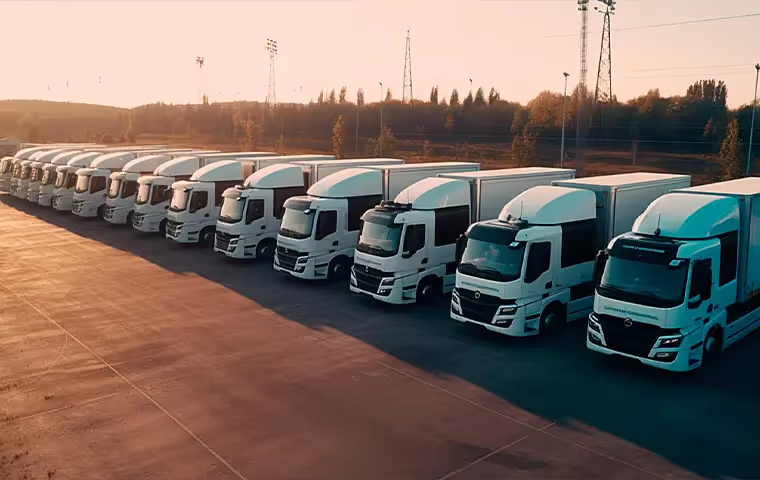
Sure, some parts of fleet management are universal—we all juggle maintenance, safety, and tracking. But let's be real: a construction company's fleet has completely different needs than delivery vans. This is why smart managers look for more than a one-size-fits-all solution. If you're asking, "who offers bundled service plans for construction fleets?", you're on the right track. True success comes from fleet customization. These tailored solutions ensure you get the most out of every vehicle, whether you're a large enterprise or one of many small businesses needing an edge.
Why fleet customization matters for your industry
We have established that fleet management is not a one-size-fits-all affair. To address this, managers must customize their suite of fleet management tools to meet their needs. These bespoke solutions can make a huge difference. Here’s why they’re so important:
- Meets Specific Requirements: It’s easy to see how a delivery fleet needs different management tools than a construction fleet. For example, a delivery company's fleet might require advanced GPS tracking for efficient route planning. Meanwhile, a construction fleet's trucks might need robust maintenance tracking due to rough terrain usage. Customized bundles cater to these specific needs.
- Increases Efficiency: Tailored solutions help fleets operate more efficiently. A taxi service’s custom bundle might include fuel-efficient route planning, leading to lower fuel costs and faster service. In contrast, a long-haul trucking company would benefit from bundles focusing on driver's hours tracking and optimal load management.
- Enhances Safety: Custom bundles can include specific safety features for different industries. As another example, a fleet of school buses would greatly benefit from custom safety features like real-time speed monitoring and child check systems. In contrast, a pharmaceutical delivery fleet might need temperature control monitoring for sensitive cargo.
- Adapts to Industry Changes: Industries evolve, and so do their needs. Customized fleet management can adapt quickly to these changes, keeping the fleet up-to-date.
In short, customizing your fleet bundles is a practical approach to ensure each fleet operates at its best, tailored to the unique demands of every industry. This customization is essential for any business wanting to stay ahead of the competition.
The core pillars of fleet management
While every industry has unique challenges, the foundations of successful fleet management are universal. Think of them as the core pillars holding up your entire operation. Whether you're managing a construction crew, a delivery service, or a team of HVAC technicians, focusing on these five areas will help you build a more efficient, safe, and reliable fleet. Mastering these fundamentals provides the stability you need to grow, adapt, and stay ahead. Let's look at what these pillars are and how they contribute to a stronger business foundation.
Vehicle and asset management
At its heart, fleet management is about knowing what you have and where it is. This pillar covers everything from your trucks and vans to expensive equipment like excavators or specialized tools. Effective asset management ensures that every vehicle and piece of machinery is accounted for and used effectively. Instead of wondering if a specific trailer is at the yard or on a job site, you have clear visibility. This comprehensive oversight helps you reduce downtime, prevent loss or theft, and make sure you’re getting the most out of every asset in your inventory.
Driver safety and behavior
Your drivers are your most important asset, and keeping them safe is a top priority. This pillar focuses on creating a strong safety culture through training, monitoring, and positive reinforcement. It’s not about playing "big brother," but about understanding on-road behaviors to coach drivers and prevent accidents before they happen. Using tools like AI dashcams can help identify risky habits like hard braking or speeding, providing concrete examples for constructive feedback. By promoting safer driving, you protect your team, your vehicles, and your company’s reputation.
Operational efficiency
Running a lean and effective operation is key to long-term success. This pillar is all about minimizing waste and maximizing productivity. Inefficiencies like poor routing, excessive idling, or disorganized dispatching can lead to significant operational drains and project delays. By implementing smart route optimization, you can ensure drivers take the most efficient paths, saving fuel and time. Real-time tracking also allows you to adjust to unexpected traffic or schedule changes on the fly, keeping your entire operation running smoothly and your customers happy.
Compliance and regulation
Navigating the web of local, state, and federal regulations is a critical part of fleet management. This pillar involves ensuring your fleet adheres to all necessary rules, from Hours of Service (HOS) logs to vehicle inspection requirements. Staying on top of compliance and regulation is not just about avoiding fines; it’s about operating professionally and responsibly. Modern ELD solutions can automate much of this process, making it easier to maintain accurate records and prove compliance during roadside inspections, which frees you up to focus on other aspects of the business.
Maintenance and lifecycle
Keeping your vehicles and equipment in top condition is essential for reliability and longevity. This pillar shifts the focus from reactive repairs to proactive maintenance. Instead of waiting for a breakdown to sideline a vehicle, a proactive strategy helps you stay ahead of issues. With scheduled maintenance alerts based on diagnostic trouble codes or mileage, you can address small problems before they become big, expensive ones. This approach not only prevents unexpected downtime but also extends the operational life of your valuable assets.
Tailored fleet solutions for key industries
We’ve already seen examples of how different industries can use various technology solutions. Let’s expand further on some of these industries.
Solutions for logistics and transportation fleets
In the logistics industry, fleets are the backbone of operations. Tailoring your fleet management package plays a vital role here. Customizations for logistics fleets might include:
- Advanced Tracking Systems: To monitor deliveries in real-time, ensuring timely service.
- Efficient Route Planning: To avoid delays and reduce fuel costs.
- Load Optimization: For maximizing cargo space and reducing the number of trips.
These tailored solutions ensure logistics companies stay ahead in a competitive market by optimizing their operations.
Bundled service plans for construction fleets
For the construction industry, where the terrain and load demands are unique, a customized fleet package might include:
- Heavy-duty Maintenance Tracking: To handle the harsh conditions of construction sites.
- Enhanced Safety Features: Features like vehicle stability controls and robust tire pressure monitoring are crucial for construction vehicles.
- Material Tracking Capabilities: To keep track of construction materials in transit.
These features help construction companies ensure their workflows are efficient, safe, and fully equipped for the rigors of the industry.
Addressing the unique challenges of construction fleets
Construction fleets operate in a world of their own. Unlike fleets that stick to paved roads, these vehicles and heavy machines—from dump trucks to excavators—face demanding conditions on job sites. They navigate rough terrain, carry heavy loads, and work in environments that can change by the hour. This means standard fleet management approaches often don't cover all the bases. A tailored solution must account for the diverse mix of assets, the harsh operating conditions, and the specific workflows of a construction project. Effectively managing this complex ecosystem requires tools built to handle the unique pressures of the industry, ensuring every piece of equipment is accounted for and operating correctly.
Managing heavy equipment and idle time
One of the biggest drains on a construction project is idle time. This happens when expensive machinery sits unused on a job site, not generating any value. A solid plan ensures the right equipment is at the right site exactly when it's needed, but that’s easier said than done. Without a clear view of where every asset is, it’s easy for scheduling conflicts and logistical gaps to appear, leading to wasted hours and project delays. This is where technology can completely change the game. By using robust asset management tools, managers gain real-time visibility into the location and status of every piece of equipment, making it simple to coordinate movements and minimize downtime.
Controlling fuel consumption and emissions
Heavy machinery is thirsty, and keeping fuel consumption in check is a constant challenge for construction fleets. Between powering large engines and extended periods of idling, fuel can become a massive operational expenditure. Efficiently managing fuel not only helps the bottom line but also reduces the environmental footprint of your projects. By implementing a fleet tracking system, you can monitor fuel usage across all your vehicles and equipment. This data helps identify wasteful habits, like unnecessary idling, and allows you to implement strategies that improve fuel economy, contributing to both financial and environmental sustainability.
Upholding job site safety and compliance
On a construction site, safety is everything. Ensuring that all equipment and work practices meet strict health, safety, and environmental regulations is non-negotiable. This goes beyond just safe driving on public roads; it involves the proper operation of heavy machinery, regular maintenance checks, and adherence to site-specific rules. Implementing a comprehensive fleet safety program with tools like AI-powered dashcams and automated maintenance alerts helps create a culture of safety. It provides managers with the insights needed to coach operators, verify compliance, and proactively address mechanical issues before they become hazards, protecting both your team and your business.
Improving efficiency for field service fleets
Service industries like pest control and plumbing have distinct requirements for fleet management. Customizations for service fleets like pest control and plumbing might include:
- Rapid Dispatch and Scheduling Systems: To ensure timely responses to customer calls. This feature is crucial for maintaining high service standards and customer satisfaction.
- Inventory Management: For tracking tools, equipment, and supplies. In pest control, this could mean monitoring chemicals and sprayers. For plumbing, it's about keeping tabs on pipes, fittings, and fixtures.
- Job Tracking and Customer Communication Features: To update customers on service status and job completion. This enhances transparency and trust.
- Vehicle Security and Safety Features: These vehicles often carry valuable tools and supplies, so enhanced security systems are vital.
Customized solutions for service fleets are not just about improving fleet operations; they're about enhancing the entire service delivery model.
Choosing your approach: Bundled vs. individual services
When you're looking to equip your fleet with management tools, you'll face a key decision: should you go with a bundled service plan or pick individual services one by one? Each path has its own set of pros and cons, and the right choice depends entirely on your fleet's specific needs, your operational style, and your long-term goals. Thinking through this decision carefully will help you build a technology stack that supports your team, improves efficiency, and provides a solid return on your investment. Let's break down what each approach entails so you can make an informed choice for your business.
The case for bundled service plans
Bundled service plans offer a comprehensive package of tools and features under a single umbrella. Think of it as an all-in-one solution where services like GPS tracking, maintenance scheduling, and driver safety monitoring are all included. This approach is often favored by managers who want a straightforward, integrated system without the headache of piecing together different solutions. A good bundle is designed to cover the core needs of a fleet, providing a holistic view of your operations from day one. It simplifies the procurement process and gets your fleet up and running with a full suite of tools quickly.
Benefit: Simplified budgeting and vendor management
Opting for a bundled plan can make your financial planning much more predictable. Instead of juggling multiple invoices from different providers, you have one consistent, all-inclusive payment. This simplifies budgeting and reduces administrative overhead. Managing a single vendor relationship also saves valuable time. You have one point of contact for support, training, and any questions that arise, which is far more efficient than coordinating with several different companies. This streamlined approach allows you to focus more on managing your fleet and less on managing your vendors.
Benefit: Seamless integration and performance
One of the biggest advantages of a bundle is that all the components are designed to work together smoothly. When you get your fleet tracking, dashcams, and route optimization from a single provider, you can be confident they will integrate seamlessly. This eliminates the technical headaches and compatibility issues that can come from mixing and matching services from different vendors. An integrated system provides a unified data stream, giving you a more accurate and complete picture of your fleet's performance and helping you make better-informed decisions to improve overall efficiency.
Drawback: Potential for underutilized services
While bundles offer a lot of value, there's a potential downside: you might end up with services you don't really need or use. If a package includes features that aren't relevant to your specific industry or operational model, you could be paying for functionality that goes to waste. For example, a local delivery service might not need the advanced compliance tools designed for long-haul trucking. It’s important to carefully evaluate what’s included in any bundle and compare it against your actual needs to ensure you're getting a solution that’s both comprehensive and relevant.
The flexibility of individual services
The alternative to a bundled plan is to select your fleet management services à la carte. This approach allows you to handpick the exact tools you need from one or more providers, creating a completely custom solution. For fleet managers who have very specific requirements or who prefer to build their technology stack piece by piece, this can be an attractive option. It gives you the ultimate control to create a system that is perfectly tailored to your fleet's unique challenges and priorities, ensuring that every tool in your arsenal serves a distinct and necessary purpose.
Benefit: Pay only for what you need
The most obvious advantage of choosing individual services is that you only select and pay for the exact tools your fleet requires. If your primary goal is to improve driver safety, you can invest in a top-of-the-line dashcam and driver coaching system without having to purchase a full suite of other features. This targeted approach ensures that your budget is allocated precisely where it will have the most impact, preventing you from spending on unnecessary extras. It’s a great way to build a lean, effective management system that directly addresses your most pressing needs.
Benefit: Adaptable to changing business needs
A key benefit of the individual service model is its inherent flexibility. As your business grows or your operational needs change, you can easily add or remove services. If you expand into a new territory that requires ELD compliance, you can add that specific solution. If you acquire a new set of high-value equipment, you can implement an asset management tool. This adaptability allows your fleet management system to evolve alongside your business, ensuring you always have the right tools for the job without being locked into a rigid, long-term plan.
Drawback: Complexity in managing multiple providers
While flexibility is a major plus, managing services from multiple providers can quickly become complicated. Juggling different contracts, invoices, and support contacts can consume a significant amount of your time and administrative resources. Furthermore, ensuring that different systems can communicate and share data with each other can be a major technical challenge. Without seamless integration, you might end up with data silos and an incomplete view of your operations, which can undermine the very efficiency you’re trying to create.
The strategic advantages of bundling services
Beyond the day-to-day operational benefits, choosing a bundled service plan can offer several strategic advantages that contribute to the long-term health and success of your fleet. When you partner with a provider that offers a comprehensive, integrated solution, you're not just buying a set of tools; you're adopting a standardized platform for excellence. This approach can influence everything from the quality of your work to your ability to attract top talent and partners. A well-designed bundle creates a cohesive ecosystem that streamlines workflows, improves quality, and helps you tackle large-scale challenges more effectively.
Attracting experienced service partners
A standardized, bundled approach can make your company more attractive to experienced contractors and service partners. When they see you're using a comprehensive and professional fleet management system, it signals that your operations are organized and efficient. Many experienced partners prefer to work with companies that have standard, effective methods in place, as it often makes collaboration smoother and more predictable. This can give you an edge in securing high-quality partners who are confident in your ability to manage projects and logistics effectively.
Improving work quality through standardization
Bundling services from a single provider helps create a standard for quality and performance across your entire fleet. When all your drivers and vehicles are operating on the same system—from route optimization to safety monitoring—it’s easier to implement and enforce consistent procedures. This standardization can lead to higher quality work, fewer errors, and a more professional service delivery. It ensures that every member of your team is aligned with the company's goals for safety and efficiency, creating a culture of excellence that customers will notice.
Efficiently clearing project backlogs
For many fleet managers, there's a long list of projects and improvements they'd like to implement but struggle to find the time for. A bundled solution can help you tackle this backlog more efficiently. By providing a single, integrated platform, it streamlines the process of rolling out new initiatives. Whether you're trying to improve fuel efficiency across the fleet or implement a new driver rewards program, a bundled system provides the tools and data you need to manage and execute these projects effectively, helping you catch up and get ahead.
How Azuga delivers true fleet customization
Tailored solutions are essential in any industry. Azuga is leading the way with our customizable fleet bundles: BasicFleet, SafeFleet, and CompleteFleet. Each bundle caters to different needs and scales of operations.
- BasicFleet: Ideal for small businesses or those new to fleet management. It covers all the fundamental aspects, providing a solid foundation for efficient fleet operation.
- SafeFleet: Focuses on safety, perfect for industries where vehicle and driver safety are paramount. This bundle is a step up for those who want to prioritize risk management.
- CompleteFleet: As the name suggests, it's a comprehensive solution for those who need it all - efficiency, safety, and advanced management tools.
The beauty of these bundles lies in their adaptability. Whether you run a small plumbing business or a large logistics company, Azuga's solutions can be tailored to fit your unique industry needs. Try a demo of Azuga's fleet bundles and see how they can transform your fleet management experience.
Frequently Asked Questions
What's the difference between bundled services and picking individual ones? Think of a bundled plan as an all-in-one solution where services like GPS tracking, maintenance alerts, and safety features are packaged together. This simplifies vendor management and ensures all your tools work together seamlessly. Picking individual services is more of an à la carte approach, where you select only the specific tools you need. This offers great flexibility but can lead to more complexity in managing different providers and making sure they integrate properly.
How do I know if my business needs a customized fleet solution? If you find that generic, off-the-shelf solutions don't quite address the specific challenges of your industry, it's time to consider customization. For example, a construction fleet has very different needs (like heavy equipment tracking and managing idle time) than a local delivery fleet (which might prioritize route optimization and customer updates). A customized solution ensures you're not paying for features you don't use and that you have the right tools to improve efficiency and safety for your unique operations.
Can a fleet management system really improve driver safety? Absolutely. Modern fleet systems go beyond simple tracking to actively promote a culture of safety. Tools like AI dashcams can identify risky behaviors such as hard braking or distracted driving, providing concrete data for constructive coaching sessions. By monitoring driving habits, you can proactively address potential issues, reward safe drivers, and implement targeted training, all of which contribute to fewer accidents and a safer environment for your team.
My fleet has both vehicles and expensive equipment. Can one system manage both? Yes, and this is a key benefit of a comprehensive fleet management solution. Effective systems offer both vehicle tracking and robust asset management. This means you can monitor your trucks and vans on the road while also keeping tabs on valuable equipment like trailers, generators, or excavators, whether they're on a job site or in the yard. This unified view helps prevent loss, reduce downtime, and ensure you're getting the most out of all your valuable assets.
How does route optimization actually save my business money? Route optimization helps you find the most efficient path for your drivers, but its benefits go beyond just saving time. By reducing unnecessary miles, you significantly cut down on fuel consumption, which is a major operational expense. It also helps lower wear and tear on your vehicles, extending their lifespan and reducing maintenance needs. Plus, by completing jobs faster, your team can fit more stops into their day, directly improving productivity and customer satisfaction.
Key Takeaways
- Customization is essential for success: Fleet management is not a one-size-fits-all solution; tailoring your tools to your specific industry, whether construction, logistics, or field services, is crucial for maximizing efficiency, safety, and operational effectiveness.
- Choose your approach based on your needs: Deciding between a comprehensive bundled plan and selecting individual services is a key strategic choice. Bundles simplify vendor management and ensure seamless integration, while individual services offer flexibility and let you select only what you need.
- Master the five core pillars of fleet management: Regardless of your industry, building a strong foundation requires focusing on vehicle and asset management, driver safety, operational efficiency, compliance, and proactive maintenance to ensure a reliable and effective fleet.